






 Portuguese
  Spanish
  3 min of reading
  0 comments


Abandoned Mine in Australia Will Be Converted into Air Energy Hub, Providing Clean Electricity for 80,000 Homes and Boosting Sustainable Practices in the Energy Sector
A renewable energy project worth US$ 638 million has received the green light in New South Wales, Australia. The Silver City Energy Storage Centre, led by the Canadian company Hydrostor, promises to be a milestone in the use of compressed air energy storage (CAES) technology.
Located near Broken Hill, the centre will have the capacity to provide backup electricity for approximately 80,000 homes during peak demand periods. This advancement represents a direct response to the blackouts that affected the region last October.
According to the NSW Minister for Planning and Public Spaces, Paul Scully, the project is essential for strengthening the security of the energy sector and maintaining environmental sustainability.
-
Brazilian scientists are simultaneously advancing two research projects on clean hydrogen and driving solutions that could transform the energy matrix, enhance industrial competitiveness, and accelerate large-scale emission reduction targets.

-
Advancement in renewable energy: A R$ 150 million project launched by Petrobras and Finep aims to create state-of-the-art electrolyzers for green hydrogen, strengthening national research and preparing Brazil to compete in a billion-dollar energy market.
-
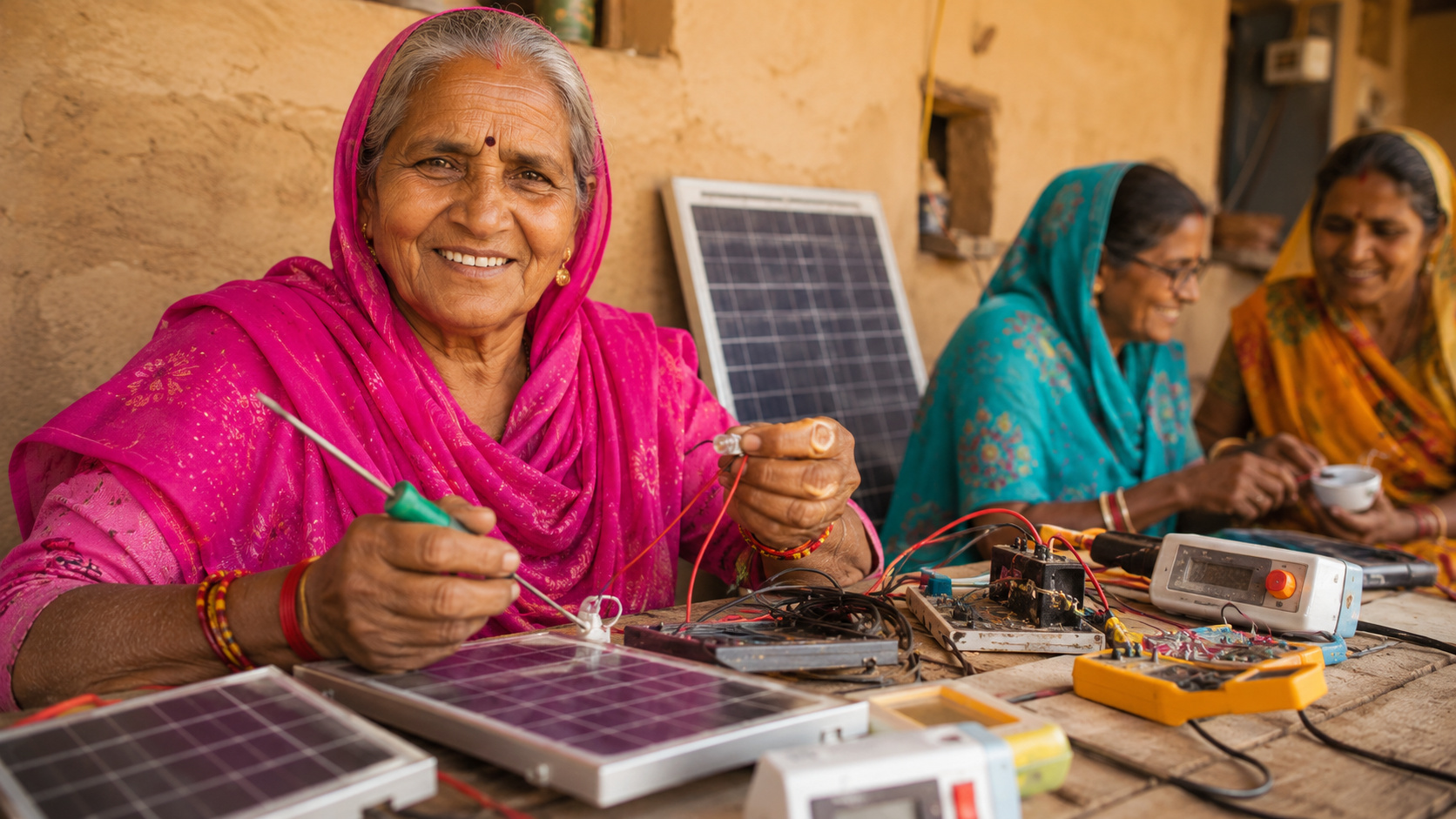
Illiterate or semi-literate grandmothers were trained to repair solar systems, open rural workshops, and light up homes that still depended on kerosene.
-
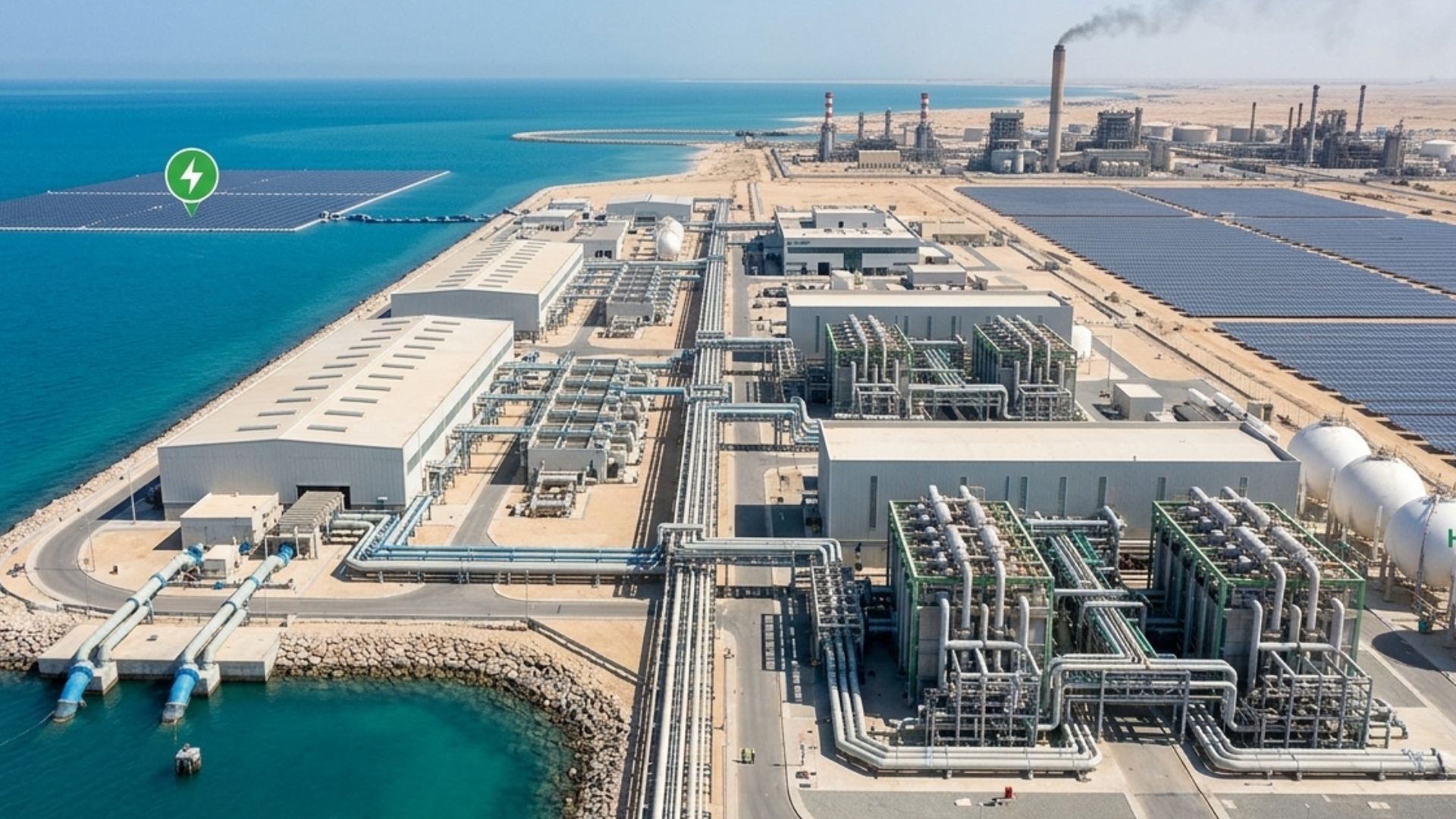
The world has bet on green hydrogen as the fuel of the future, but now faces the side effect: producing 1 kilogram requires about 9 liters of ultrapure water, and the largest projects on the planet are precisely in the driest regions of the Earth, where water is already scarce for people.



“A truly innovative approach to addressing a problem… while providing and ensuring energy security,” Scully stated.
How Compressed Air Energy Storage Technology Works
The CAES system is a sophisticated energy storage process. During periods of excess electricity, the system uses that surplus to compress air, generating heat as a byproduct. This heat is stored in a thermal system to be used later.
Pressurized air is then injected into a specially built underground cavern filled with water. The water is displaced upward towards a reservoir on the surface, maintaining the balance of the system.
When the demand for electricity increases, the stored air is released and reheated with the previously captured heat. As it expands through turbines, this air generates energy that is directed to the grid.
This combination of storage and energy generation provides an effective solution to ensure supply during peak periods without relying on renewable or unstable sources.
Contribution to the Electric Grid and Sustainability
The Silver City Energy Storage Centre is expected to significantly enhance the reliability of New South Wales’ power grid.
Additionally, it directly supports Australia’s transition to renewable energy sources. Hydrostor plans to begin construction later this year, with an expected completion in three to four years.
During the construction phase, the project is expected to generate between 250 and 400 jobs annually. This economic boost brings new prospects for Broken Hill, which has faced population decline for decades.
Economic Impact and Reversing Population Decline
The mayor of Broken Hill, Tom Kennedy, highlighted the positive impact of the initiative. “This is an exciting day for Broken Hill. It will inject significant income into the city while fostering population growth,” Kennedy stated.
Broken Hill, which once had 35,000 inhabitants during the mining boom in the 1960s, saw its population drop to 17,588 in 2021. Kennedy believes that the energy project will help reverse this trend.
“With an influx of new workers and three years of 250 to 400 people employed, we are creating the necessary conditions for launching additional mining projects,” he said. “Ideally, this will push our population well beyond 20,000 in the coming years.”
Upon completion, the Silver City Energy Storage Centre will offer 26 permanent operational positions. Hydrostor has secured a 65-year lease for the use of Crown land at the project site.
With information from Interesting Engineering.






Be the first to react!