






 Portuguese
  Spanish
  3 min of reading
  0 comments


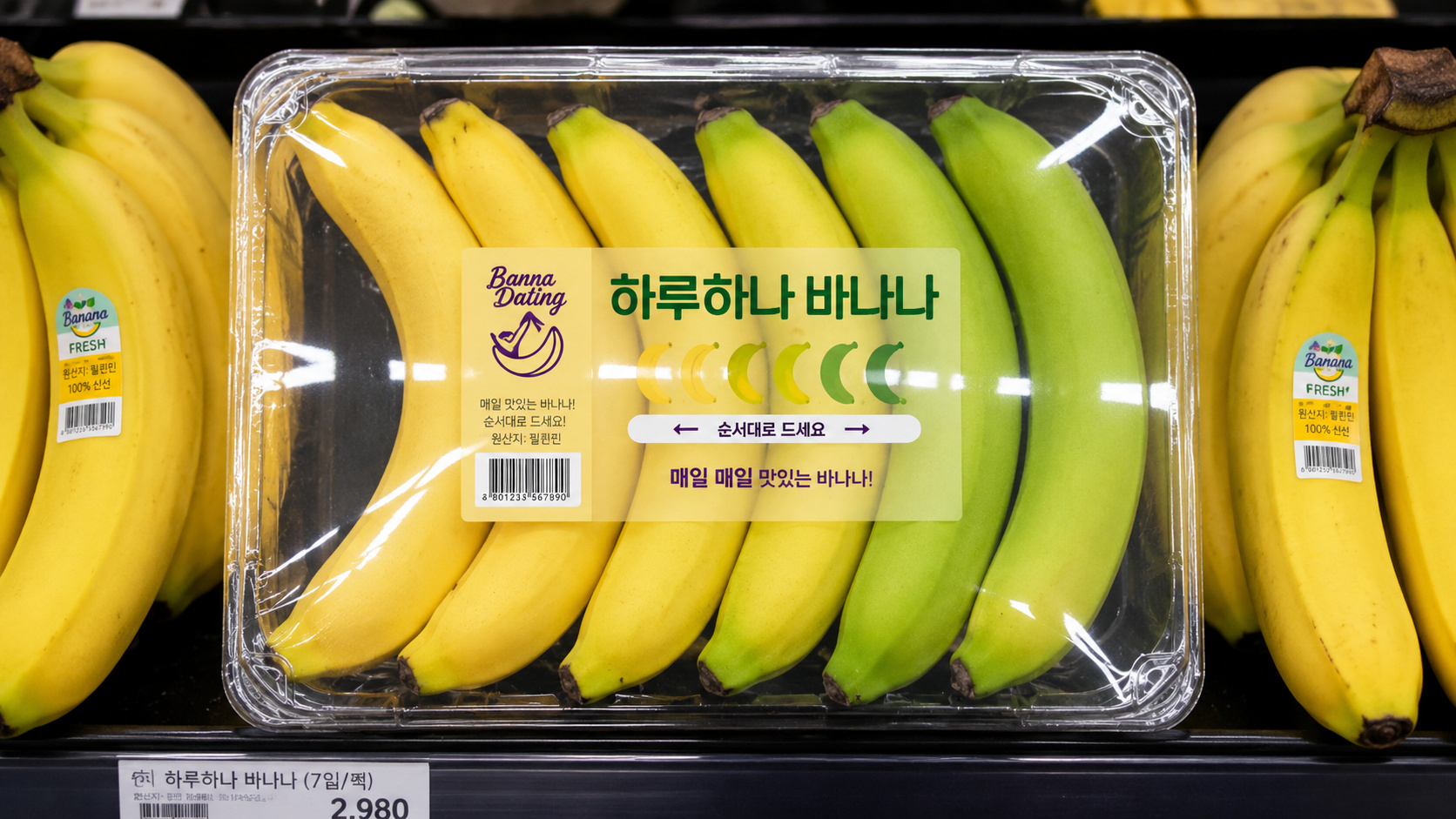
The new way of selling bananas organizes ripening throughout the week, prevents losses, and draws attention for its practicality in the domestic routine
A simple and curious idea recently gained prominence in South Korea, attracting attention on social media and transforming a common fruit into an organized consumption trend.
South Korean markets have started selling trays with seven bananas at different stages of ripeness, creating a kind of food schedule designed to last the consumer’s entire week.
The proposal organizes the ripening of the fruits gradually and, therefore, prevents them all from reaching their ideal point at the same time, a situation that usually accelerates losses at home.
-
Brazil to Allocate 3% of Affordable Housing Program in 38 Cities for Homeless, Paving Way for First Property Transfers to Formerly Unhoused Residents

-
Man Builds Handcrafted Wooden Cabin in Canadian Forest Using Only Trees and No Construction Crew

-
Maria Marli, a 15-Year Veteran Bricklayer, Helps Build Bahia’s Tallest Building and Realizes Her Own Dreams
-
Mayan Dogs Traveled Between Cities, Accompanied Leaders, and Were Used in Sacrifices: New Discoveries Uncover Complex Relationships




This model also drew attention because it helps consumers who usually buy whole bunches and end up seeing some of the bananas darken quickly before consumption.


Simple change reorganizes fruit consumption
The tray brings together green, yellow, and riper bananas, forming a sequence designed to distribute consumption throughout the days of the week.
As the banana is considered a climacteric fruit, it continues to ripen even after harvesting due to the natural release of ethylene, a gas responsible for accelerating this process.
Depending on the ambient temperature, the fruit can take between four and seven days to go from green to its ideal consumption point, ripening quickly thereafter.
By organizing bananas in different stages within the same package, markets spread out the ripening time and reduce the possibility of domestic waste.
Organized aesthetics help product go viral
South Korean creativity quickly gained traction online and turned the tray into a frequent topic on social media.
Videos showing the gradual color sequence of the bananas began to accumulate thousands of views, mainly due to the visual organization considered practical and unique.
Comments published on digital platforms describe the idea as “strategic fruit planning” and highlight that someone finally thought of a simple solution to avoid common routine waste.
In addition to functionality, aesthetics also helped the trend’s reach, as the trays form a natural gradient ranging from intense green to stronger yellow.
Combating waste gains prominence
More than a curious trend, the proposal also draws attention for its focus on reducing food waste within households.
By encouraging planned consumption, markets reduce the chance of fruits being forgotten in the fruit bowl until they spoil completely.
This model also aligns with habits associated with sustainability, a characteristic frequently related to practices of reuse and organic waste separation in South Korea.
The organization of bananas transforms an everyday purchase into a small domestic plan, something that blends practicality, conscious consumption, and better food utilization.

Food planning transforms common product
The chronological tray shows how simple changes can reorganize consumption habits without relying on complex technological solutions or sophisticated products.
In this case, innovation appears precisely in how an extremely common food comes to be distributed and consumed within the weekly routine.
Meanwhile, the internet remains enchanted with the most strategic fruit of the moment, reinforcing how basic ideas can still generate impact when combining organization, aesthetics, and functionality.
Could other foods also gain planned formats to reduce waste and facilitate domestic organization?







Be the first to react!