






 Portuguese
  Spanish


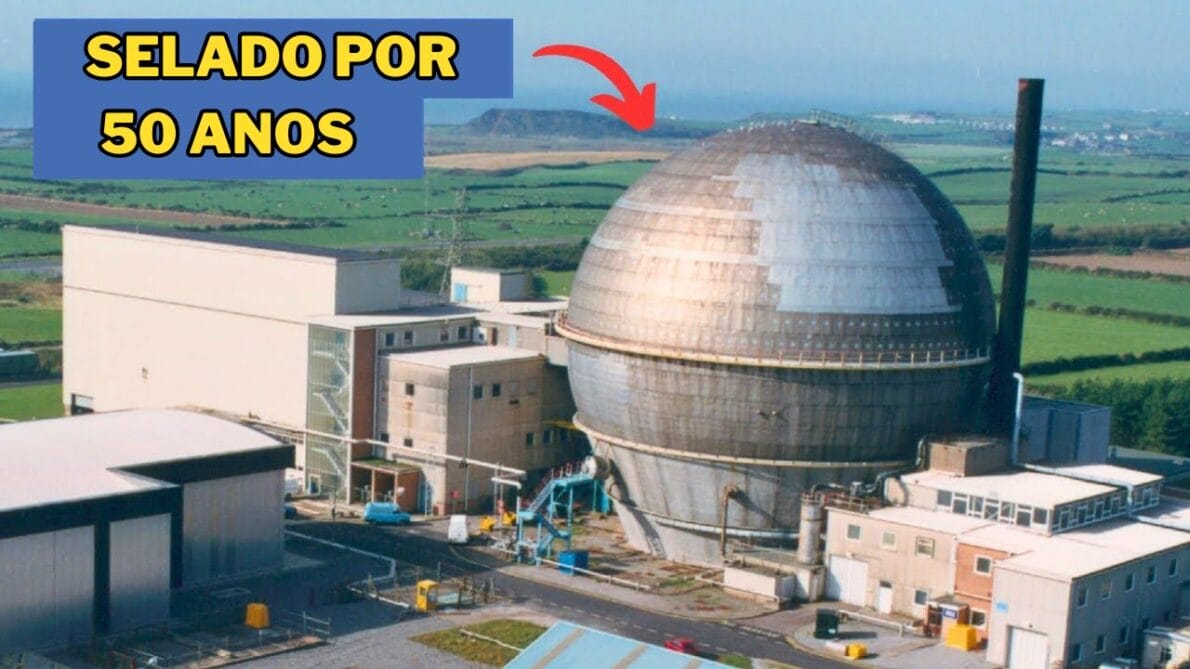

Great Britain Faces a Monumental Challenge: Cleaning Up the Sellafield Nuclear Plant, Located in Northern England and Considered One of the Most Dangerous in the World. This Project Will Cost About US$ 70 Billion.
Introduction The Sellafield nuclear plant, built in the 1940s to develop nuclear weapons, accumulates tons of toxic waste. Great Britain is now committed to the arduous task of removing this nuclear waste and transporting it to a safer location. This monumental effort aims to protect future generations from a dangerous legacy.
Development In 1947, Great Britain built the Sellafield nuclear plant with the goal of producing plutonium for atomic bombs. Over time, nuclear waste was stored in a building called the Pile Fuel Cladding Silo (PFCS), inspired by American grain silos. This building, now full of toxic waste, poses a great risk to public safety.
The Nuclear Plant Has Faced Several Challenges Over the Years
In 1957, a fire in one of the nuclear reactors resulted in one of the worst nuclear disasters in history, causing about 240 cancer deaths in the surrounding area. After the plant closed in 2003, the focus shifted to the storage and decommissioning of nuclear waste.
-
They exchanged the idea of a large house for a 35 m² warehouse, spent US$ 12,000 on the structure, and created a tiny house in Colorado with space to live and work.

-
A newly opened terminal in the middle of the Amazon has begun transporting soy and corn through Amapá, eyeing the queue of ships that is congesting the ports in the South.

-
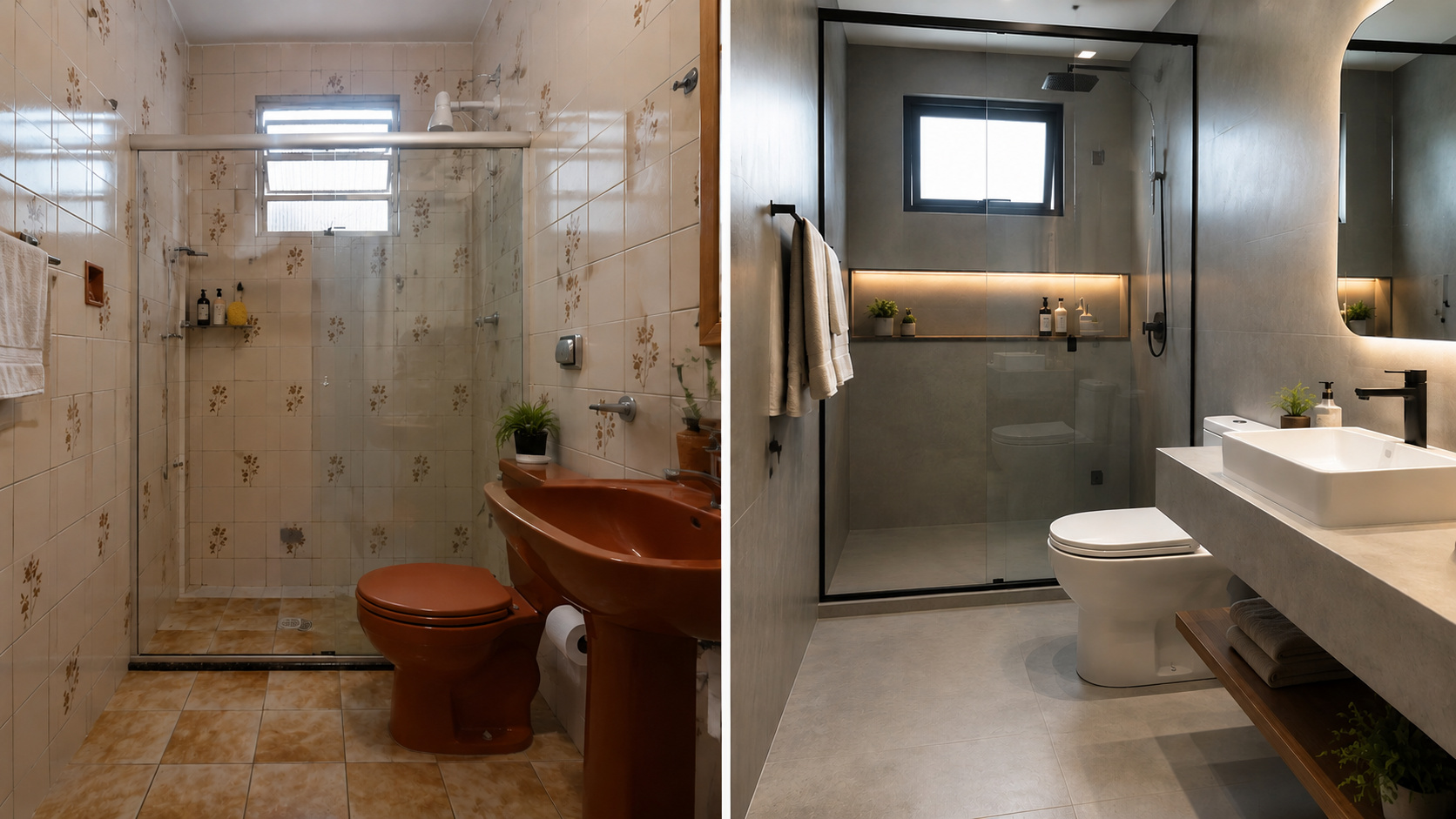
Goodbye to old tiles: renovation technique without construction transforms bathrooms in a few hours, eliminates debris, and reduces costs with coverings using special paints, high-resistance adhesives, and modern finishes that completely renew the space.
-
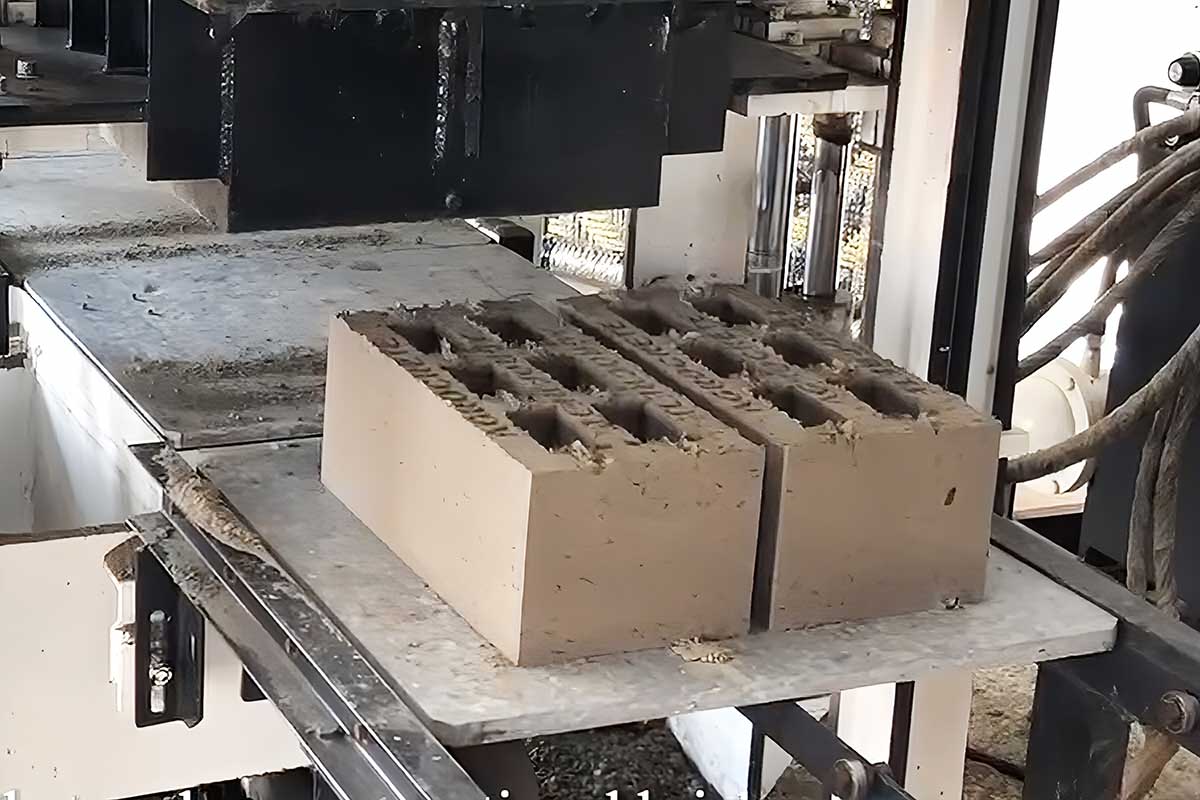
Goodbye to the traditional clay brick: Indian startup transforms burnt straw into a carbon-negative brick that costs half, insulates better, and even removes CO2 from the air.


Cleaning the PFCS is one of the most complex and expensive projects ever undertaken. To prevent fires, the nuclear plant was equipped with argon gas, which prevents combustion. In 2017, work began on removing nuclear waste, creating six openings in the silo to access the compartments filled with waste.
Waste Is Removed Using a Huge Robotic Claw, Similar to a Toy for Picking Up Stuffed Animals
But on a much larger scale and with far more serious safety concerns. The waste is placed in stainless steel boxes, which are then transported to a suitable storage location.
Challenges and Costs The cleanup process is slow and expensive. Each stainless steel box holds about 3,000 liters of waste, while the silo contains over 3 million liters. Compared to emptying a trash can with a teaspoon, this project will take decades to complete. It is estimated that the complete decommissioning of Sellafield and other British nuclear plants will cost about US$ 138 billion and should only be completed around 2150.
Conclusion Great Britain is Facing a Monumental Task to Clean Up the Sellafield Nuclear Plant, Protecting Future Generations from the Dangers of Nuclear Waste. This project, although costly and time-consuming, is essential to ensure a safer world. And what do you think about this nuclear cleanup project? Share your opinion in the comments.


