






 Portuguese
  Spanish


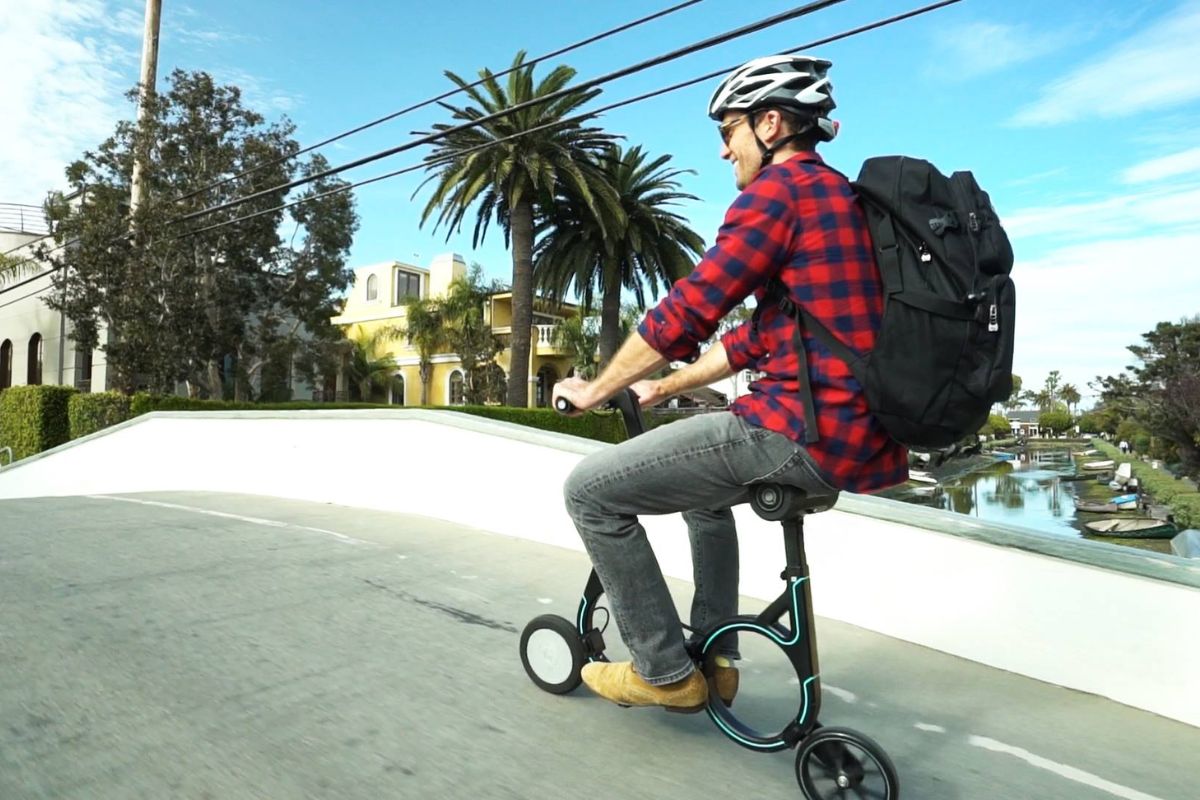

Have You Ever Thought About Biking While Charging Your Phone? This Folding Bike Does That — And It Fits Anywhere.
In an increasingly urban, connected, and sustainable world, one innovation stands out for its simplicity and brilliance: a foldable electric bike that fits in a backpack and also serves as a portable charger for your phone. Sounds like science fiction? Well, this idea is already a reality — and it is taking cities around the world by storm.
Reinvented Personal Mobility
The search for alternative transportation solutions has exploded in recent years. The rise in fuel prices, chaotic traffic in large cities, and growing environmental concerns have created the perfect scenario for the emergence of ultra-compact, sustainable, and multifunctional personal vehicles. In this context, the star of the moment emerges: the portable foldable electric bike.
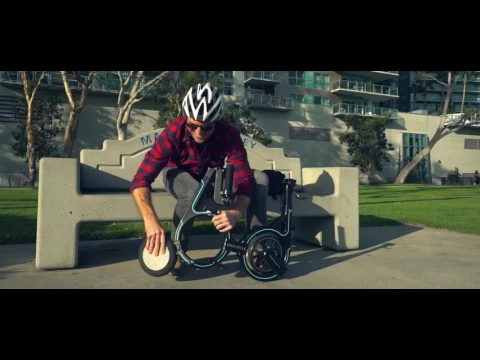
Models like the A-Bike Electric and the Smacircle S1 are impressive examples of this revolution. The Smacircle, for instance, became a phenomenon on Kickstarter and Indiegogo for presenting a foldable electric bike that weighs just 7 kilograms, can be folded in seconds, and carried inside a backpack.
-
400 km² of Greenhouses in Almería, Spain, Astonish American Visitor by Producing Millions of Tons of Produce for Cold-Weather Markets

-
Antarctic Volcano Emits Microscopic Gold Particles That Travel Up to 1,000 Kilometers Across the Continent
-
Little-known Japanese factory is the world’s largest zipper manufacturer, producing 7 billion pieces annually and closing half the world’s pants.

-
Brazilian Factory Recycles One-Third of the Country’s Styrofoam Waste, Matching European Levels with 51,000 Tons Reused Since 2007


What Does It Offer?
In addition to its compact size, the model stands out for incorporating smart technology. Among its main features:
- Electric motor with a top speed of 20 km/h
- Range of 15 to 25 km per charge
- Rechargeable battery in up to 3 hours
- USB port to charge smartphones or other devices
- Ultra-light carbon fiber frame
- Digital display with speedometer, battery level, and LED lights
These bikes do not replace traditional transportation for long distances, but they are perfect for “last mile” commuting: between the subway station and work, for example, or for short trips within neighborhoods and urban centers.
The Future of Mobility Fits in a Backpack
The Smacircle S1, when folded, fits in a medium-sized backpack and weighs about 7 kg — less than many conventional bicycles. Made of carbon fiber, it is light, durable, and ideal for urban transport.
The proposal is clear: to replace scooters, cars, and even public transport for short journeys, with equipment that fits under an office desk, in the gym locker, or in the trunk of any car.
Technology That Connects — Literally
The most unexpected — and possibly the smartest — feature is the built-in USB charger. While you pedal (or during battery charging), the system can charge your phone, smartwatch, or any USB-compatible device. For many, this feature may seem like a detail, but in a fast-paced urban routine, it is a real game-changer.
Connectivity goes beyond that: some models also have integrated apps via Bluetooth, with remote control of the electric lock, GPS location, and real-time performance monitoring of the bike.
And in Brazil?
For now, Smacircle and other similar brands do not have official distribution in Brazil. However, several models are available for import through sites like AliExpress, Banggood, and Amazon, with prices ranging from R$ 4,000 to R$ 8,000, depending on accessories and exchange rates.
Despite the high prices for Brazilian standards, experts believe that this trend will consolidate in the coming years, especially if the government encourages sustainable modalities with tax exemptions or public policies to promote electric mobility.
What Do Experts Say?
According to urban mobility engineer Rodrigo Penteado from USP,
“These solutions combine innovation, sustainability, and practicality. In countries with high urban density, like Brazil, they can be a game-changer for short-distance personal transportation.”





Aguenta quantos kg
100kg