Portuguese
  Spanish


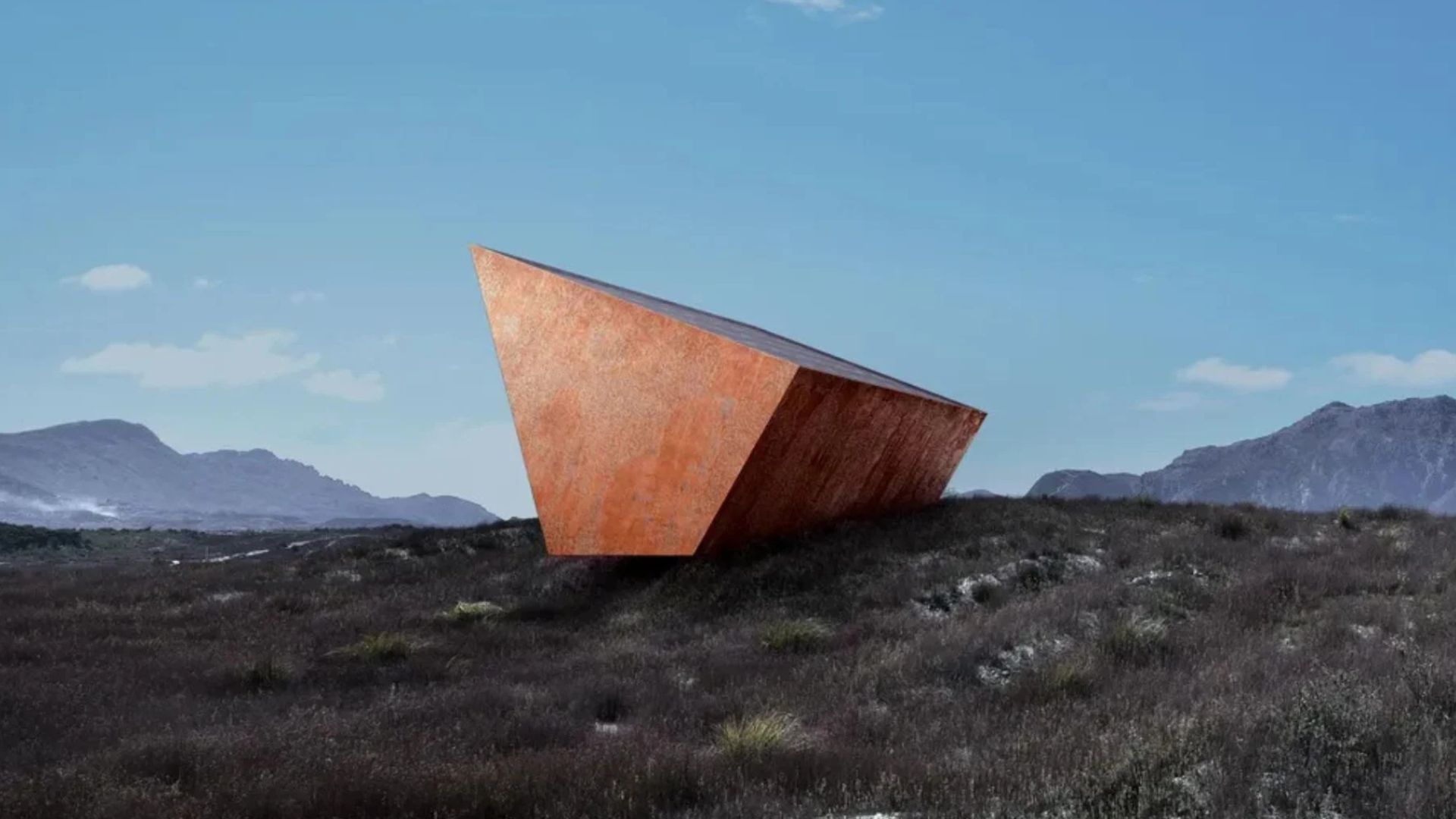

The Earth’s Black Box was created by the Australian organization Rouser Lab and is expected to be installed by December 2026, powered by solar energy. The group defines itself as an environmental communication agency, not a scientific institution, which raises doubts about the reach of the black box.
A giant black box made of steel and concrete, about 16 meters long, is being installed in a remote part of Tasmania to record in real-time humanity’s response to the climate crisis. The project, named Earth’s Black Box, was revealed in a report by The Guardian and aims to gather environmental data from space and meteorological agencies worldwide.
The idea originated from a non-profit organization and has a set deadline to come to fruition. Launched in 2021 by the Australian Rouser Lab, the Earth’s Black Box aims to create a permanent archive that documents, for future generations, how humanity reacted to the climate crisis. The structure, designed to survive disasters and powered by solar panels, is expected to be installed by December 2026. Nevertheless, the group itself defines as an environmental communication agency rather than a scientific institution, which raises doubts about the real impact of the archive.
A structure designed to withstand disasters
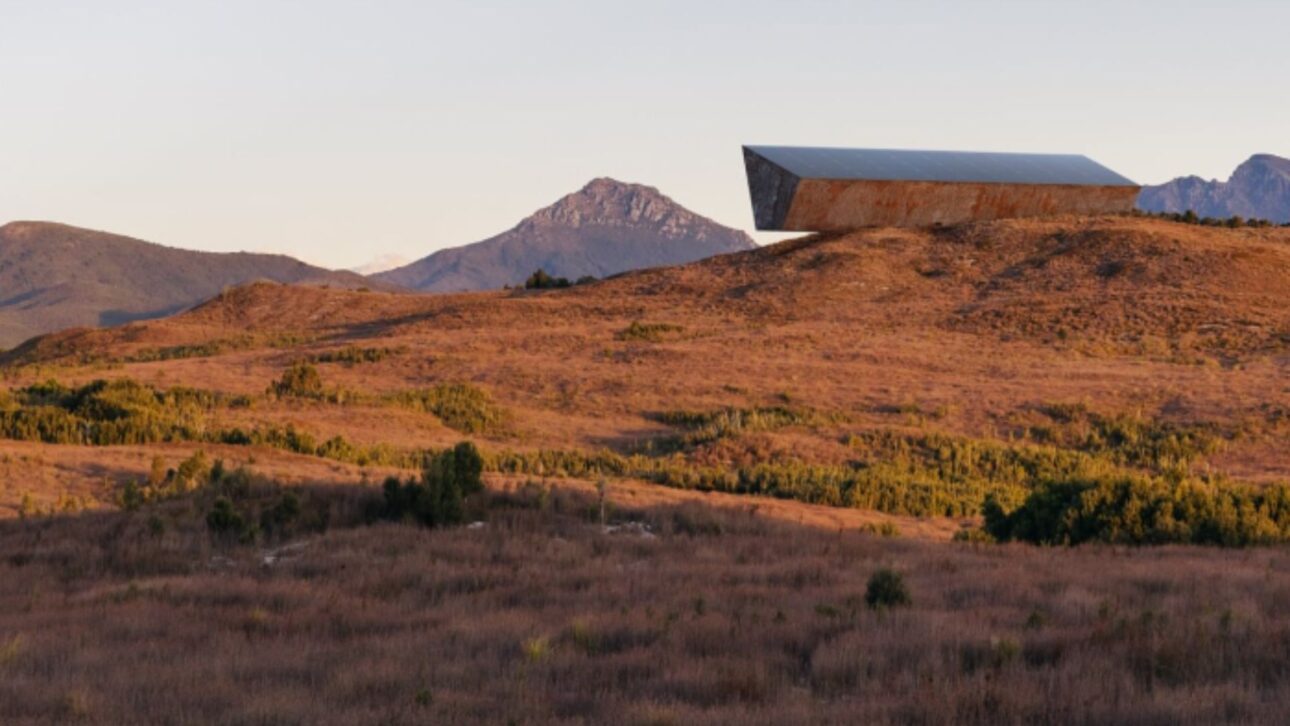
The most immediate comparison is with the recorders used in aviation, but on another scale. The black box is often remembered as a giant version of airplane black boxes, only much larger: it will be about 16 meters long and 4 meters high, made of reinforced steel and concrete.
-
She spent 73 years breathing inside an iron lung, survived the aftereffects of polio, and became the last woman in the United States dependent on the equipment before dying at 78 years old.

-
Brazilian students created a $1 filter using pine bark, cotton, and 3D-printed parts to clean cassava wastewater, reduce the toxicity of a hazardous waste, and transform contaminated water into biofertilizer.

-
Astronaut from Artemis II steps down after mission to the Moon and decision surprises after a record of 406,771 km, a historic 10-day journey, and an unprecedented achievement for Canada.

-
A fossil kept for years in a small museum in Montreal concealed 450-million-year-old soft tissue, a discovery that has only happened once before in history.


Resistance is the central point of the project. According to Rouser Lab, the structure is being built to withstand extreme conditions and survive major disasters that may affect modern society, with the project’s website listing threats such as cyclones, earthquakes, fires, floods, and even attacks. The remote location in Tasmania was chosen partly because the island is relatively stable, both geologically and politically.
Solar Energy and Self-Sufficient Operation
To operate without relying on the power grid, the black box will have its own power source. The installation will feature a solar power system on the roof, consisting of 36 solar panels covered with tempered glass, which will provide electricity for the internal storage systems.
This design allows the structure to function independently and without interruptions. Installed near a remote airfield in Tasmania, the Earth’s Black Box is designed to operate self-sufficiently for long periods. The choice of solar energy reinforces the idea of an archive capable of remaining active on its own, even in an isolated location far from major centers.
A Continuous Flow of Environmental Data
The heart of the project is the information that the structure will store. The black box is expected to collect large volumes of data from organizations worldwide, including space agencies, meteorological agencies, and universities that monitor environmental conditions and climate trends.
These records will feed a constantly growing database. The information will be sent to the system via the internet and added to what the project calls the Vital Index, a set of measurements, databases, and records that track the planet’s condition over time. The organizers describe the archive not as a static collection, but as a living record, continuously updated to build a timeline of environmental changes and how people respond to them.
The Purpose: A Record for Future Generations
Behind the engineering, the black box carries a dramatic purpose. According to the project, the device aims to provide an impartial account of the events that led to the planet’s destruction, hold future generations accountable, and inspire urgent action in the face of the climate crisis.
It is this framework that gives the structure its doomsday aura. The narrative treats the climate crisis as a story whose outcome is still being written and depends on the choices made now. On the project’s website, the message is direct:
“The outcome of this story depends entirely on us.”
Five years of silence and doubts about the impact
The long development period generated distrust. Since it was announced in 2021, the black box has undergone almost five years of discreet work, with few public updates, leading some people to question whether it was just a symbolic gesture to draw attention to climate issues.
The responsible parties claim that the silence did not mean inactivity. Jonathan Kneebone, the artistic director of the group, told The Guardian that a lot of work was being done behind the scenes, from improving the design and data storage systems to developing funding models to sustain the project.
Even so, the Rouser Lab does not present itself as a scientific institution, but as an experimental environmental communication agency, and it remains open whether the archive will become a relevant research tool, given the many open climate databases that already exist.
The organization is also developing a separate idea, called Climate SOS, which would include a 50-meter-tall technological obelisk with a radio telescope designed to send a distress signal into space.
Designed to withstand disasters and powered by solar panels, the Earth’s Black Box is expected to be installed in a remote location in Tasmania by December 2026, gathering data from space agencies, meteorological agencies, and universities worldwide to leave a record of humanity’s response to the climate crisis for future generations, according to The Guardian.
Since it is a project of a communication agency, and not a scientific institution, doubts persist about the usefulness of the archive for research, given the open climate databases that already exist.
Even so, supporters bet that a large and visible structure like this black box can bring public attention back to climate change and the long-term weight of today’s environmental choices.
And you, what do you think of the Earth’s Black Box? Do you believe it will be a real legacy for future generations or more of a symbolic gesture than a scientific one? Share your opinion and exchange ideas with other readers about climate and the environment, with respect for different opinions.