Portuguese
  Spanish




Bruno lives in Itsu, a small town in the interior of Japan surrounded by rice fields. He tested Uber Eats by motorcycle for three hours, received 2,437 yen, and practically concluded what every Brazilian delivering in Japan needs to know before turning on the app outside the capital.
Bruno opened the app at 10:44 in the morning. The map showed the center of Itsu without any red points, those markings that indicate high demand. Light yellow here and there. The Brazilian moved around the city trying to find a busier area. Nothing called. To pass the time while waiting, he went to the place where he usually fishes. He was watching the fish when the first order appeared.
The detail that sums up the day: a Brazilian used to the pace of Nagoya, where orders come nonstop, stood still on a pier looking at the sea waiting for the app to react. Itsu is a small town, surrounded by rice fields, with an old historic center and temples ringing bells at noon. Charming to live. Complicated to deliver.
First order: 420 yen, 5 km, and the restaurant that no one found at first
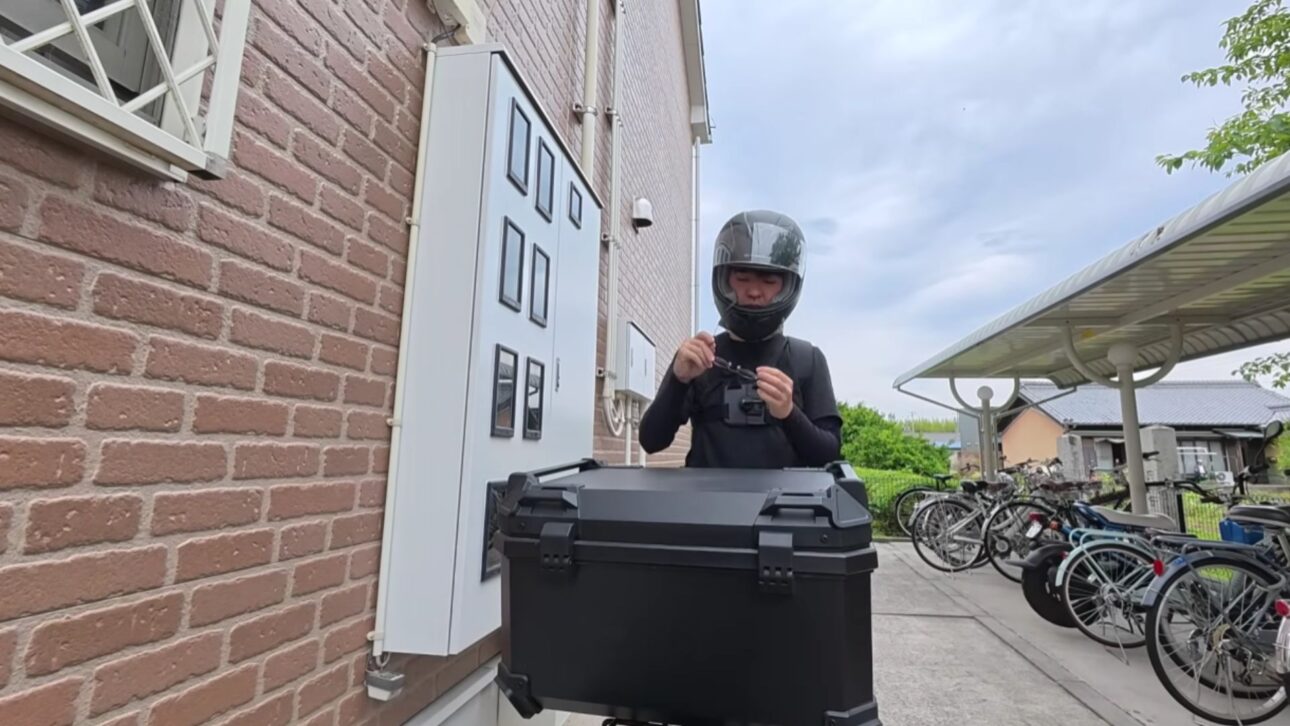
Bruno accepted without hesitation because the alternative was to remain still. Arriving at the pickup restaurant, the immediate problem was finding where the establishment was: the name on the app and the name on the facade didn’t match. After searching, he found it. The employee handed over the order with a clear doubt on his face, asking if it was Bruno’s first time on that route. It was.
-
Structural Report Reveals Serious Issues at Historic Corinthians Stadium, Engineer Recommends Partial Demolition

-
For a Decade, a Young Sudanese Innovator Builds Robots from Electronic Scrap in a Makeshift Lab in Omdurman

-
Woman with no tech background uses AI to develop app, reaches 50,000 users and goes viral with 2 million views by turning conversations into an emotional support tool.
-
From Construction Helper at 12 to Leading Real Estate Ventures Worth $210 Million After Delivering Over 2,000 Homes


The delivery was completed, the 420 yen was credited to the account, and Bruno returned to circulate around the city in search of the next red point on the map. The next sequence was an order of 900 yen for two simultaneous deliveries at different restaurants, which seemed reasonable until he realized how much he would have to travel to complete everything. He accepted it anyway. When it doesn’t call, the Brazilian accepts whatever comes.
The GPS sending the Brazilian Bruno to the highway and the delivery that took almost an hour
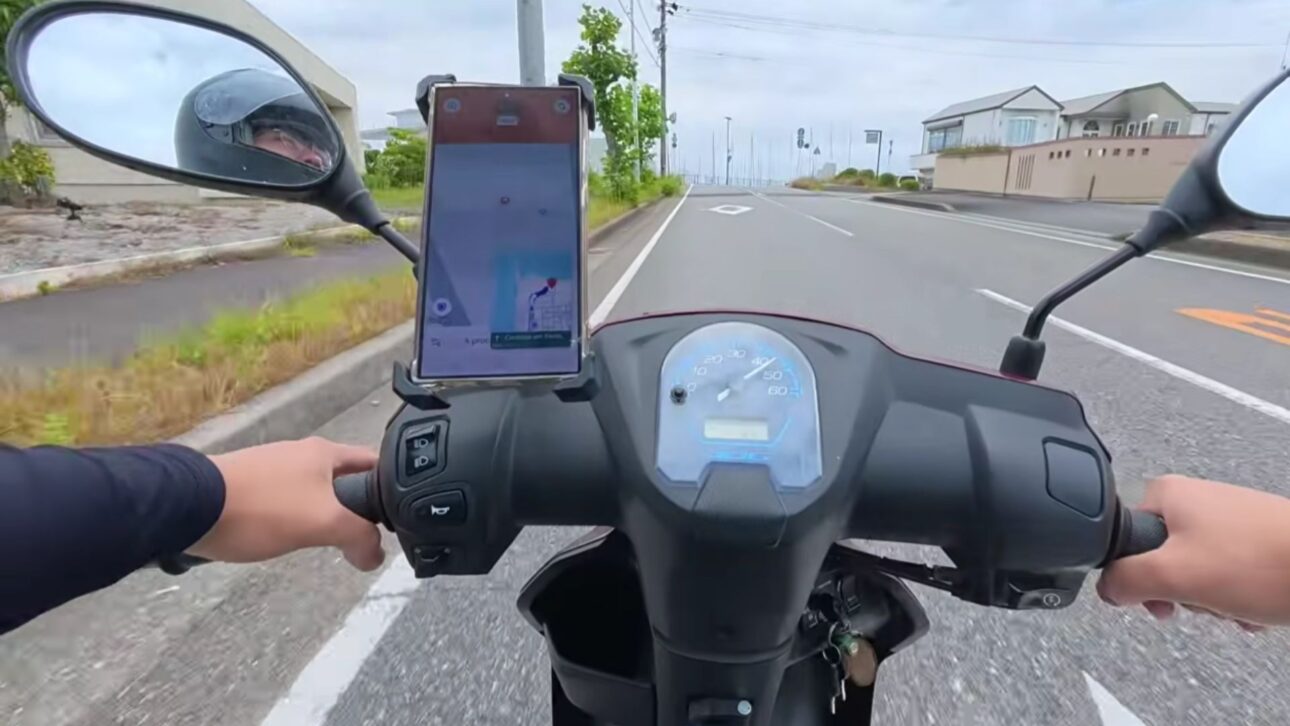
The app’s GPS kept insisting on sending Bruno through a highway where motorcycles are not allowed. He diverted, the map redirected to the same place. He repeated the cycle several times, delayed five minutes, and reached the destination imagining the customer already irritated on the other side of the door. He took the elevator, delivered to apartment 403, and finished the run feeling like he had run too much to earn too little.
At the end of this order, it was already over an hour since he had left to pick up the item. The total accumulated for the day was still far from any encouraging number. Bruno stopped, ate a bread he had brought because he hadn’t had lunch yet, and considered whether it was worth staying online.
Result: 2,437 yen in 3 hours of work
After three hours driving around Itsu, the total was 2,437 yen. The following Monday, Uber deposited 2,400 yen, the 37 yen difference explained by system rounding. With this amount in hand, Bruno went straight to McDonald’s with his partner to see what they could buy. They ordered two full combos and the total was 2,250 yen.
The experiment made the accounts clear: three hours of work in the countryside of Japan yielded enough for two fast-food combos. A Big Mac in Itsu costs 770 yen. With the money from the entire day, it would be possible to buy a little more than three. The cup noodles at the market are 126 yen each, which means the 2,400 yen would buy 19 packages. These are the real parameters of the purchasing power generated by an afternoon of Uber Eats in the Japanese countryside.
Countryside of Japan versus capital: the difference the map doesn’t show


Bruno makes it clear in the video that the experience in Nagoya is radically different. In the regional capital, orders come in sequence, the map frequently turns red, and the delivery person rarely stays idle for more than a few minutes. In Itsu, he had long intervals without any calls between each delivery. The explanation is simple: more delivery people than available orders, which allows the app to pay less per kilometer and still have people willing to accept.
Bruno’s partner, who lives in the city and knows the local dynamics better, was direct in her assessment: in the countryside, it might be more worthwhile to look for a side job elsewhere that pays better per hour than waiting for the app to call. Those near Tokyo or Nagoya have a different reality, but for those living in small towns, Uber Eats in Japan is an income supplement that requires patience and calibrated expectations.
What 2,400 yen buy in Japan and what this says about the cost of living
At the market after McDonald’s, Bruno walked through the aisles showing prices to contextualize the day’s earnings. A Wagyu steak, the premium Japanese beef, was 2,000 yen for less than 200 grams. It could be bought with the day’s salary, but little would be left. A 500-gram Milanese sausage was also available, allowing almost 1 kg to be purchased with the total received.
In the 100-yen utility section, Bruno found crafted glass items that would cost much more in Brazil. With the 2,400 yen, it would be possible to buy more than 23 items from this shelf. Japan has this duality: some products are surprisingly cheap, while meat, seafood, and imported items are heavy on anyone’s wallet, including the delivery person who just worked three hours to pay for lunch.
The video is from Bruno’s YouTube channel, a Brazilian living in the interior of Japan, documenting the daily life of those living and working outside Brazil.
Have you ever delivered for an app in Brazil or abroad? Is it more worthwhile in a big city or in the countryside? Share your experience in the comments.