Portuguese
  Spanish


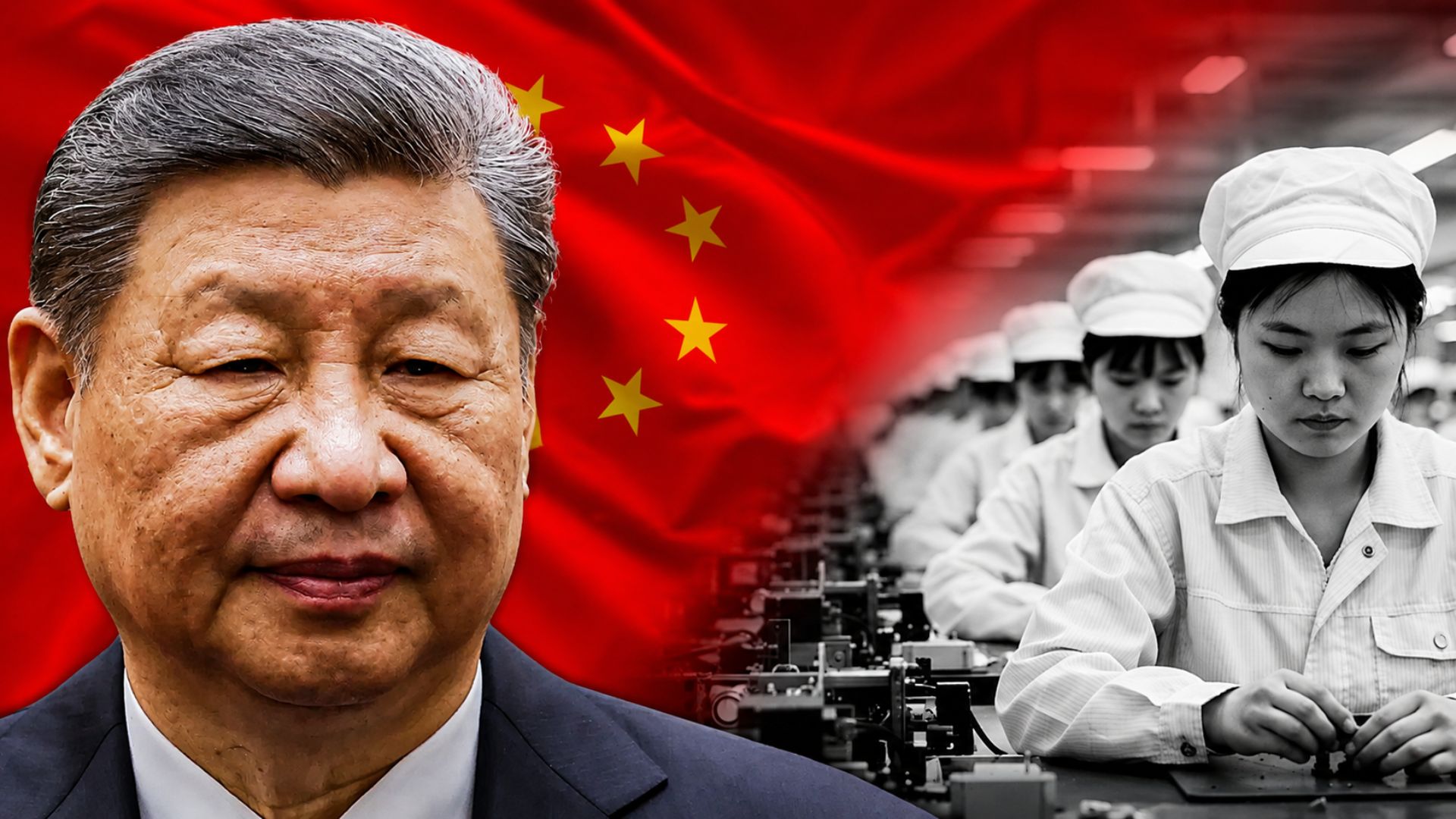

The cities that manufacture the world and that you’ve never seen on the map
When someone buys on Alibaba, they see a supplier in Guangzhou or Shenzhen and think they are buying directly from the factory. Almost always, they are not. They are buying from an intermediary who obtained the product in a hyper-specialized city that the buyer has never heard of, and paying an embedded margin that could be avoided with the right address.
This is the advantage that most importers do not have. And it is exactly what Bertrand, founder of Statrys and with more than two decades operating within China, has systematized on the company’s YouTube channel. China does not win by cheap labor. That was true in 2005. What makes it unbeatable today is something else: the productive concentration in specialized hubs where every stage of the supply chain is 15 minutes away by car.
It’s not the factory. It’s the entire ecosystem
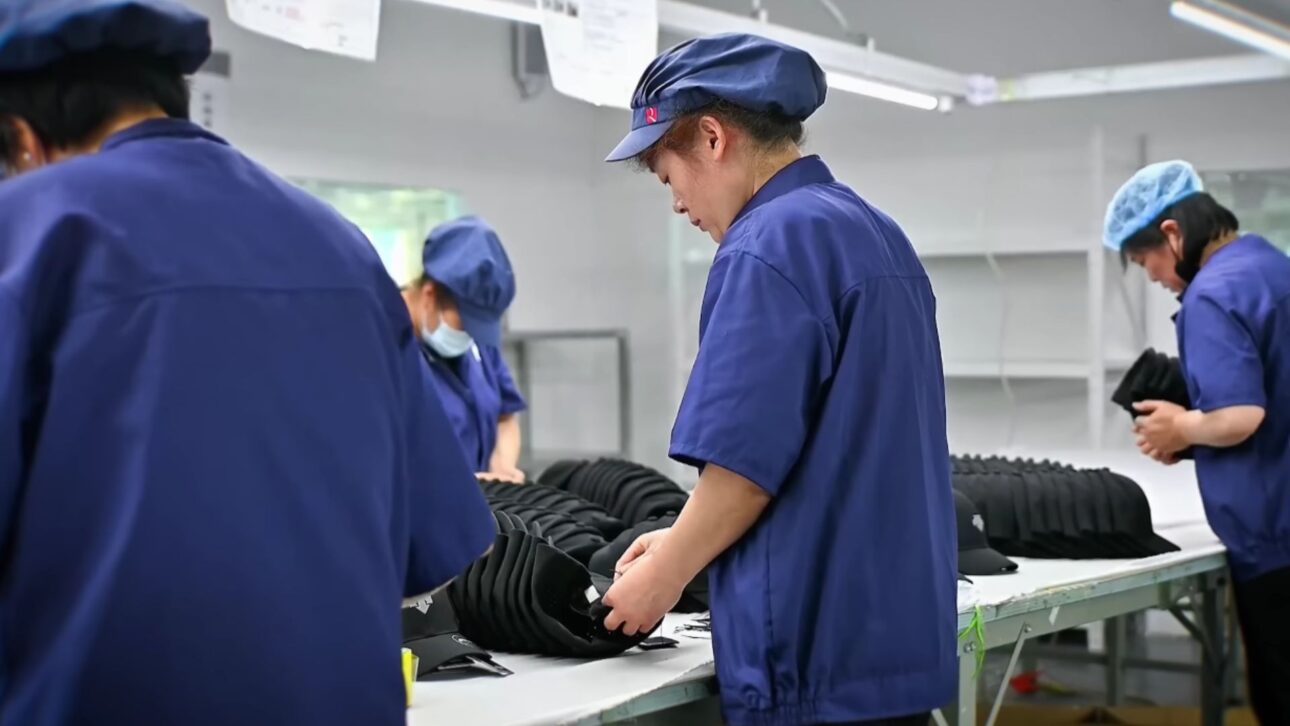
This model requires capital, equipment, and scale. In a Chinese hub, the same process is divided into dozens of small steps, each carried out by different and specialized factories. This completely changes the business economy.
-
Brazil’s BNDES Funded Metro and Steel Plant Projects in Venezuela with Brazilian Support

-
Abandoned Building in Brazil to Become Biotechnology Unit with $10 Million Investment, Bridging Science, Industry, and Public Health
-
Company Offering “Stones to Diamonds” Scheme Sells Ruined Italian Homes to Brazilians for 1 Euro, Disappears with Promised Renovations, Leaving Buyers in Debt to Italian Tax Authorities Until 2028 Without Property

-
Plastic Packaging Drives Santa Catarina Industry to 230% Growth, Aiming for R$ 500 Million by 2030 Amid Sector Crisis, with New Gearless Line Expanding in Southern Brazil to Compete in South America



It means that a person with a machine and a skill is already in the market. The competition among these factories is brutal and constant, which pushes prices down in a way that a single large factory in any other country cannot match. And when all the factories in the same hub buy the same raw material at the same time, the volume crushes the unit cost. In the Pearl River Delta, for example, the costs of electronic components are 30% cheaper than in the rest of China itself.
The cities that manufacture the world and that you have never seen on the map
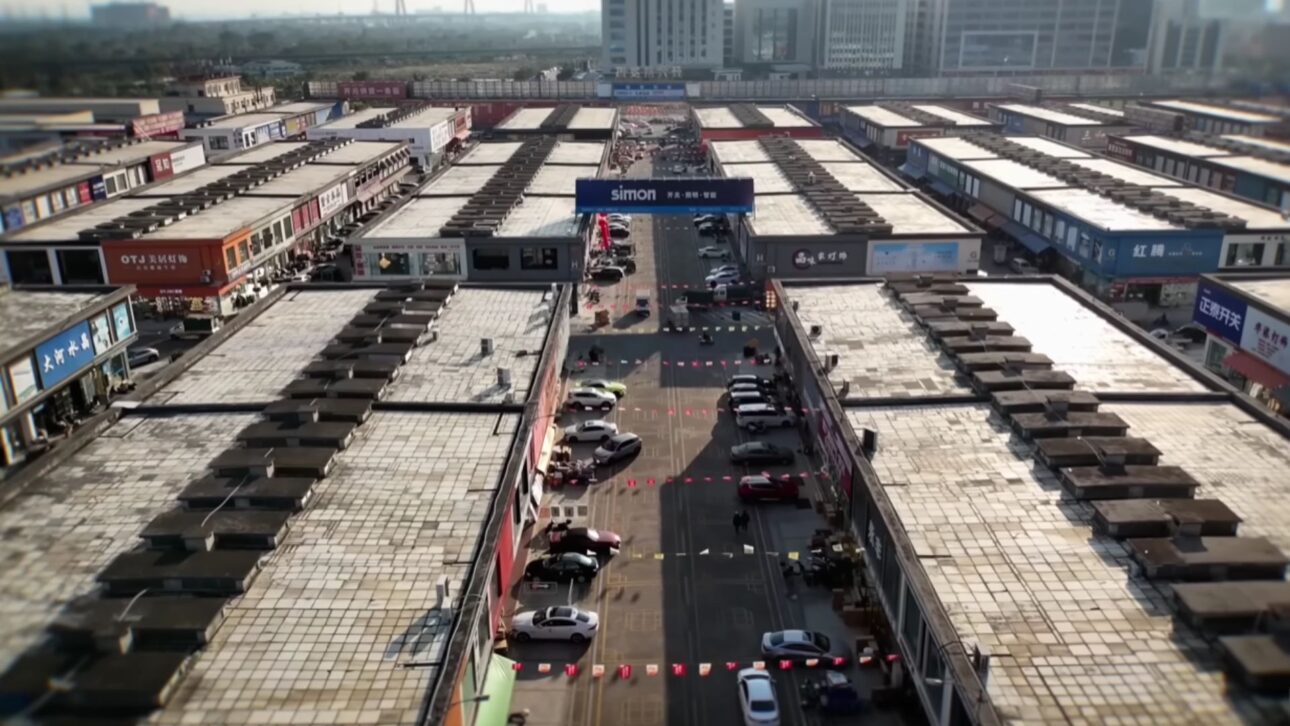
Xiaotou, in Zhejiang, is responsible for 60% of the world’s buttons and 80% of the zippers. Shandong produces 75% of the planet’s lighters. Guzhen, a district of Zhongshan with 50 km² and 45,000 companies, manufactures lighting. Guzhen’s Lighting Street is ten kilometers long. The city of Foshan produces more ceramic tiles than all of Europe combined.
These places did not arise by chance. Local governments chose a sector, built roads and electrical infrastructure around it, and spent decades refining every detail. It’s not just the factory that’s there. It’s the schools that train the workforce for that specific sector, the truck routes built for that product, the suppliers of each input just a few kilometers away. It’s an ecosystem accumulated over 40 years, and ecosystems don’t move.
Shenzhen, Yiwu, and Dongguan: three names that explain industrial China
Shenzhen in 1980 was a fishing village with 300,000 inhabitants. The government designated the city as a special economic zone and 45 years later it has 18 million people and produces more than 90% of the world’s consumer electronics. In the Huaqiangbei district, 38,000 companies sell electronic components. A prototype that takes three months to be manufactured in Europe takes three days in Shenzhen, because every component, tool, and engineer needed is 20 minutes away by taxi.
Yiwu hosts the world’s largest wholesale market: 75,000 stalls spread over 6.4 million square meters, with 1.8 million different products in 26 categories. Every day, about 1,500 cargo containers leave the city. If a product is in a dollar store anywhere in the world, at some point it passed through Yiwu. Meanwhile, Dongguan concentrates more than 100,000 companies in the textile chain, allowing a trend that goes viral on TikTok on a Monday to be listed on Shein as a ready product by Thursday of the same week, while Zara takes three weeks to do the same.
Why Vietnam, India, and Mexico can’t copy


Every time tariffs rise in the United States, the same cycle repeats: consultants publish reports on diversification, companies announce they will move production to Vietnam or India, and the headline suggests that China is losing ground. What the headline doesn’t say is what really moves when a factory changes countries.
Vietnam is the best alternative that has emerged so far. Samsung moved part of its production there, and Nike too. In 2025, Vietnam imported almost $200 billion in goods from China, 60% of which were textiles. In other words, when a textile factory moves to Vietnam, it’s the assembly line that moves. The supply chain that feeds it remains in Guangdong. India has 1.5 billion inhabitants and pays a third of China’s wages. In theory, it should be capturing the market. In practice, it produces less than 3% of the world’s manufactured goods. China produces 35%. The difference is not in wages. It’s in 40 years of infrastructure, logistics, and expertise that cannot be transferred by decree.
How to find the hub that manufactures your product
Knowing the existence of these hubs is just the first step. The second is knowing how to identify which city manufactures the specific product you want to import. Bertrand presents three practical paths. The first is 1688.com, Alibaba’s domestic platform, in Chinese, with the real prices that Chinese companies pay each other, usually 20% to 40% below what appears on the international Alibaba. When two hundred suppliers appear in the same district, you’ve found the hub.
The second path is to search for the product name in Chinese on Baidu accompanied by the term “industrial belt,” which returns government directories and sector reports indicating exactly which city specializes in what. The third is the simplest: call the current supplier and ask where the factory is, not the sales office, the factory. Most will tell you. With the name of the city, a simple search reveals another fifty factories producing the same thing on the same street. That’s the hub. And that’s the advantage of knowing where to look.
The content is from the Statrys channel on YouTube, presented by Bertrand, founder of the company with over 20 years operating in and out of China.
Have you ever imported something from China or know someone who went directly to the production hub instead of going through Alibaba? Share your experience in the comments.