






 Portuguese
  Spanish
  4 min of reading
  0 comments


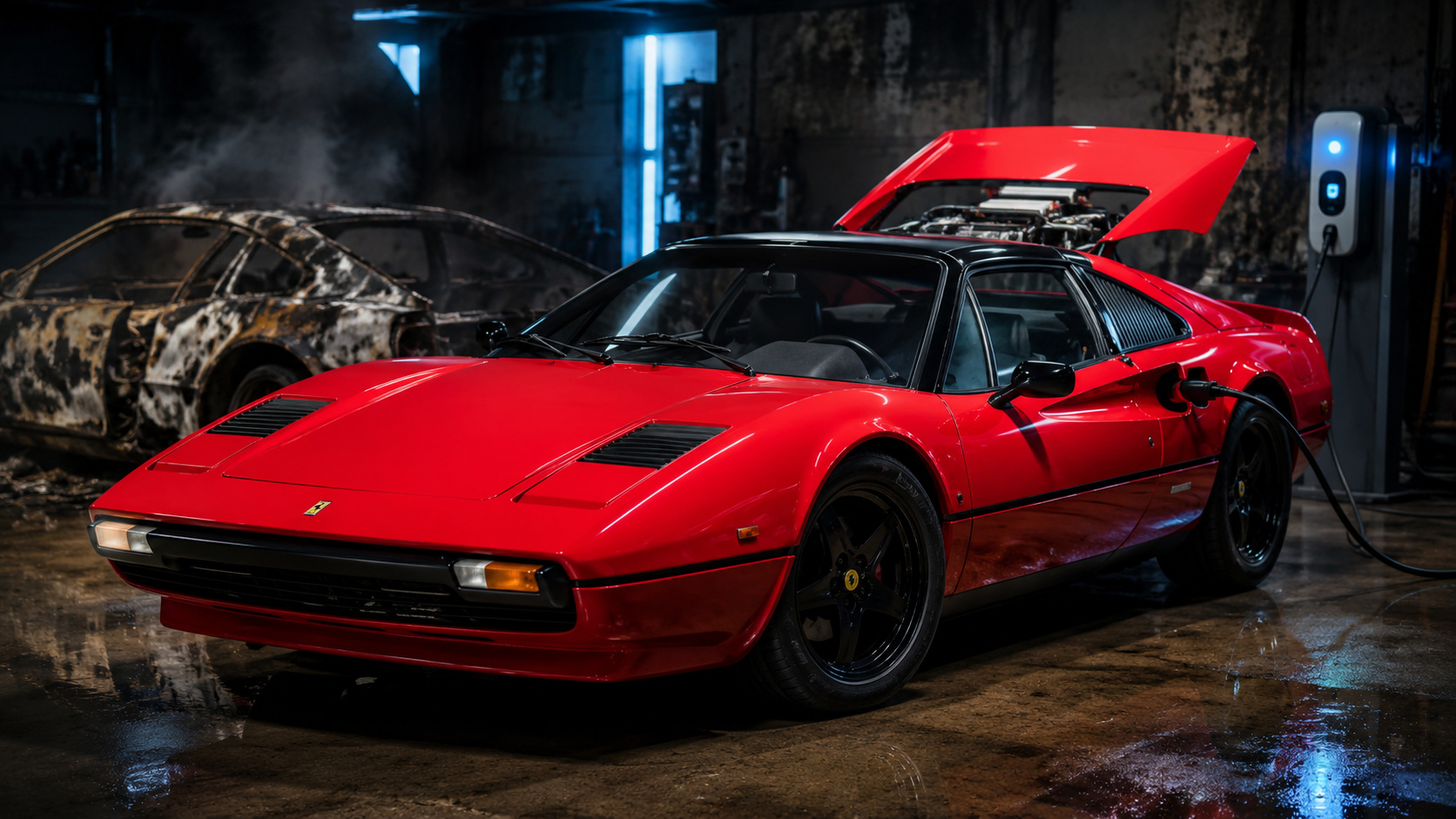
The electric conversion of the 1978 Ferrari 308 GTS showed how a burned sports car could gain new life with three electric motors, a 47 kWh battery, a range of 135 miles, and performance capable of reigniting the debate between purists and those who advocate for the reuse of classic cars
A burned Ferrari seemed destined for the scrapyard until it became the 308 GTE, an electric conversion made from a 1978 Ferrari 308 GTS damaged by fire. The information was released by Electric GT, a company specializing in automotive electric conversion.
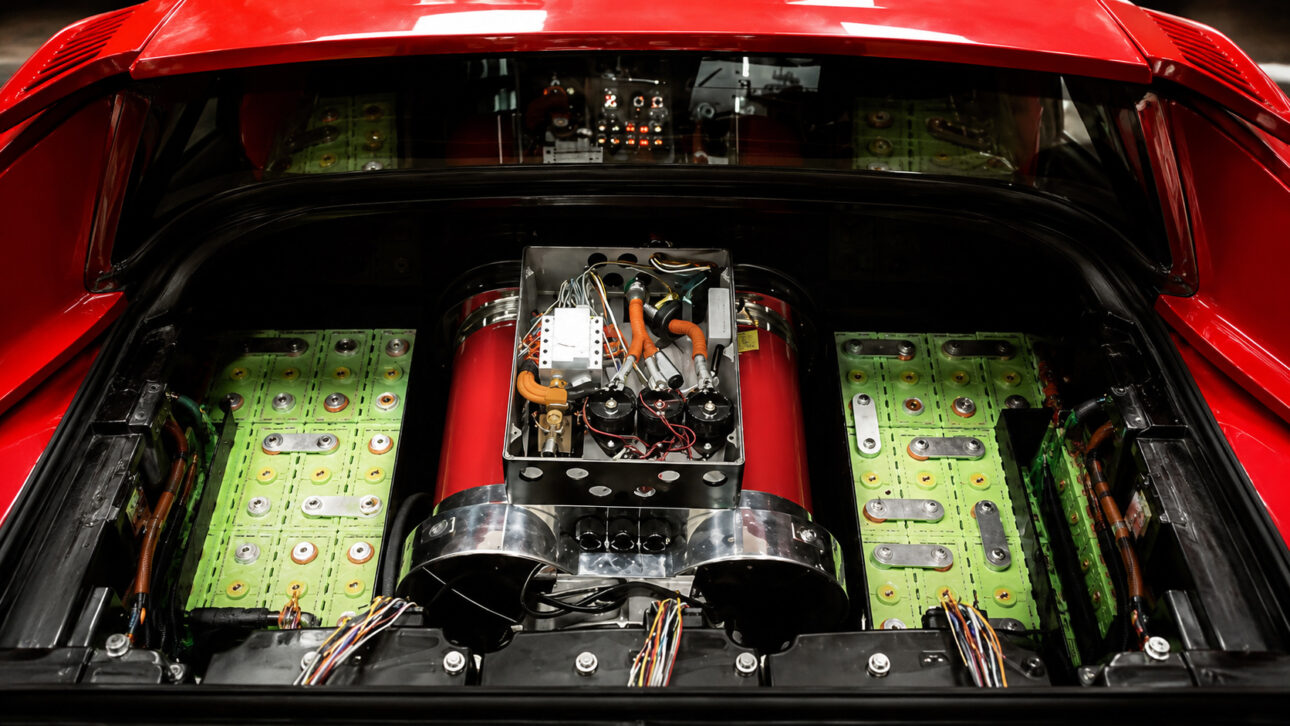
The old sports car lost its gasoline V8 engine and received three HPEVS AC 51 electric motors. The installed battery has 47 kWh, with a reported range of 135 miles, about 217 km.
The transformation should not be confused with a Ferrari launch. The 308 GTE is not an official Ferrari, but an independent conversion made on an existing car that had a salvage title.
-
Smaller than a Kwid and priced at around R$ 60,000, the Mitsubishi eK Cross EV features a 1,500 W outlet, 180 km range, and becomes a sort of power bank on wheels in Japan.

-
Move Brasil promises car financing without a down payment for app drivers and taxi drivers.

-
BYD offers 950 km of range in a seven-seater electric SUV, charges the price of a mid-sized SUV in Brazil, and increases pressure on premium rivals in China.
-
Nissan X-Trail e-Power debuts as a hybrid SUV that runs like an electric vehicle, uses a 1.5 turbo engine only as a generator, promises up to 1,039 km per tank, and arrives in the Philippines with 204 hp, a 482-liter trunk, and a competitive price.




The Ferrari 308 GTS damaged by fire became the basis for an electric conversion
The story of the 308 GTE begins with a 1978 Ferrari 308 GTS marked by a fire. The car had a salvage title, a term used for vehicles that have suffered severe damage and may lose usage or resale value.
Instead of heading for dismantling, the sports car was used as the basis for an electric project. This choice changes the fate of a car that could have ended up sold in parts or left without function.
The central point is not just in the engine swap. The conversion shows how a damaged classic car can receive a new life without relying on the original mechanical set.
The V8 engine stepped aside and three electric motors took its place
The gasoline V8 was removed and replaced by three HPEVS AC 51 electric motors. The set was assembled in a configuration inspired by the shape of a V8 block, which preserves a visual connection with the idea of the original engine.
For those not familiar with mechanics, the change is simple to understand. The car stopped burning gasoline to move and started using energy stored in a battery.
The power now comes from the electric motors. They transform electricity into movement and deliver quick response, something common in high-performance electric cars.
The 47 kWh battery took the 308 GTE to a reported range of 135 miles
The conversion battery has 47 kWh. This number indicates the amount of energy the car can store to power the electric motors.
The reported range is 135 miles, about 217 km. This data helps to understand that the 308 GTE was not just a visual piece, but a project designed to function as an electric car.
The actual range of any electric car can vary with speed, weight, driving, and usage. Even so, the number of 135 miles is the technical reference disclosed for this conversion.
Performance also entered the debate between classic Ferrari and electric car
The 308 GTE accelerates from 0 to 62.5 mph in 4.8 seconds. This speed is equivalent to about 100.6 km/h, which places the conversion in a strong performance range for a repurposed old car.
Electric GT, a company specializing in automotive electric conversion, recorded the central data of the transformation. The list includes the origin of the Ferrari, the motors used, the battery, and the reported range.
The result draws attention because it mixes two worlds that don’t always communicate well. On one side is the tradition of gasoline engines. On the other is electrification applied to a car that had already suffered severe damage.
The 308 GTE is not an official Ferrari and this detail changes the project’s interpretation
The 308 GTE was born from a 1978 Ferrari 308 GTS, but the conversion was not presented as a Ferrari product. This difference is essential to avoid confusion.
The Italian brand is not treated as the manufacturer of the electric project. The car retained the origin of an old Ferrari but received another set of motor and battery through an independent conversion.
This also explains why the case divides opinions. For some fans, removing the V8 changes the essence of the car. For others, saving a burned vehicle with electric technology is better than letting a rare Ferrari disappear.
The case shows the conflict between preserving everything and reusing what can still run
The 308 GTE touches on a difficult question in the world of classic cars. When a sports car is already damaged by fire, does it make more sense to preserve the original mechanics or accept a profound transformation?
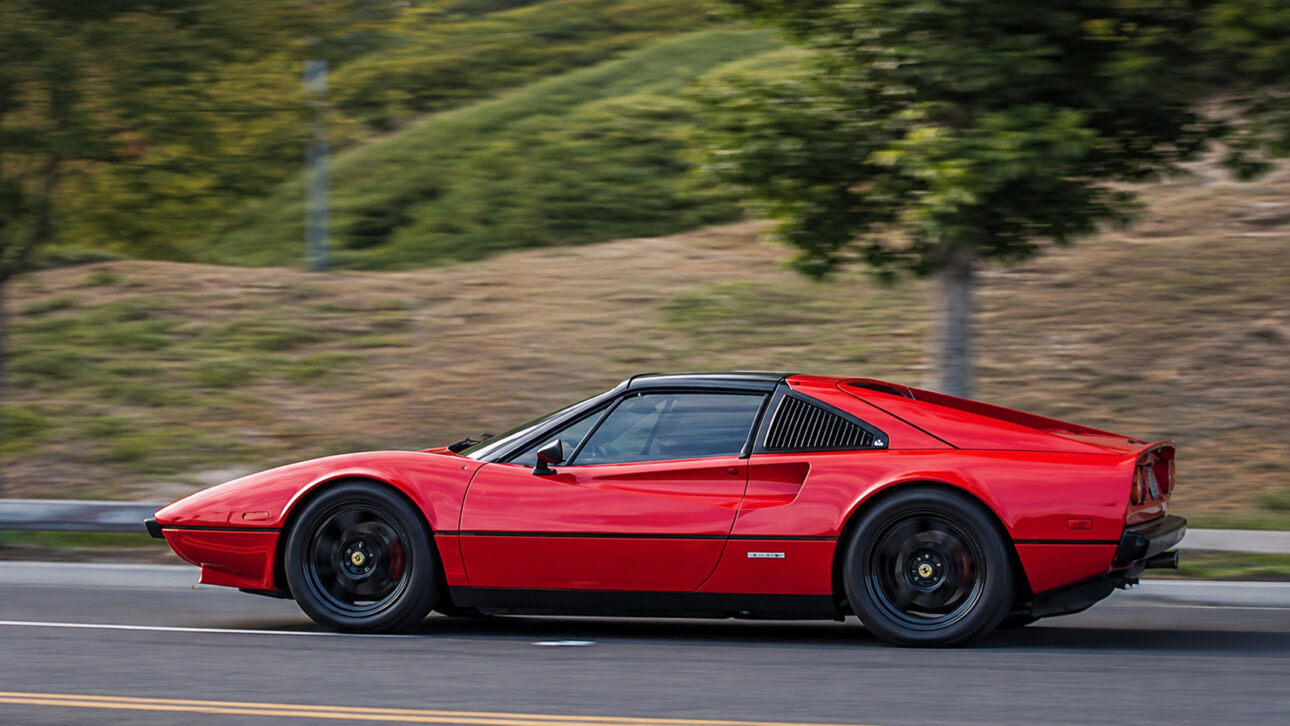
The conversion does not prove that every old car should become electric. It shows a specific case, where a Ferrari with a salvage title received a new path.
The impact is precisely at this point. A car that seemed doomed now carries three electric motors, a 47 kWh battery, and a reported range of 135 miles, about 217 km.
The burned Ferrari 308 GTS became the 308 GTE and became a strong example of reuse in classic cars. The swap from V8 to electric motors does not erase the debate, but shows that scrap doesn’t always have to be the last destination.
When a rare sports car has already been destroyed by fire, is transforming the car into electric an intelligent way to save history or too big a change for a classic? Leave your opinion in the comments and share with those who like old cars.






Be the first to react!