Portuguese
  Spanish


The Nissan X-Trail e-Power arrived in the Philippines as a series hybrid SUV, with a 1.5 turbo engine generating energy and an electric motor moving the wheels. The set promises 1,039 km per tank, 204 hp, 330 Nm, a trunk of 482 liters, and a competitive price in the local Asian market of electrified family SUVs.
The Nissan X-Trail e-Power debuted in the Philippines as the brand’s new hybrid SUV for the local market, presented during the Philippine International Motor Show. The model arrived with a different proposal: to drive with an electric feel, but without relying on external recharging.
In a video released by the channel AutoDeal.com.ph, on June 4, 2026, the novelty uses a 1.5 turbo engine as a power generator, while the movement of the wheels is handled by the electric system. With an initial price of 2,290,000 Philippine pesos, the X-Trail e-Power arrives with 204 hp, 330 Nm of torque, a trunk of 482 liters, and an estimated range of up to 1,039 km per tank.
SUV returned to the Philippines as a technological showcase
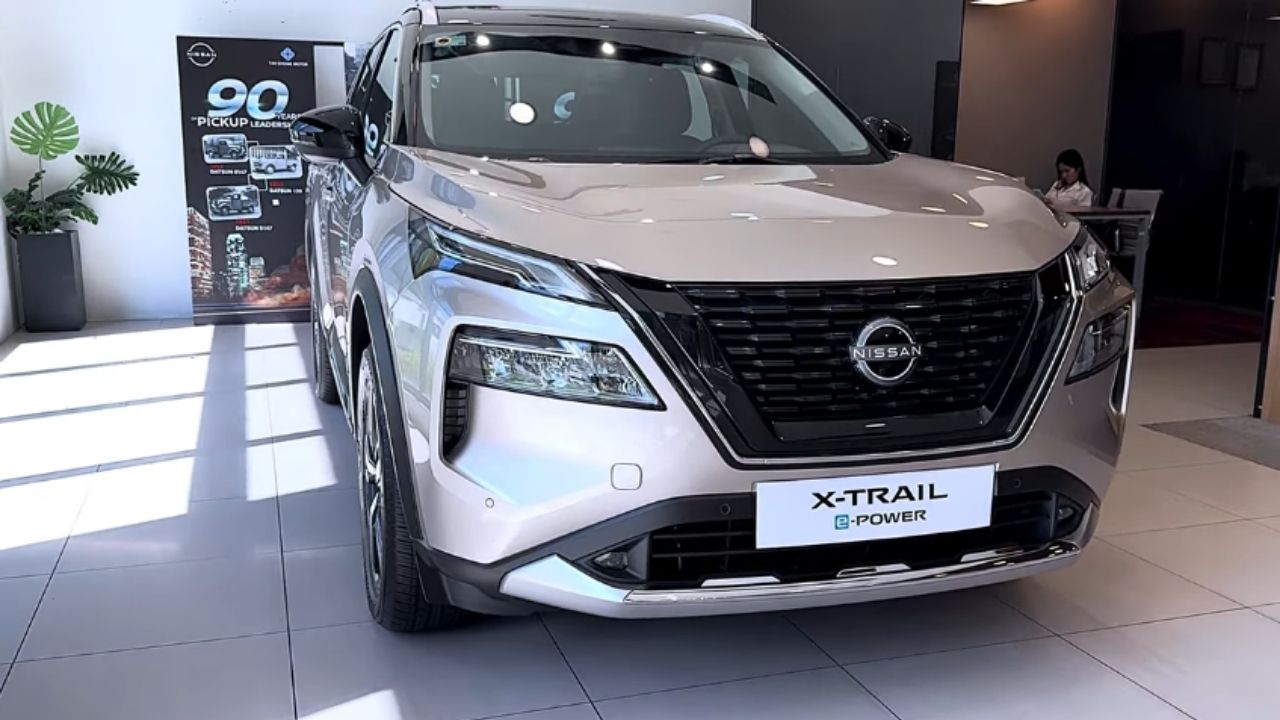
The X-Trail is not an unknown name in the Asian market, but it returns to the Philippines in a different phase. Nissan has started to treat the model as a showcase for its e-Power technology, positioning the SUV above simpler options and close to hybrid rivals of similar size.
-
End of an era in Brazil: beloved sedan by Brazilians is discontinued despite having a 2.0 engine with 151 hp, CVT transmission, 466-liter trunk, and up to 650 km of range.

-
New Law Proposal in Brazil Could Heavily Penalize Drivers: Dangerous Overtaking May Become a Serious Offense with Fines Increased Tenfold and a 12-Month License Suspension; Update on 2026 Progress

-
Electric Revolution: Watts W125 Motorcycle Offers 160 km Range, 90 km/h Speed, and Affordable Price Starting at $3,000
-
General Motors Replaces Over a Thousand Workers with 50 Cobots at Electric Vehicle Plant, UAW Union Criticizes Move Amid Industry’s Automation Push
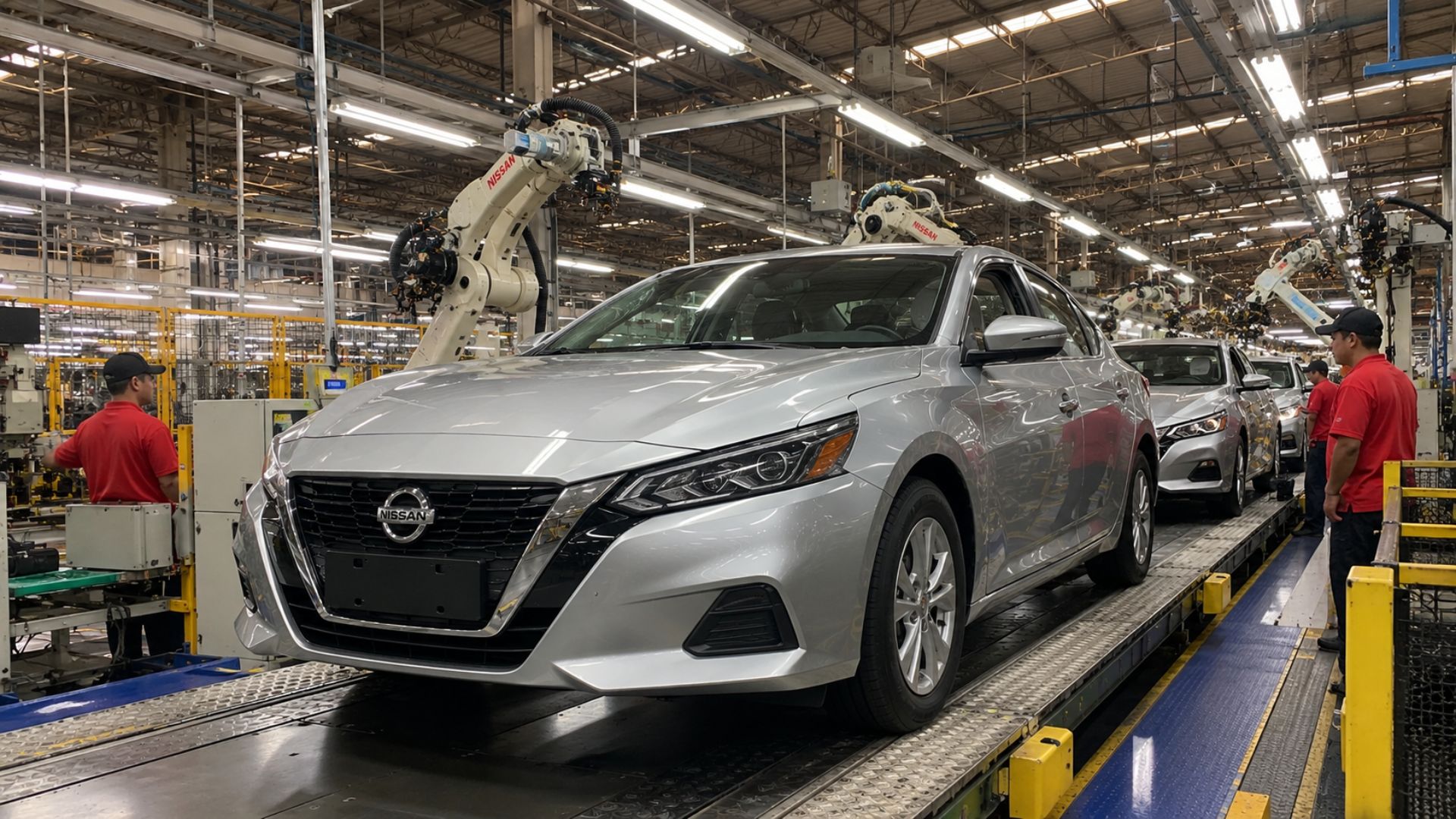



The strategy is clear: to show that the brand has an electrified alternative without requiring a total change in consumer habits. The driver refuels with gasoline, but drives a car powered by electric wheels, with immediate response and smoother operation.
e-Power system changes the logic of the traditional hybrid
In the Nissan X-Trail e-Power, the 1.5 turbo three-cylinder engine does not work as a direct propeller of the wheels. It acts as a generator, feeding the battery that supplies energy to the electric motor responsible for moving the vehicle.
This difference is the most important point of the set. Unlike many conventional hybrids, the X-Trail e-Power tries to deliver the driving experience of an electric vehicle while maintaining the practicality of a fuel tank.
1.5 turbo engine works as a generator
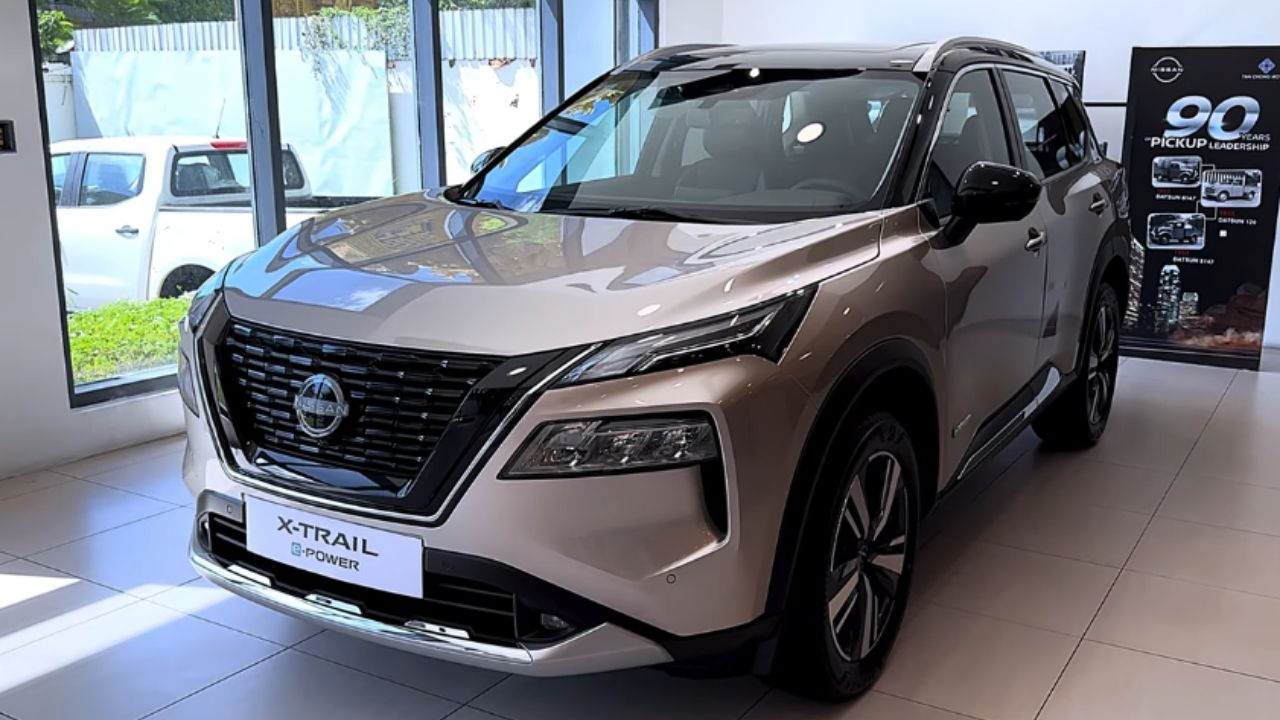
The gasoline engine is a 1.5 turbo with variable compression, a technology used by Nissan to balance efficiency and performance. In the e-Power, however, it assumes a specific function: generating electricity for the system.
In practice, this means that the car does not depend on a plug. The fuel supplies the thermal engine, the thermal engine generates energy, and the electric motor delivers power to the wheels. It is a solution designed for markets where charging infrastructure may still limit the adoption of pure electric vehicles.
Power reaches 204 hp and torque 330 Nm
According to Nissan Philippines, the set delivers 204 hp and 330 Nm of torque. The number places the SUV in a competitive range for those looking for a family model with strong response in urban and highway use.
Immediate torque is one of the most important promises of the system. Since the traction comes from the electric motor, the power delivery tends to be faster and more linear than in a traditional combustion SUV.
Estimated range exceeds 1,000 km per tank
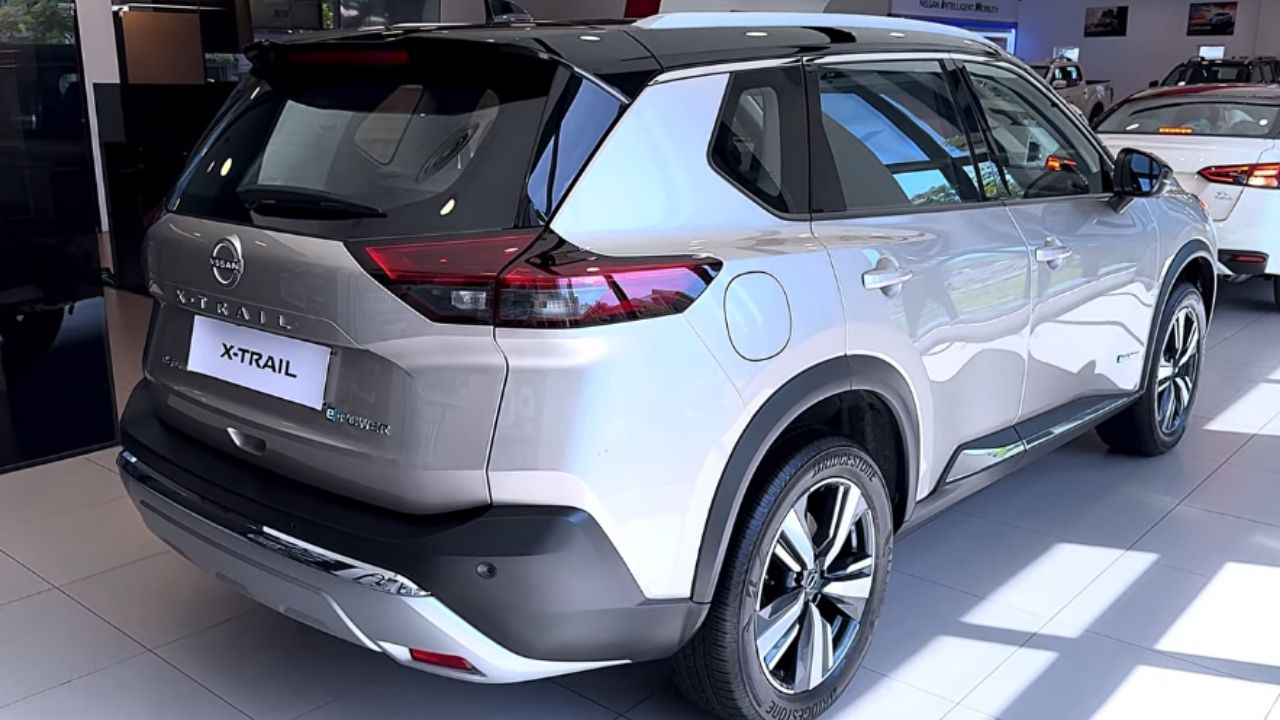
One of the most striking data of the Nissan X-Trail e-Power is the estimated range. With a 55-liter tank and reported consumption around 18.9 km/l, the model can reach up to 1,039 km with a full tank, according to data released for the Philippine market.
This number reinforces the SUV’s proposition: combining the electric driving sensation with long range. For the consumer who still fears relying on chargers, the e-Power appears as a bridge between the hybrid car and the electric one.
482-liter Trunk Aimed at Family Use
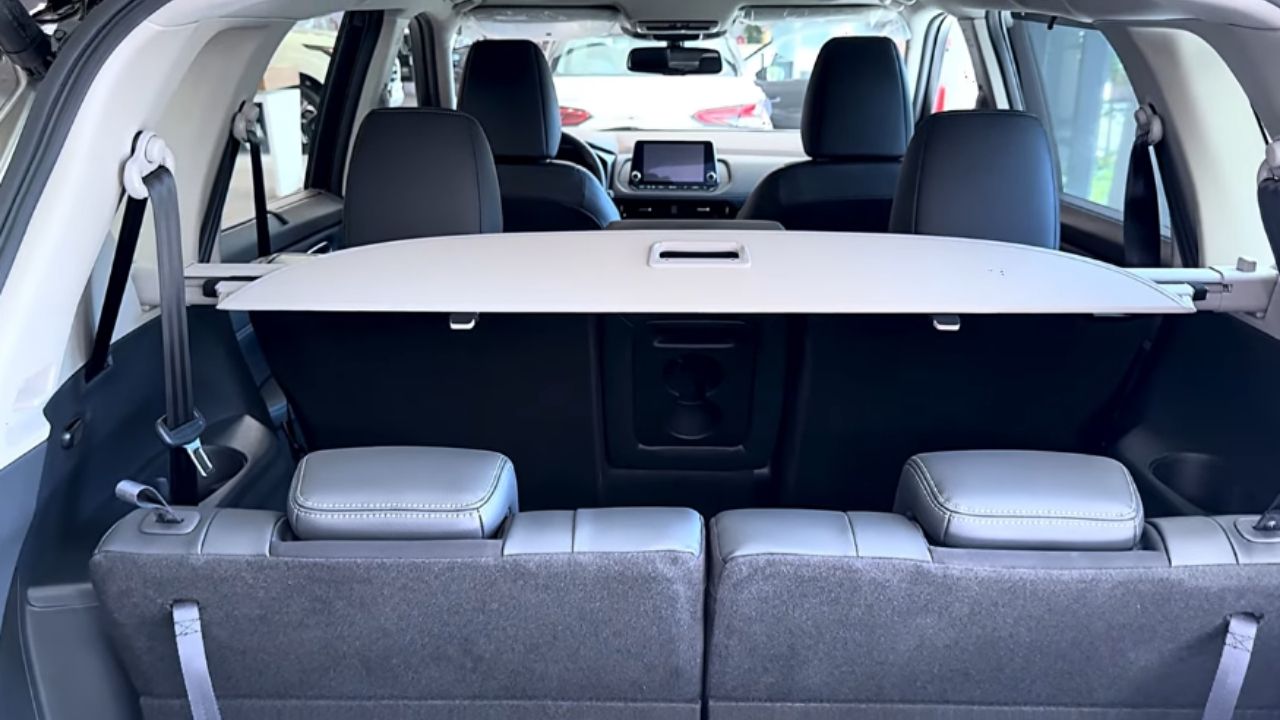
Besides the technology, the X-Trail e-Power also tries to convince with space. The trunk has 482 liters, a volume that can meet the needs of families, trips, and daily use with a good load margin.
The model offered in the Philippines is configured as a five-seater SUV. This choice reinforces the focus on passenger comfort and usable space, rather than trying to fit in a cramped third row.
Visual Bets on Medium SUV Presence
At the front, the X-Trail e-Power features a redesigned grille, new bumper, and LED light signature. The set follows Nissan’s recent visual language, with more marked lines and a more robust appearance.
The presentation video also highlights 19-inch wheels, wide tires, and good ground clearance. The idea is to position the SUV as a family product, but with enough appearance to compete for attention in an increasingly valued visual segment.
Interior Uses Two 12.3-inch Screens
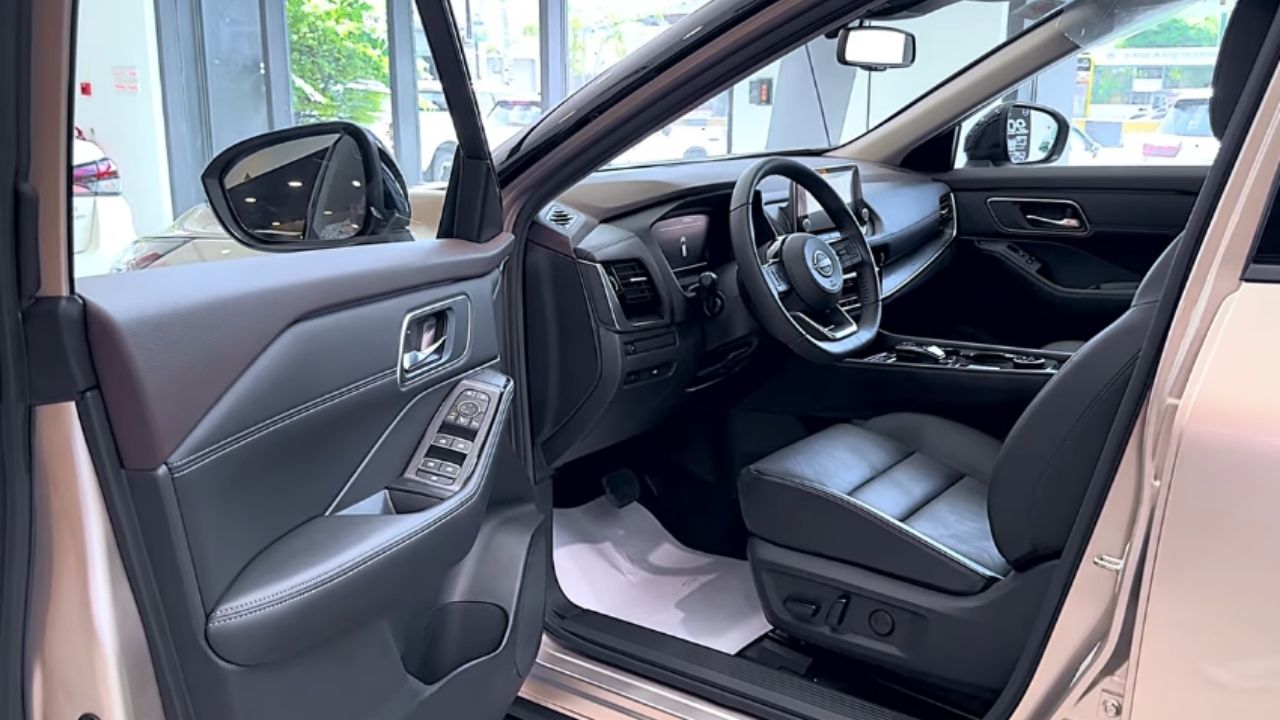
The cabin follows a more technological proposal. The Nissan X-Trail e-Power features a digital instrument panel and multimedia center, both with 12.3-inch screens, as well as wireless connection for Apple CarPlay and Android Auto.
The interior also includes a panoramic roof, induction charger, USB-C ports, an internal rearview mirror with camera function, and physical controls for important functions. The combination tries to balance premium appearance with everyday usability.
Rear Comfort Designed for Family
The rear doors open at a wide angle, making access to the second row easier. The rear seat reclines, slides on rails, and offers adequate leg and headroom, even with the panoramic roof.
The SUV also offers air vents for the rear passengers and temperature controls in the second row. This detail reinforces the family focus of the model, especially in markets where rear comfort weighs heavily in the purchase decision.
Assistance helps, but there are limits in the package
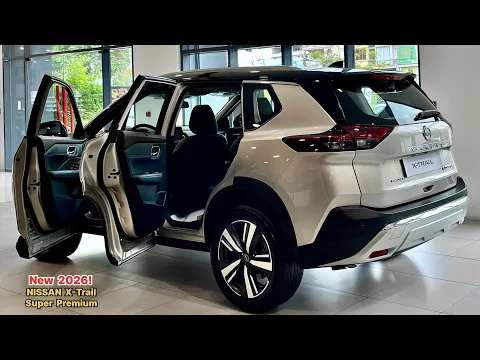

The X-Trail e-Power brings driver assistance features such as blind spot monitoring, cruise control, and a 360-degree camera, in addition to the smart rearview mirror that can display the rear camera image.
Even so, the video points out an important absence: the package does not include the full ProPilot, with features like lane centering and adaptive cruise control. In other words, the SUV bets on technology but does not deliver all the semi-autonomous systems available in other markets.
Price tries to compete with hybrid rivals
The announced price of 2,290,000 Philippine pesos places the Nissan X-Trail e-Power in a competitive range for medium hybrid SUVs. The model targets consumers comparing options like Toyota RAV4, Honda CR-V, Mazda CX-5, and other electrified family utilities.
Nissan tries to differentiate the X-Trail by the operation of the e-Power. While many rivals combine combustion engine and electric motor in traction, the brand’s system uses the gasoline engine mainly as a power source.
Philippines receive model as an electrified bet
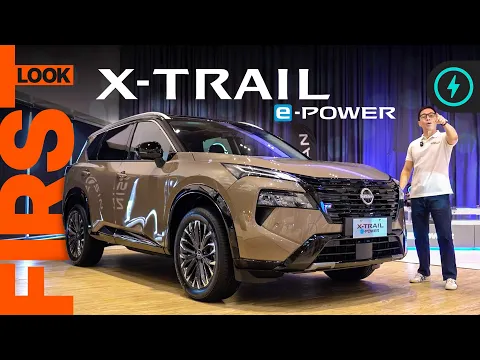
The debut at the Philippine International Motor Show reinforces the importance of the Filipino market for Nissan’s regional strategy. The X-Trail e-Power appears as an image product, capable of showcasing technology without requiring the consumer to immediately switch to a pure electric vehicle.
This choice aligns with the reality of several Asian countries. Electrification is advancing, but hybrid solutions still hold strong because they combine less range anxiety, familiar refueling, and the promise of more efficient driving.
Electric in driving, gasoline in the tank
The Nissan X-Trail e-Power arrives in the Philippines as an uncommon hybrid SUV: it runs with an electric motor, uses the 1.5 turbo engine as a generator, and promises high range with a gasoline tank. With 204 hp, 330 Nm, 482 liters of trunk space, and a competitive price, it aims to occupy space among family hybrids.
The model also raises an important question for markets that do not yet have widespread charging: can a hybrid that drives like an electric be more appealing than a pure electric for most consumers? Share your opinion.