Portuguese
  Spanish


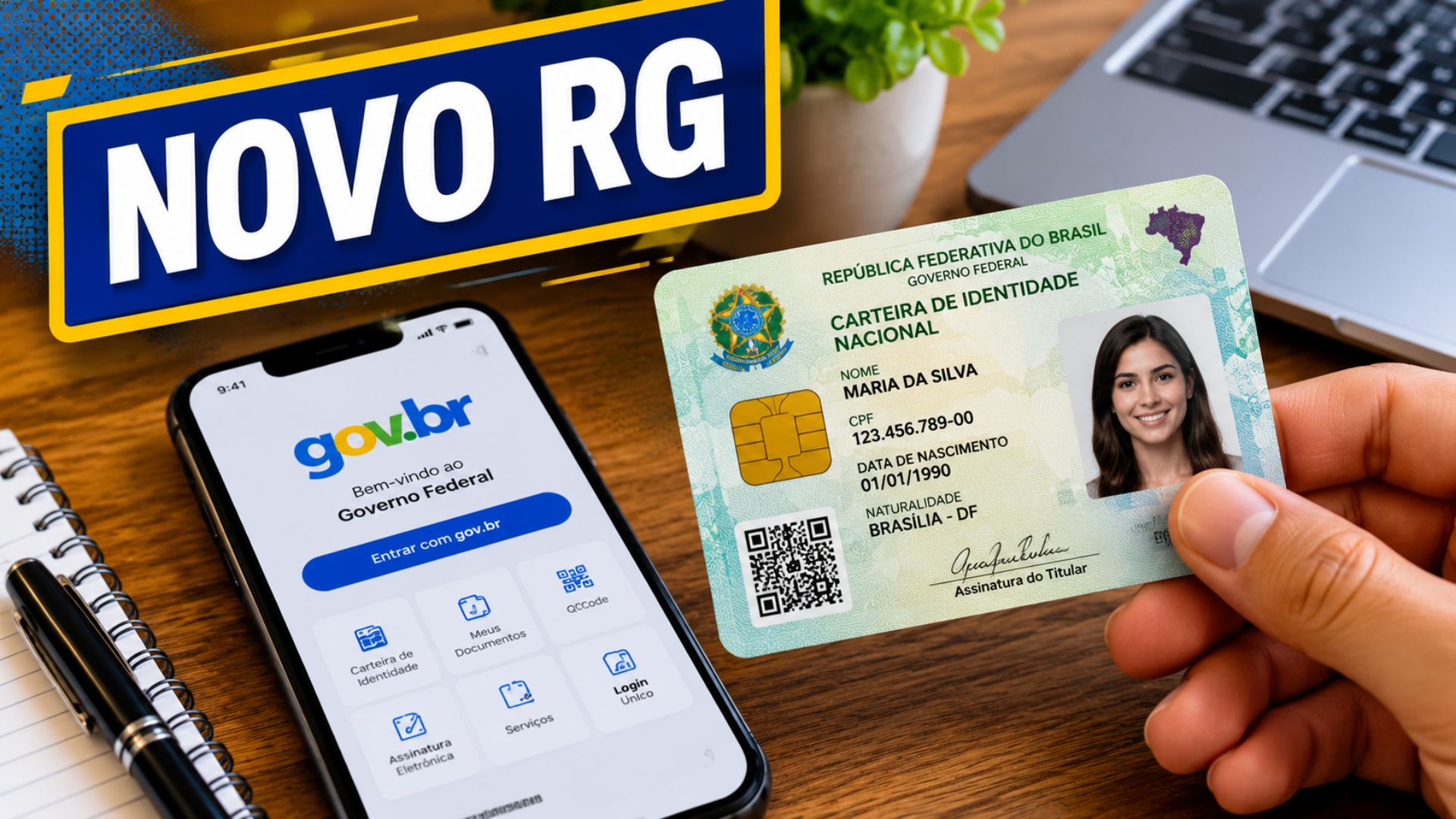


New national document advances in Rio de Janeiro and reorganizes the identification of Brazilians, with CPF as a unique record, digital version, verification QR Code, and a defined deadline for the gradual replacement of the old RG throughout the country.
The new National Identity Card (CIN) has already reached 4.4 million people in the state of Rio de Janeiro by June 12, 2026, according to data consolidated by the Ministry of Justice and Public Security.
This total represents 25.6% of the population of Rio de Janeiro, while more than 55.8 million Brazilians already have the document nationwide, within the process of gradually replacing the old General Registry.
With the change, the CPF becomes the unique civil identification number in Brazil, reducing duplications and preventing the same person from having different records issued by different states.
-
A Brazilian street cleaner built a machine to recycle PET bottles in the hinterlands of Paraíba, transforming the trash he swept from the streets into threads, brooms, and equipment sold even outside Brazil, and began earning about R$ 7,500 per month with his own invention.

-
In a city where every piece of land is worth gold, he began buying plots in the 1960s and built a real estate empire with over a thousand properties.

-
An artist sank over 500 life-sized human statues at the bottom of the Caribbean Sea, and what seemed like macabre art turned into a living reef covered with corals that attracts divers from all over the world.

-
A fossil kept for years in a small museum in Montreal concealed 450-million-year-old soft tissue, a discovery that has only happened once before in history.


Valid throughout the national territory, the CIN can already be issued in all states, with the first copy free of charge and possible charges for a second copy according to the rules of each issuing body.
In Rio de Janeiro, Detran-RJ reports that it began issuing the National Identity Card on January 16, 2023, following the standard defined by Federal Decree No. 10,977, of February 23, 2022.
How the new National Identity Card works
Among the main changes, the CIN establishes the unification of the civil identification number, replacing the previous logic where each state could issue its own RG number for the same person.
In practice, the CPF becomes the main reference for official records, which increases the reliability of public registers and facilitates identity verification in both in-person and digital services.
In addition to the printed version, the card is also available in digital format on the Gov.br platform, with the image of the physical document and the QR Code used to verify the authenticity of the information.
Currently, Detran-RJ reports that the CIN in the state is issued on security paper, while the optional data presented by the citizen is available in the digital version of the document.
Deadline to replace the old RG
The old model of the identity card remains valid until February 23, 2032, the deadline set for the replacement to occur gradually throughout the country.
After this date, citizens must use the National Identity Card, except in cases where the legislation allows the maintenance of the previous document indefinitely.
This exception applies to people who were already 60 years old or older on February 23, 2022, the date of publication of the decree that regulated the new national standard.
The CIN itself also has different validity periods according to age: five years for children aged 0 to 11, ten years for people aged 12 to 59, and indefinite validity from age 60 onwards.
What is necessary to apply
To apply for the National Identity Card, the citizen must present a birth or marriage certificate, in original or certified copy, in addition to other documents required by the issuing body.
At the Rio service, Detran-RJ advises that the documentation may vary depending on the type of request, such as first issue, second issue, or update of registration data.
Native Brazilians, naturalized citizens, and Portuguese with equal rights can request issuance, provided they present the documents required for the validation of personal information.
With QR Code, digital validation, and integration with official identification systems, the new document aims to make public records more secure and simplify citizens’ access to services that depend on official identification.