






 Portuguese
  Spanish


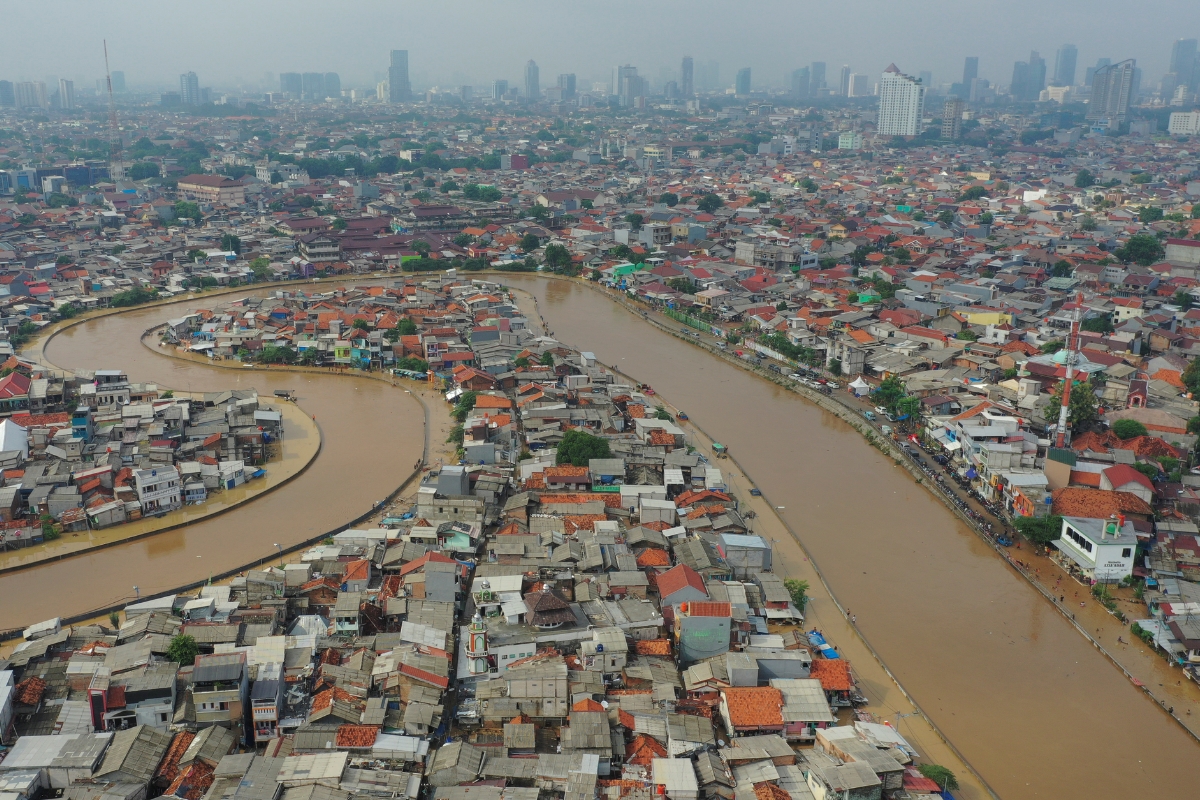


In Indonesia, Parliament Approved the Move of the Capital from Jakarta to Nunsantara, 1,300 Kilometers Away in Borneo, to Tackle the Sinking of 40% of the Current City, Causing Environmental Debate and Expectations for a Sustainable Metropolis
Indonesia has decided to turn the page on one of the world’s biggest urban problems. The parliament approved the transfer of the capital from Jakarta to a new city that will be built from scratch on the island of Borneo, 1,300 kilometers away.
The reason is urgent. About 40% of Jakarta is already below sea level. The encroaching waters, combined with excessive groundwater extraction and rapid urbanization, have turned the former capital into a symbol of climate risk.
What seemed impossible has become state policy. The new city, called Nunsantara, which means archipelago in ancient Javanese, represents a bold attempt to reorganize the country’s administrative center in the face of climate change.
-
House Left Isolated in the Middle of New Chinese Highway as Owner Refuses Compensation Deal, Construction Continues Around the Property

-
Venetian Factory Luigi Bevilacqua Crafts Velvet by Hand on 18th-Century Looms, Producing Just 30 Centimeters a Day

-
From Customer Service to Pipeline Welding: She Becomes the Second Female Welder in Utility’s History, Now Leading a Team in San Diego
-
Controversial 262-Meter Skyscraper in New York Blocks Empire State Building View, Offers 26 Luxury Apartments Priced Up to $18 Million



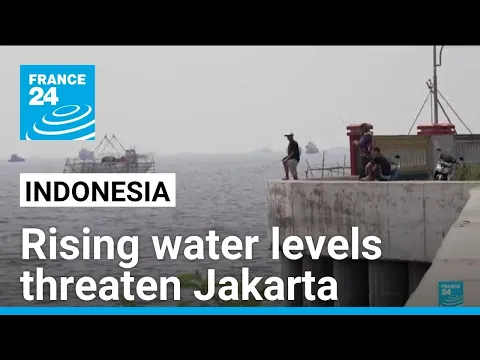
Jakarta Sinks and Faces Pollution, Chaotic Traffic, and Rising Sea Levels
Jakarta has accumulated problems over the past few decades. Air pollution, daily traffic jams, and frequent flooding have become part of the routine for millions of residents.
The scenario has worsened with the intense extraction of groundwater, which has caused the soil to gradually sink. The result is alarming: 40% of the city is already below water level.
Seawalls have been raised. Public transportation projects have been expanded. Artificial islands have even been proposed to contain the encroaching sea. But these solutions have shown only temporary effects. The water continues to rise.

The Strategy Called Managed Retreat and the Creation of Nunsantara in Borneo
The proposal came from President Joko Widodo, who was previously the governor of Jakarta. Given the structural limitations of the current capital, he proposed a radical alternative: to transfer the country’s administrative center.
In environmental jargon, this strategy is known as managed retreat. It involves a planned and controlled withdrawal from areas considered at climatic risk.
The new capital will be located in Borneo, the third largest island in the world, shared with Malaysia and Brunei. The decision has placed Indonesia among the largest global examples of this strategy.
What the New Capital Designed for Renewable Energy and Sustainable Mobility Will Look Like
Nunsantara is designed to operate with renewable energy and prioritize pedestrians and efficient public transport. The intention is to create a city adapted to climate change from the outset.
In 2019, nearly 300 companies competed for the opportunity to develop the master plan. Indonesian urban planner Sibarani Sofian was selected.
The project considers the local climate and the mountainous terrain of Borneo. Plans include stilted buildings and elevated walkways, allowing air circulation and better drainage of rainwater. The most noteworthy detail is the attempt to integrate modern infrastructure with the natural characteristics of the region.
Race Against Time Until 2024 and Challenges of Clay Soil

Despite institutional advancement, no structure has been completed so far. There is pressure to finalize the first phase by the end of 2024, when the presidential term ends.
The accelerated timeline raises concerns. The clay soil in the region does not easily support large buildings, which may hinder the necessary construction to accommodate about 60,000 people already in the first phase.
Experts warn that works on land with these characteristics require rigorous technical planning. The impact has been immediate on the public debate.
Deforestation, Environmental Criticism, and Comparison with Other Planned Capitals
Another sensitive point involves deforestation. Authorities claim that most of the land designated for urbanization corresponds to eucalyptus plantations and not to virgin rainforest.
Still, environmental groups question the project, noting that a detailed environmental impact assessment has not been released.
Even with criticism and political opposition, the project is considered one of the largest infrastructure ventures of the Indonesian government.
The capital move is not unprecedented in the world. Countries have made similar decisions for various reasons, such as Pakistan with Islamabad, Tanzania with Dodoma, Malaysia with Putrajaya, and Egypt with its new administrative capital. Indonesia now joins this list with a project that mixes climate urgency and strategic urban planning.
The transfer of the Indonesian capital draws attention for its scale, tight timeline, and climatic context. By moving the administrative center to Borneo, the country is betting on a city designed for the future while facing the challenging present of Jakarta.
Do you believe that changing the capital is the ideal solution to face climate change, or could the challenge be solved in the current city? Share your opinion in the comments.


