





 Portuguese
  English
  Spanish
  4 min of reading
  3 comments


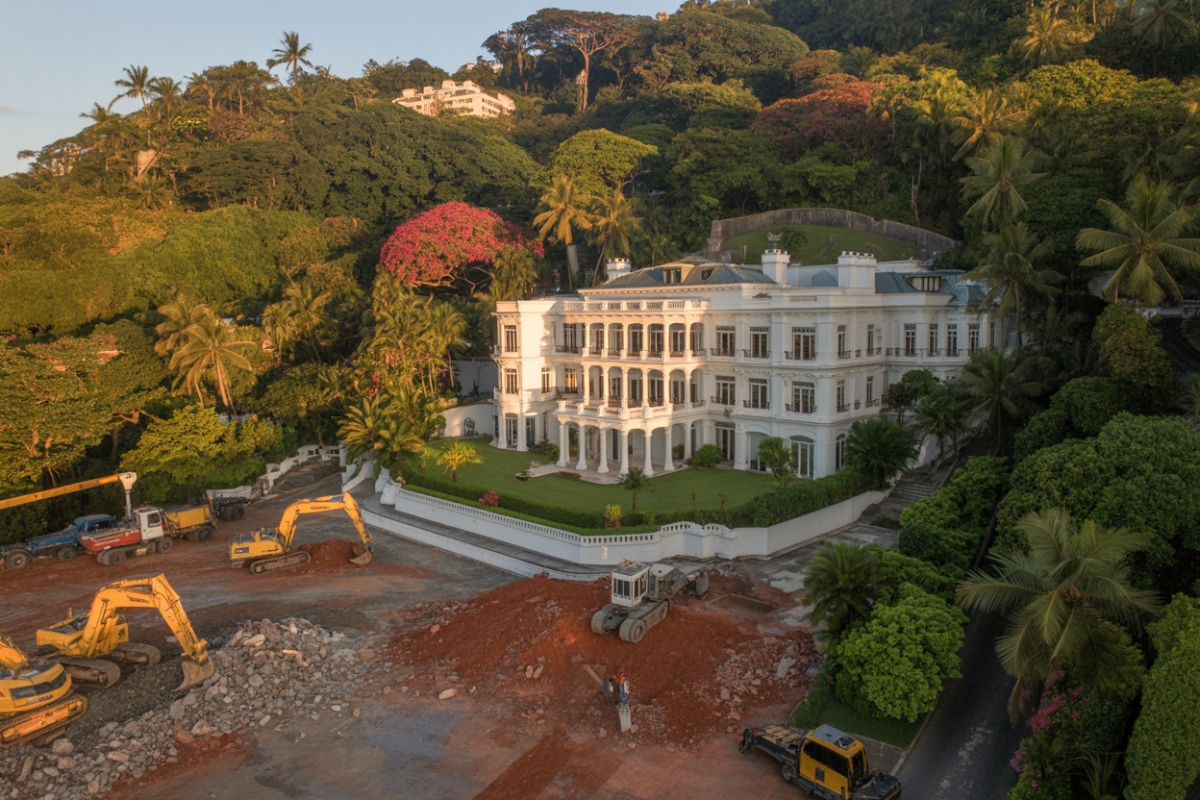


The Most Expensive Mansion in Brazil, Valued at R$ 220 Million, Will Be Demolished in Leblon. In Its Place, the Estância Pernambuco Condominium Will Arise, Featuring Eight Homes Priced Up to R$ 50 Million
In the heart of Leblon, a neighborhood where the square meter is the most expensive in the country, a historic mansion is about to vanish. Valued at around R$ 220 million, the property will be demolished to make way for an even more ambitious development: the Estância Pernambuco condominium, composed of eight high-end mansions with a total estimated value of R$ 360 million.
It is the end of one symbol and the birth of another — both marking the pinnacle of luxury in Rio.
An Icon of Leblon That Will Be Rewritten
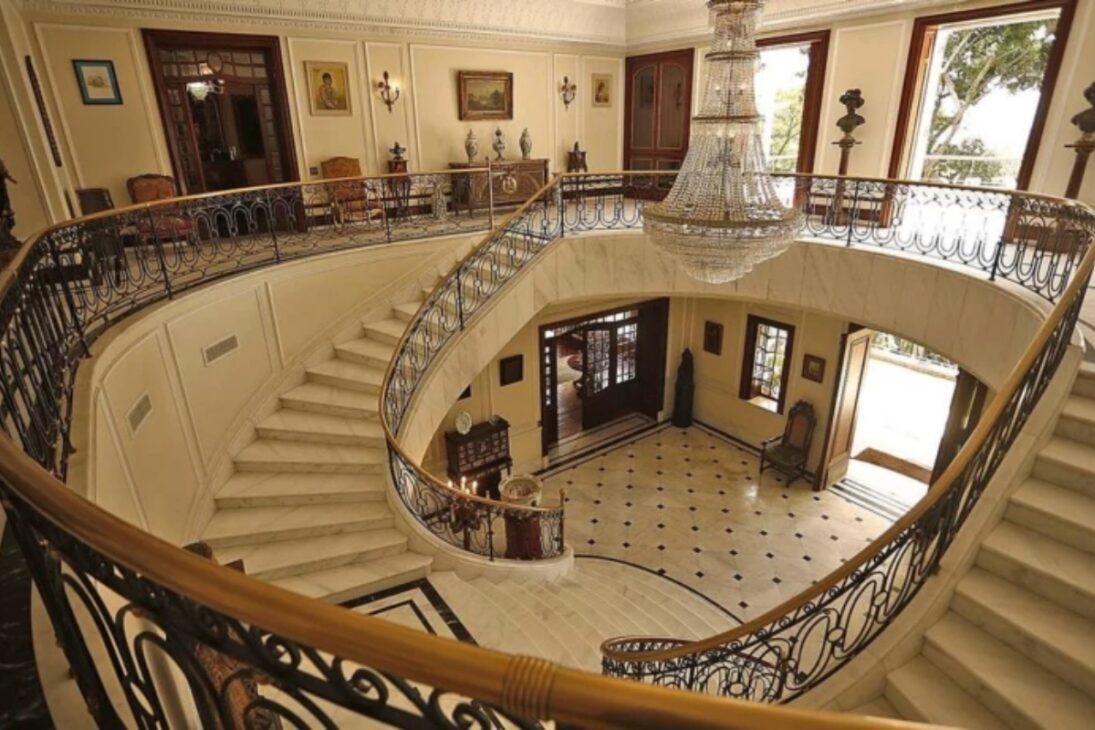
Built in the 1980s, the former house became a legend in Rio’s real estate market. Located on Rua Jardim Pernambuco, it occupied 11,000 square meters of land, equivalent to a soccer field, and had 2,500 square meters of built area.
Among its features were six suites, eighteen bathrooms, fifteen parking spaces, a library, a semi-Olympic swimming pool, a sauna, a helipad, and a garden designed by Roberto Burle Marx — a true portrait of the economic boom of the 80s.
-
Luxury pet market gains momentum in Paris with cafes where dogs eat croissants, gourmet desserts, and display-worthy biscuits.

-
The 2026 World Cup has barely started, and the sticker album has already become a craze with 980 stickers, 48 teams, and a cost that is alarming.
-
Amid the United States’ economic blockade, China delivers 15,000 tons of rice to Cuba as part of a 60,000-ton donation personally approved by Xi Jinping. The package includes 80 million dollars and solar panels for hospitals.

-
For around 200 reais, anyone can buy a kit and have a chip implanted between their fingers to replace cards, keys, badges, and even medical information in case of a hospital emergency.



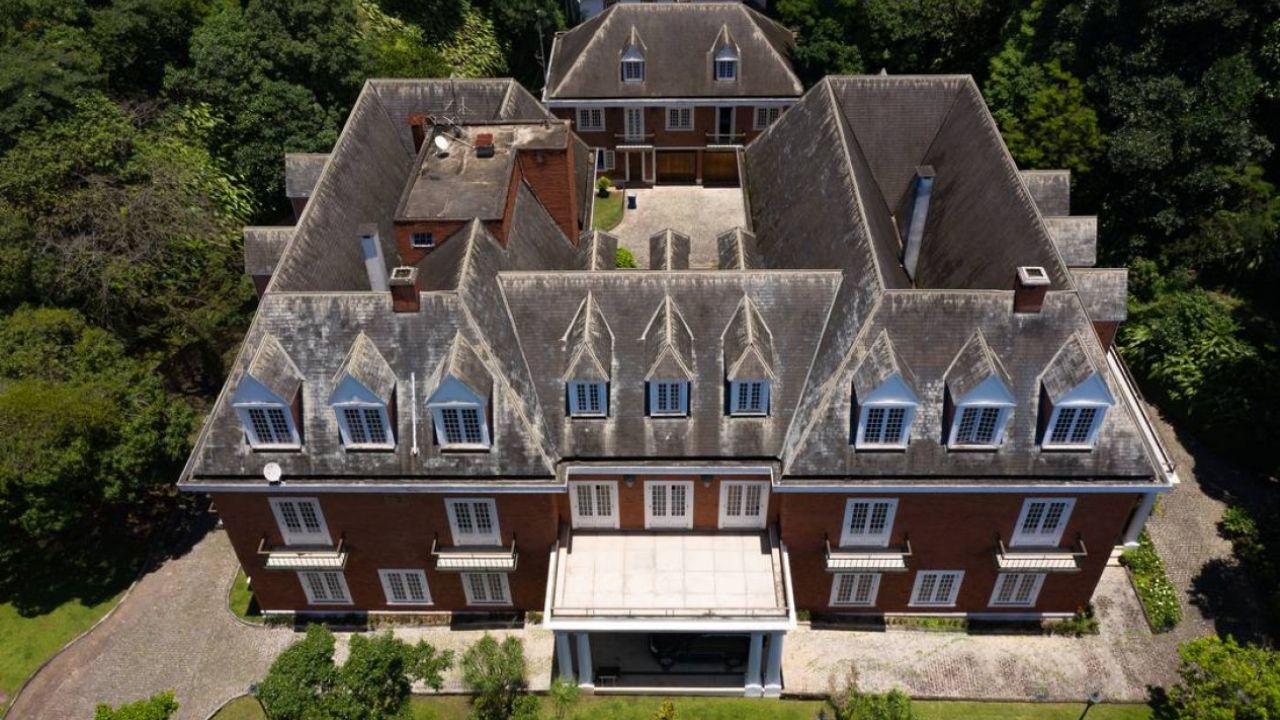
Despite all this, the house remained stagnant on the market for years. According to specialized brokers, the format of a unique, gigantic, and isolated residence no longer attracts the ultra-high-net-worth individuals. Today, the desire is different: personalized exclusivity, invisible technology, and absolute privacy.
The New Chapter: Estância Pernambuco
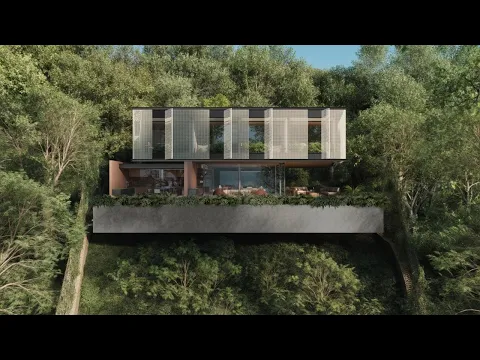
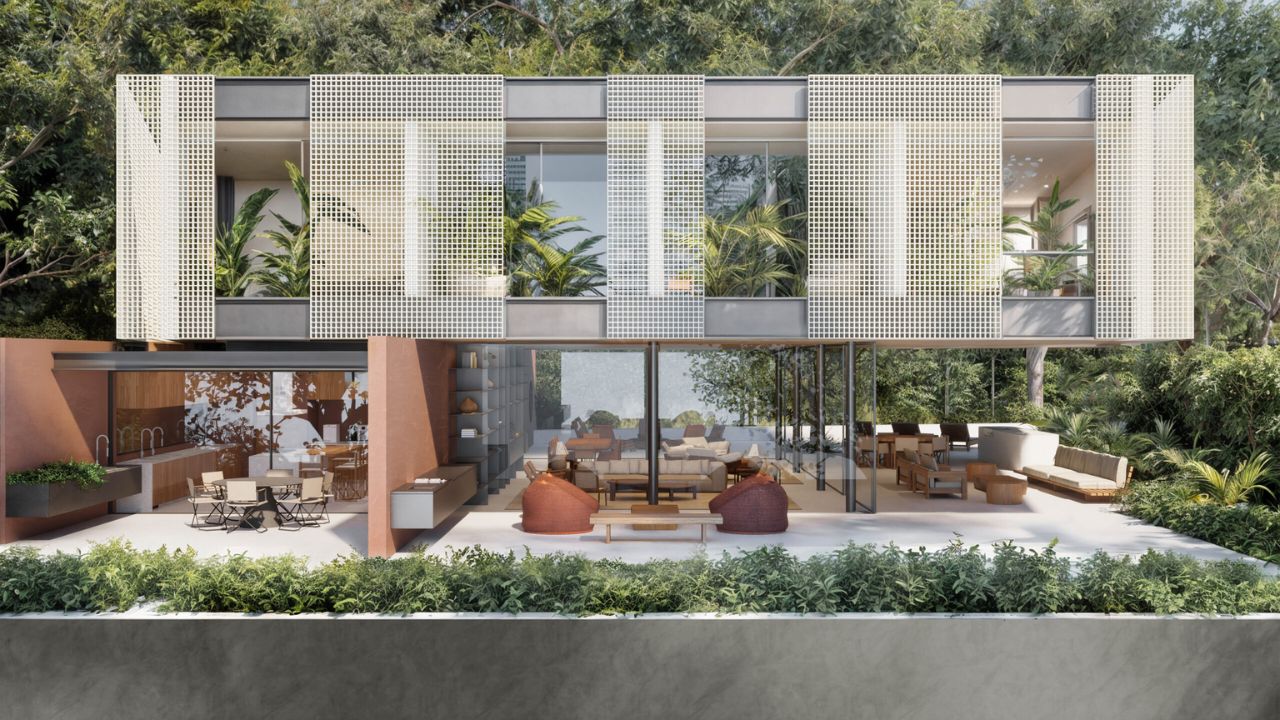
At the same address, a project is now emerging that promises to redefine luxury standards in Brazil. The Estância Pernambuco will consist of eight exclusive homes, built on lots ranging from 1,120 to 4,000 square meters.
Each one may feature between 944 and 1,120 square meters of built area, with a custom design — from the internal layout to the landscaping.
The prices of each unit should range between R$ 30 million and R$ 50 million, depending on the customization choices.
The set is expected to have commercial launch in early 2025, with construction set to begin in January 2026.
The architectural design is by the firm Bernardes Arquitetura, led by Thiago Bernardes, known for iconic works such as the Museum of Art of Rio. The landscaping will be managed by Daniel Nunes, responsible for harmonizing tropical vegetation with modern structures.
The project will also include underground passages connecting the homes, ensuring total visual and acoustic privacy. No cars will circulate in front of other residences, and each mansion will have an independent underground garage, with an internal elevator, spa, and integrated leisure areas.

When Luxury Becomes an Investment
More than just a real estate operation, the project reflects how the high-end market is reinventing itself. The idea is to transform a single high-value asset into several equally exclusive properties, multiplying the potential return.
According to a broker from the neighborhood quoted by Exame, “the trend is to create tailored luxury — less ostentation, more design, and efficiency.”
This strategy has already been replicated in cities such as São Paulo, Florianópolis, and Balneário Camboriú, where old mansions are being replaced by high-end horizontal condominiums, adapted to the new profile of the Brazilian billionaire buyer.
A Mirror of Urban Transformations
The case of Estância Pernambuco illustrates how Rio de Janeiro is trying to balance tradition and modernity. While erasing a historic symbol of the Carioca elite, the project brings a new model of occupation — more planned, sustainable, and profitable.
According to data from Sinduscon-Rio, sales of properties above R$ 5 million grew 18% in just the first half of 2025.
The scarcity of large plots in the South Zone and the increased demand for security and personalization explain why developments of this type have become the “new normal” in the premium market.
The End of an Era and the Beginning of Another
The demolition of the most expensive house in Brazil is symbolic. It represents not only the conclusion of an old cycle of ostentation but the beginning of a new phase of Brazilian luxury — more discreet, more technological, and even more expensive.
Leblon, which has been the stage for some of the country’s greatest fortunes, is now preparing to host the most expensive condominium in Brazil.
On the same land where one mansion reigned for decades, eight will arise.
And all, without exception, destined to repeat the same story: that of an address that never goes out of style — it just reinvents itself.







O mais triste é que não é só história que esse país não tem. Ele não tem história porque não tem senso de comunidade, senso de que o que pertence a todos deve prevalecer sobre o que percente a alguns. E por isso, nossas instituições não têm poder. Ninguém de fato se importa. O que importa aqui é ganhar o meu. O seu, o nosso, não é problema meu! No resto do mundo civilizado ainda existe o pensamento de que não basta ter dinheiro. É preciso ser visto e lembrado pelo que fazemos pelo mundo. Aqui, só é preciso ser visto e lembrado como rico, e talvez famoso. É cada um por si, mesmo que se destrua tudo no caminho.
Que horrível destruir essa mansão linda . Deve ter tantas histórias !
Também penso o mesmo. É triste ver uma construção com tanta história desaparecer, mas infelizmente, no mercado imobiliário, o valor do terreno costuma falar mais alto que a memória das construções