Portuguese
  Spanish


Research reveals a giant population of wild bees under a cemetery and highlights the importance of these spaces for urban biodiversity
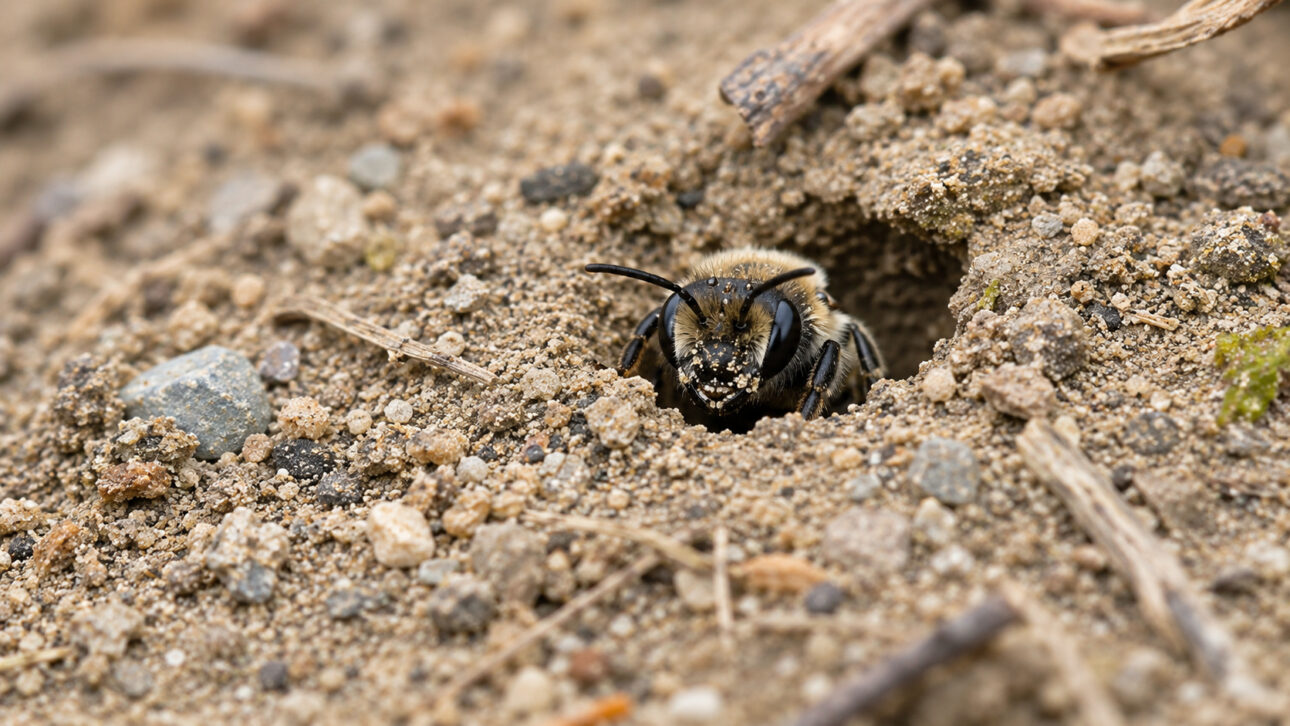
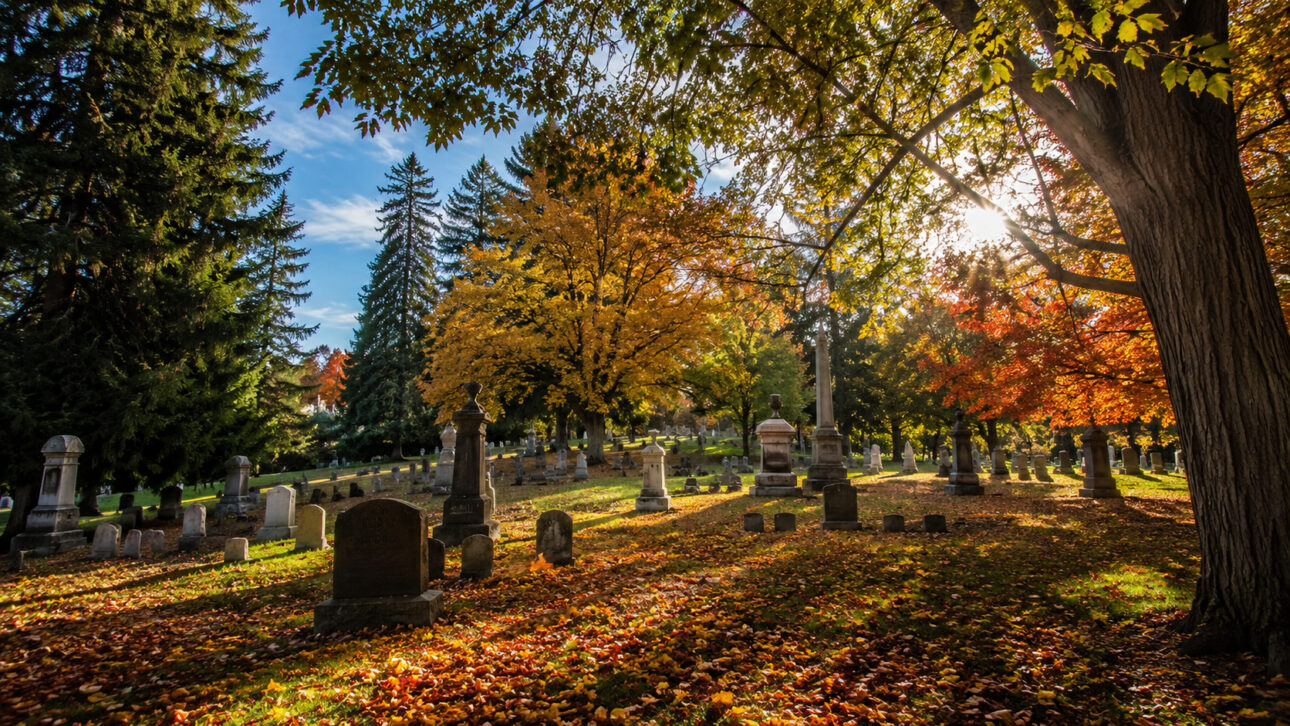
A scientific discovery made in the state of New York has transformed a common cemetery into one of the most studied locations by pollination experts. Researchers identified about 5.5 million bees of the species Andrena regularis living beneath the soil of East Lawn Cemetery, located in the city of Ithaca, United States.
The study was published in the scientific journal Apidologie and showed that the area hosts one of the largest and oldest concentrations of bees that build underground nests ever documented. The research also highlighted the ecological importance of these populations for maintaining biodiversity and agriculture.
A casual observation led to an extraordinary discovery
The story began when Rachel Fordyce, a technician at an entomology lab at Cornell University, noticed an unusual number of bees flying around the cemetery where she used to park her vehicle.
-
Cold War Secret Plane Lost Engine Mid-Flight, Forcing Six to Parachute in Darkness; Wreckage Remains in Death Valley Mountains 73 Years Later

-
Opened in 1980, Shopping Recife was Pernambuco’s first mall and helped transform Boa Viagem into a bustling and sought-after district in southern Recife.
-
Tired of Monthly Water Supply, South African Villagers in Limpopo Connect Mountain Spring to Taps, Bringing Water to 5,000 People with $700 Initiative

-
Rare Case of Neurocysticercosis in Spain: 60-Year-Old Man’s Suspected Brain Cancer Turns Out to Be Tapeworm Cysts, Avoiding Invasive Cancer Treatments





Curiosity led the researcher to collect some specimens and send them for analysis. The material was presented to entomologist Bryan Danforth, who quickly identified the species as Andrena regularis, a wild bee known for building its nests directly in the soil.
The initial observation revealed something much larger than they imagined. Subsequent surveys showed that millions of individuals occupied practically the entire extent of the cemetery.
Scientific investigation confirms one of the largest concentrations ever recorded
The study was conducted by Steve Hoge, then an undergraduate student in Danforth’s lab. The research analyzed the biology of the species and mapped the impressive size of the underground colony.
Data presented by the researchers indicate that the site is among the largest known concentrations of this type of bee. Scientific records consulted by the team point to few similar cases on a comparable scale.
Statements given by Hoge to the portal Phys.org reinforce that other large populations may exist in different parts of the world. However, the available scientific literature places the Ithaca case among the most significant ever documented.
Bees play a fundamental role in agriculture
The relevance of the discovery is not only in the number of insects found. The studied species acts as an important pollinator for various agricultural crops.
Researchers especially highlighted the contribution of these bees to the production of apples, one of the most valuable and representative agricultural products of the state of New York.
The article also presented innovative methods to document aspects of the biology of these bees. Such information helps scientists better understand the behavior of solitary species that are still little studied.

Cemeteries can function as true natural refuges
Features present in East Lawn Cemetery help explain the success of the bee population. The tranquility of the environment, the absence of pesticides, and the low soil disturbance create favorable conditions for the construction and maintenance of nests.
Reports from Keven Morse, the cemetery superintendent, show that the site hosts an impressive diversity of animals. Deer, geese, hawks, foxes, and coyotes are part of the fauna observed in the area.
Previous research has already identified ancient cemeteries as important biodiversity reserves, especially in urban regions of Europe. The Ithaca case reinforces this perception and expands scientific interest in these environments.
Preservation of these places gains importance after the study
Assessments made by Bryan Danforth and published by the portal Science Daily highlight the need to protect areas used by bees that nest in the ground.
Nesting sites play an essential role in the survival of these species and in maintaining the pollination services that sustain various ecosystems and agricultural activities.
The discovery recorded in New York shows that seemingly common spaces can hide impressive natural phenomena. How many other giant bee populations still remain unknown beneath urban areas around the world?