






 Portuguese
  Spanish


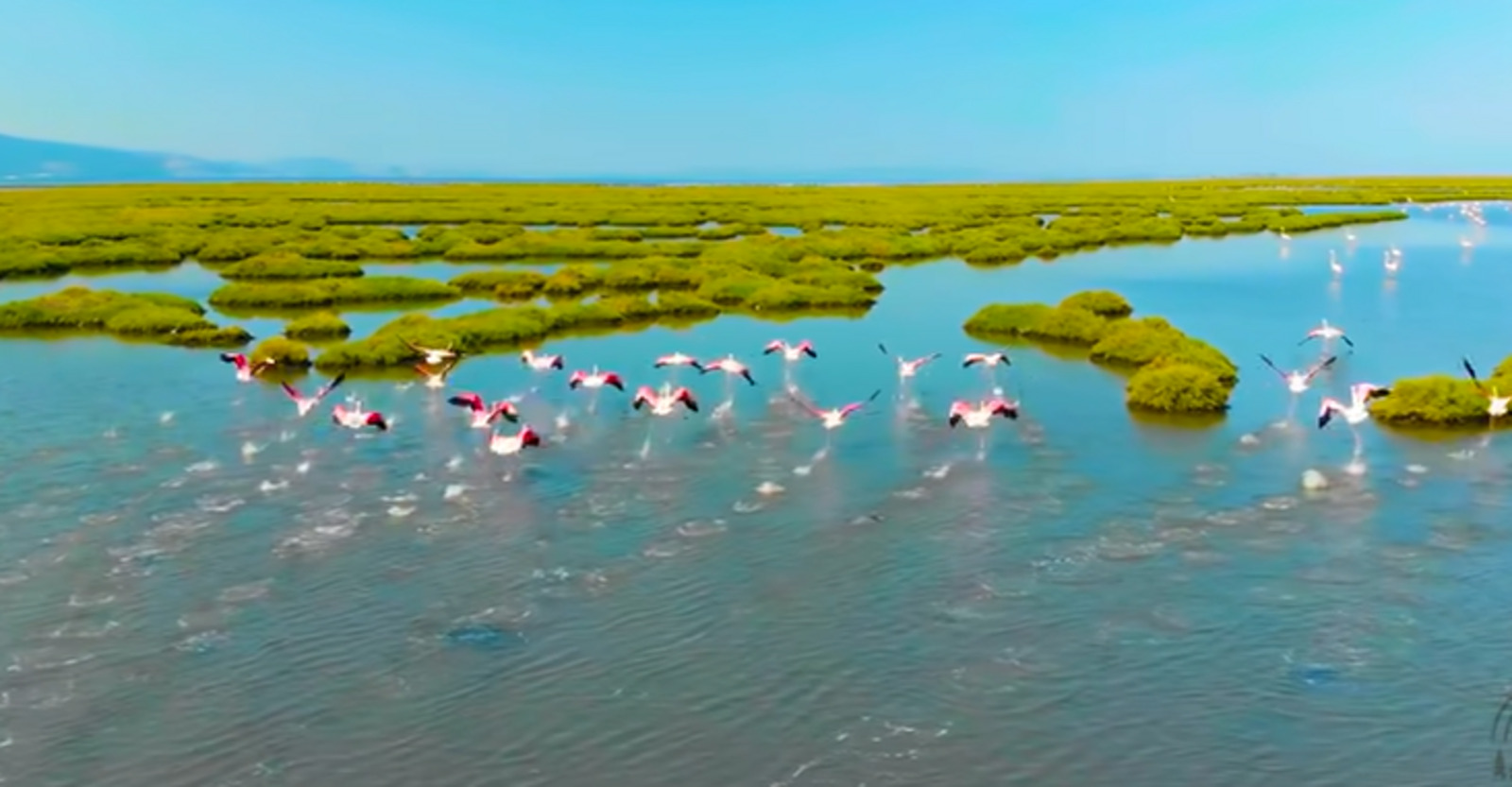


Municipality on the banks of the Paraguay River Concentrates Biodiversity, Historical Heritage, Park Road with More Than 70 Bridges and Operates as the Third Largest River Port in Latin America on the Regional Border
Corumbá concentrates about 60% of the Brazilian Pantanal, houses more than 70 bridges on the Park Road, and acts as the third largest river port in Latin America on the border with Bolivia and Paraguay.
Corumbá, a municipality located on the banks of the Paraguay River and on the border with Bolivia, concentrates about 60% of the Pantanal territory, gathers historic heritage, strategic biodiversity, and tourist infrastructure that consolidates it as the main gateway to the largest floodplain on the planet.
Known as the “White City” due to the light color of its limestone soil, Corumbá serves as a geographic sentinel of the Pantanal, controlling waterway, road, and tourist access in one of the most sensitive environmental regions in Brazil.
-
Amazonas Updates Flag After Over 40 Years to Represent All 62 Municipalities in Historic Legislative Decision

-
Going to travel and leave your pet alone? Brazilian city creates strict rule, targets temporary abandonment, and can fine dog and cat owners up to R$10,000.
-
Traffic jammed between BH and Nova Lima may get significant relief with the Viaduto Ferradura, a R$ 48 million project that promises to connect MG-30 and MGC-356 without passing through the Belvedere junction.

-
Rio Pinheiros catches the attention of those passing by the bike path with less strong odor, more capybaras and birds on the banks, a reduction of up to 55% in organic matter, and a record removal of trash in São Paulo.


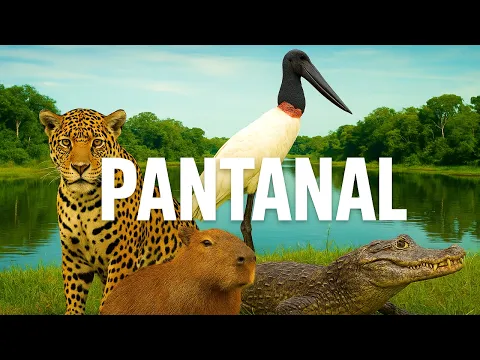
The municipality is the largest in Mato Grosso do Sul in territorial extension and accounts for the largest continuous area of the Pantanal, a condition that increases the chances of wildlife sightings, including the jaguar, the main symbol of local biodiversity.
The tourist offer is structured in Pantanal inns and boat hotels that operate directly on the rivers and flooded areas, allowing visitors to remain immersed in the natural landscape with logistics and safety.
In addition to the ecosystem, Corumbá preserves a relevant urban set. The General Port Building, by the Paraguay River, is registered by IPHAN and reflects the commercial cycle of the early 20th century, according to the institute itself.
The historic architecture integrates with the border dynamics with Bolivia, influencing habits, commerce, and cuisine, creating a cultural experience that expands tourism beyond wildlife observation.

Tourist Infrastructure and Direct Contact Routes with the Pantanal
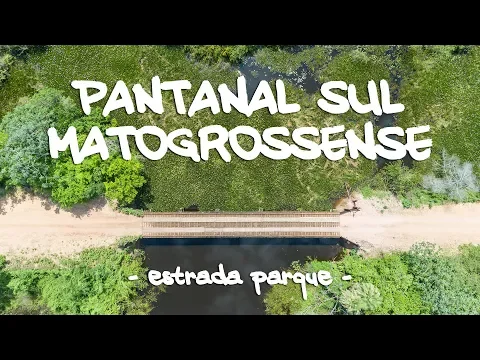
The tourist experience in Corumbá is divided between the urban historical center and the Pantanal Park Road, a dirt road that crosses flooded areas and functions as a permanent ecological corridor.
The route has more than 70 wooden bridges and is used for photographic safaris, researcher movements, and species observation in their natural habitat, with controlled traffic.
Navigating the Paraguay River at sunset is one of the most sought-after itineraries, allowing visitors to visualize the interaction between water, sky, and vegetation in one of the most characteristic scenes of the Pantanal.
Sport fishing is another central axis of the local tourism economy. The city has a professional structure of boat hotels that operate during the allowed season, respecting the piracema period.
At the same time, observation tourism is consistently growing, attracting visitors interested in silence, photography, and direct contact with the forest, reducing impacts on wildlife.
Historical Heritage, Museums, and Natural Lookouts
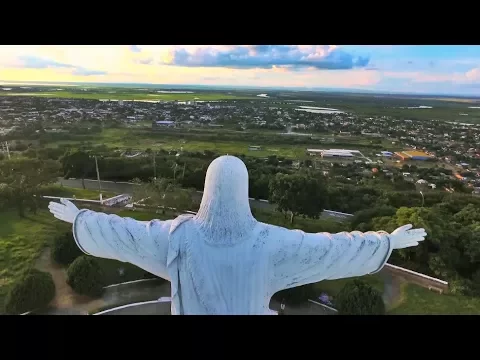
Among the urban visitation points, the Cristo Rei do Pantanal is located on top of Morro do Cruzeiro and offers a 360º panoramic view of the city and the floodplain.
The Junqueira Fort, a military construction from 1871, preserves original cannons and is situated within the Army barracks, with a strategic position facing the river.
The Muhpan, Pantanal History Museum, presents interactive exhibitions about human occupation and regional biology, serving as a center for environmental education and support for conscious tourism.
These facilities complement the natural experience, connecting historical data, territorial defense, and social formation of the Pantanal region to the visitor.
Climate, Seasonality, and Travel Planning
The Pantanal operates under well-defined cycles of flooding and drought, and the choice of visit period completely alters the landscape and experience, according to historical records from Climatempo.
During the dry season, the concentration of animals facilitates sightings, while the flooding increases water mirrors and transforms roads into temporary waterways.
The heat in Corumbá is intense for most of the year, requiring planning with hydration, sun protection, and appropriate clothing, a factor that directly impacts tourist logistics.

Regional Role and Information Dissemination
A video from the channel Cidades & Cia, which has more than 186 thousand subscribers, presents Corumbá as the “Capital of the Pantanal,” detailing history, economy, and attractions, according to the channel itself.
The content highlights the city as the third largest river port in Latin America and its strategic location at the triple border between Brazil, Bolivia, and Paraguay.
Corumbá establishes itself as a center for ecological tourism and sport fishing, bringing together nature, historical heritage, and a unique logistical position in the heart of the Pantanal, even in the face of ongoing climate and preservation challenges.
With information from Correio Braziliense.






