Portuguese
  Spanish


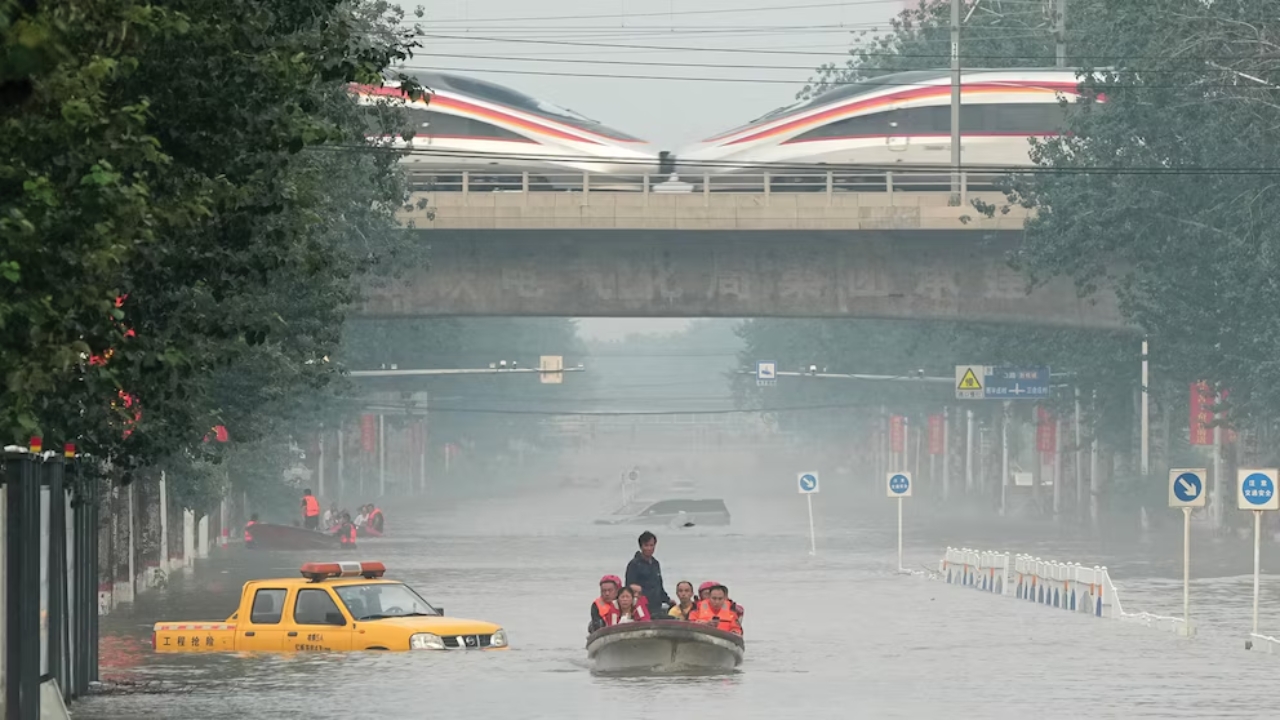


The Capital of Indonesia Faces Accelerated Sinking, Recurring Flooding, and Urban Pressure, with Direct Impacts on Infrastructure and Quality of Life
Jakarta, the most populous city in the world, is experiencing a critical scenario: the ground is sinking at an accelerated pace, putting the daily lives of nearly 42 million inhabitants at risk.
The problem is a combination of intense urban growth, a lack of essential services, and an environmental crisis that increases the vulnerability of entire areas, especially in the northern zone.
With high density and rapid expansion, the city faces challenges affecting mobility, housing, sanitation, and safety in the face of more extreme climatic events.
-
11-Year-Old Entrepreneur Turns Fear of Bees into Honey Lemonade, Wins $60,000 on Shark Tank, Secures Whole Foods Deal, and Expands Brand Across U.S. Stores

-
9-Year-Old in Brazil Sells Homemade Sweets to Support Grandfather with Parkinson’s, Family Dreams of Buying Candy-Making Machine

-
Man Disguises as His Own Mother to Collect €3,000 Monthly Pension, but Makeup and Beard Stubble Raise Suspicions at Registry Office

-
Brazilian Airport to Receive $2.8 Million Investment, Completion Expected Within a Year





What Happened and Why It Got Attention
Jakarta has been treated as the largest city on the planet, with an estimated population of nearly 42 million. This position gained strength with recent changes in the statistical methodology used in international surveys.
The demographic dimension draws attention for exceeding, in number of inhabitants, the sum of the Netherlands, Belgium, and Portugal, in addition to being above Canada and Australia. The total also approaches the population of Argentina.
This population weight puts pressure on services, infrastructure, and natural resources, creating an urban environment with striking contrasts between modern areas and informal neighborhoods.

Why Jakarta Is Sinking
The sinking occurs due to a combination of natural and human factors. Excessive extraction of groundwater plays a central role, reducing underground support and accelerating subsidence.
The weight of urban infrastructure also contributes to the lowering of the ground, along with the natural subsidence of sediments. In several areas, the ground descends by several decimeters per year.
The situation is more severe in the northern part of the city, where portions of the territory are already below sea level, increasing exposure to flooding and the advance of the ocean.
Lack of Drinking Water Increases Pressure on Aquifers
The drinking water network does not adequately serve a large portion of the population. This causes many residents to resort to drawing water from aquifers.
This constant use reinforces the cycle of subsidence, as the underground loses stability, causing the ground to lower more rapidly.
The result is evident in the form of weaker streets, homes, and urban structures, with a greater risk of damage and interruptions in basic services.
Frequent Flooding and Growing Risk in the Coastal City
As a coastal city, Jakarta faces increasingly frequent flooding. Rising sea levels and extreme rainfall exacerbate the situation.
The combination of a higher sea and intense storms increases flooding events, impacting infrastructure, transportation, and work routines.
With the ground sinking, water finds it easier to invade urban areas, turning extreme events into a permanent concern.

Ongoing Projects to Protect the City
One of the main responses involves the Giant Sea Wall, a coastal defense system designed to reduce sea encroachment and protect vulnerable areas.
A program for the restoration and normalization of urban rivers is also underway, focusing on improving drainage and reducing the impact of flooding.
In transportation, there is an expansion of metro lines and light rail systems, aiming to relieve congestion and reduce pollution.
Capital Relocation to Nusantara and the Limitations of the Measure
The broader strategy envisions the partial transfer of central administration to Nusantara, on the island of Borneo. The idea is to redistribute the territorial pressure currently concentrated in Jakarta.
Nonetheless, the move faces administrative challenges and does not immediately reduce the high economic density of the city.
Urban life continues to be marked by high demand for services, jobs, and infrastructure, which keeps the metropolitan center under significant pressure.
Points of Attention in Daily Life and the Economy
Overcrowding affects mobility, basic services, and quality of life. The contrast between business districts and informal neighborhoods reinforces social fragmentation.
Constant traffic and transportation saturation reduce productivity and increase economic costs, with repercussions on the national economy.
Together, climatic risks and the impacts of subsidence test urban resilience and the safety of those living in the metropolitan area.
Jakarta gathers nearly 42 million inhabitants and faces an accelerated sinking that threatens infrastructure and living conditions, especially in areas already below sea level.
With more frequent flooding and responses still underway, the challenge remains at the core of the urban future of the capital, requiring adaptation and reduction of vulnerabilities without pause.