






 Portuguese
  Spanish


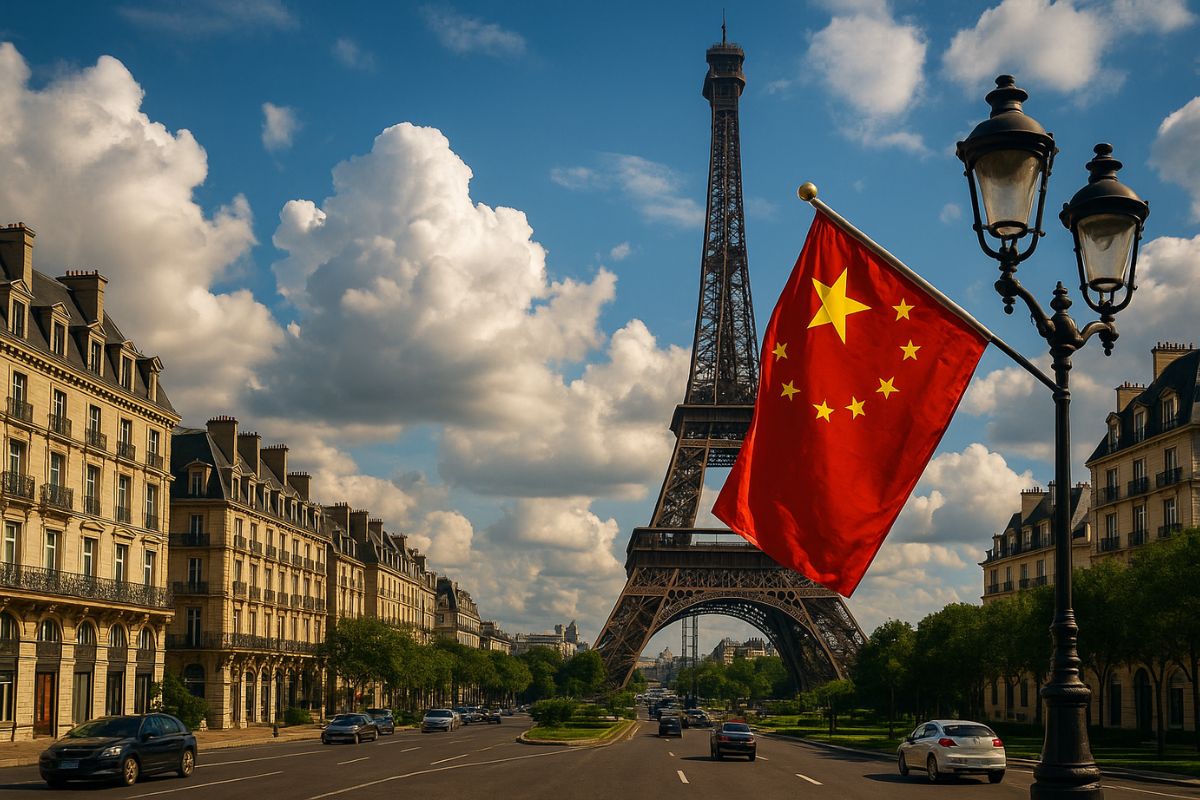


Tianducheng, in Zhejiang Province, Was Designed to Replicate the French Capital But Its Destiny Followed a Very Different Path Than the Original.
The China is known for its ability to replicate and reinvent, but no copy is as surprising as Tianducheng, the city designed to be an almost identical version of Paris. Located on the outskirts of Hangzhou, the project features a 108-meter tall Eiffel Tower, European-style buildings, and even a replica of the Champs-Élysées.
When it opened in 2007, Tianducheng symbolized the peak of Chinese urban growth. The plan was simple: to offer a “Parisian” lifestyle to the country’s new middle class. But the reality was different. The venture, valued at billions of dollars, remained nearly empty for years, earning the nickname of “ghost city” until it gradually began to revive.
A Paris on Chinese Soil
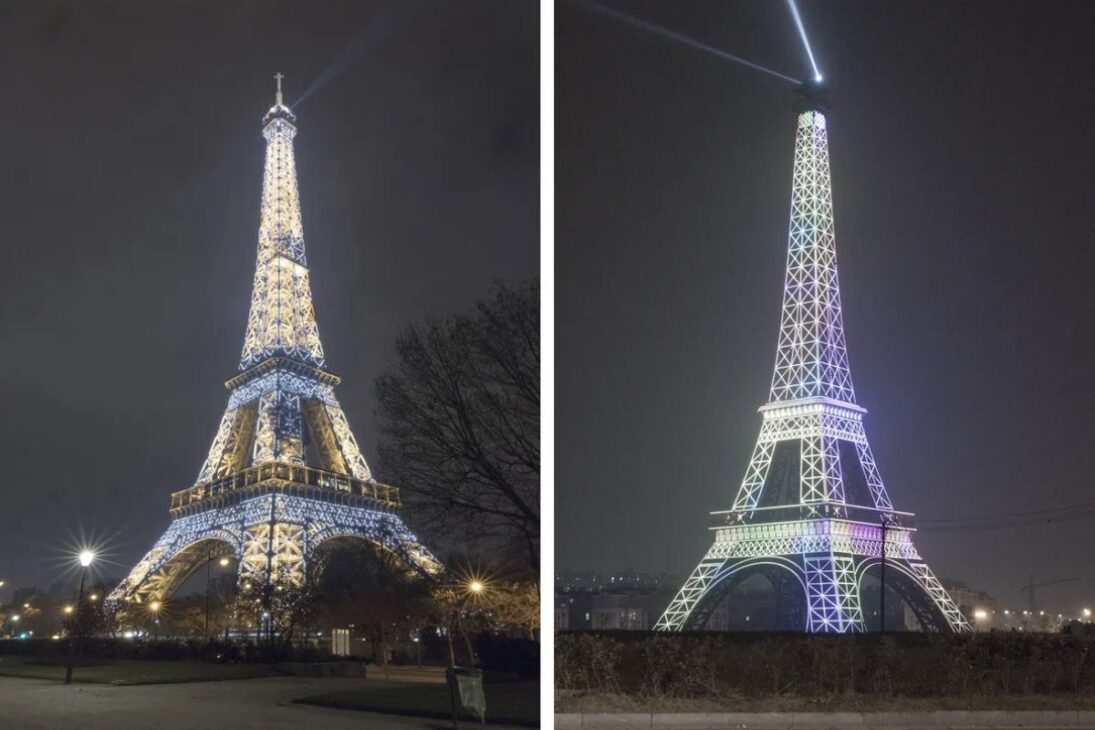
Photo by François Prost
The French inspiration is in every detail of Tianducheng. The replica of the Eiffel Tower, standing one-third the height of the original, dominates the skyline.
-
1925 Lighthouse on Lake Erie Undergoes Technical Restoration, Involving Boat Transport of Materials and Preservation of Maritime Signals

-
From Cars and Motorcycles to 15-Meter Truck Operator: She Works at 4,800 Meters in Argentina’s Veladero Gold Mine, Where 16% of Workers Are Women

-
1,600-Year-Old Byzantine Christian Lamp Shaped Like a Sandaled Foot May Have Biblical Origins
-
Brazilian Researchers Develop Cassava Starch and Grape Peel Packaging That Changes Color to Indicate Spoilage of Meat and Fish


Wide streets, ornamental fountains, and buildings in Haussmann style recreate Parisian charm, while gardens and squares remind one of the landscaping of the Luxembourg Gardens.
The project also included a version of the Champs-Élysées and a replica of the Latona Fountain from the Palace of Versailles.
In total, the city covers over 31 square kilometers, planned to accommodate about 100,000 people.
The aim of China was to combine luxury and modernity, creating a symbol of national economic rise. But instead of glamour, Tianducheng lived through years of silence and abandonment—a Paris without Parisians.
The Dream That Turned Into a Ghost Town
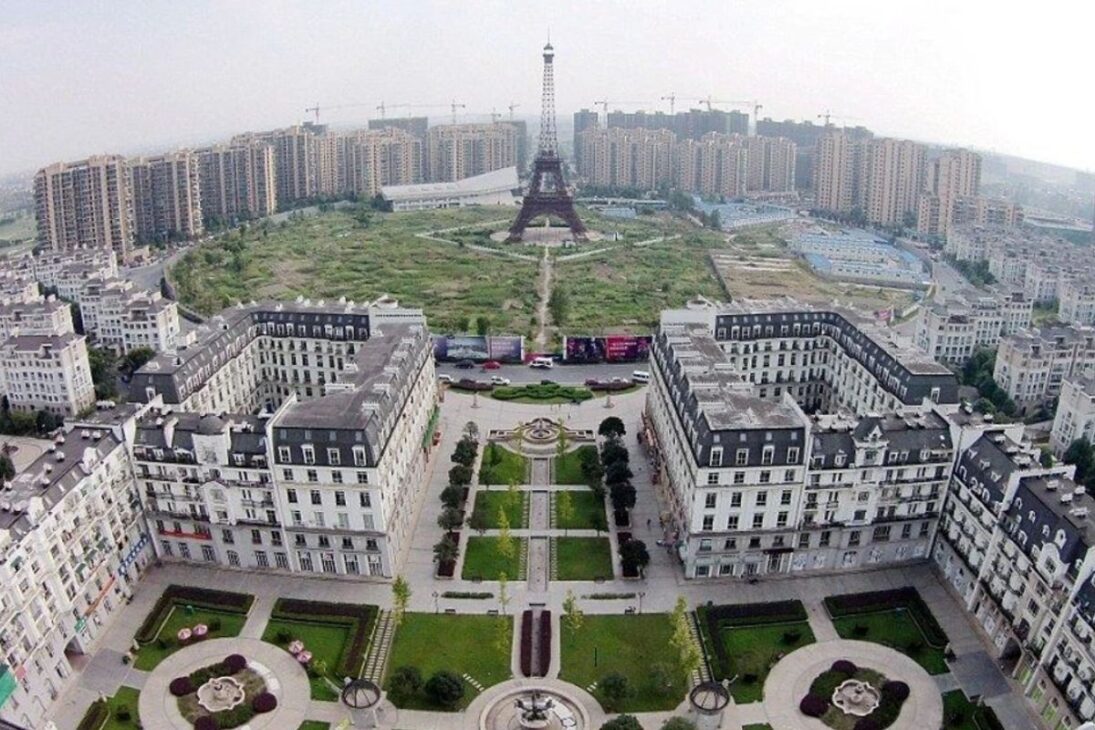
In the early years after its inauguration, Tianducheng was a stage for one of the biggest urban contrasts in China: immaculate streets but empty.
With fewer than 2,000 residents in 2013, the city became an example of the so-called “ghost towns”, a common phenomenon in oversized real estate projects.
The high property prices drove away buyers, and without local commerce or efficient transport, the “Chinese Paris” seemed doomed to oblivion.
Fountains dried up, squares became deserted, and the imposing tower became a backdrop for weddings and curious videos on social media.
But the story didn’t end there.
The Revitalization and the New Rhythm of the City
Starting in 2017, Tianducheng began to gain new life. The population surged to about 30,000 inhabitants, attracted by lower prices and expanding infrastructure.
The inauguration of the Huangheshan station of Hangzhou’s Metro Line 3 in 2022 connected the city to the urban center and boosted occupancy.
Today, Tianducheng houses factory workers and local families, with commerce, schools, and community spaces.
There is still much to develop, but the city has lost its ghost title and turned into a living curiosity: a piece of Paris with a Chinese soul.
The French style is still present in the buildings, avenues, and the lights of the artificial Eiffel Tower, but life is typically local: clothes hanging from windows, children in the squares, and markets with traditional products.
Original Paris vs Chinese Paris: Similarities and Contrasts
Despite the visual similarities, the differences between Paris and Tianducheng are evident.
The French capital has over 2 million residents in 105 km², while the “copy” in China has about 30,000 residents and a much lower density.
The architecture is similar, but the atmosphere is opposite. Paris pulsates with culture, art, and tourism; Tianducheng is calmer, more communal, and introspective.
The cost of living also differs: while living in Paris is an expensive privilege, residing in Tianducheng has become affordable for the local working class after the drop in apartment prices.
The Chinese Eiffel Tower measures 108 meters, about one-third the height of the original monument, and the local “Champs-Élysées” avenue is serene without the traffic, luxury, and hustle of Paris.
An Urban Experiment That Reveals the Spirit of Modern China
Tianducheng is more than a replica: it is a symbol of ambition and contradictions of Chinese urbanization.
The country has built dozens of cities inspired by foreign styles, but few have achieved the notoriety and resilience of this “Paris of the East.”
Today, the space beneath the replica Eiffel Tower is being transformed into a shopping center, scheduled for completion in 2027.
The city evolves, adapting the European dream to the Asian reality and showing that in China, even copies can create their own identity.
Would you live in a city that is a replica of Paris? Do you think projects like this reflect creativity or artificiality?Leave your opinion in the comments; we want to know how you see this Chinese urban experiment.


