






 Portuguese
  Spanish
  2 min of reading
  0 comments


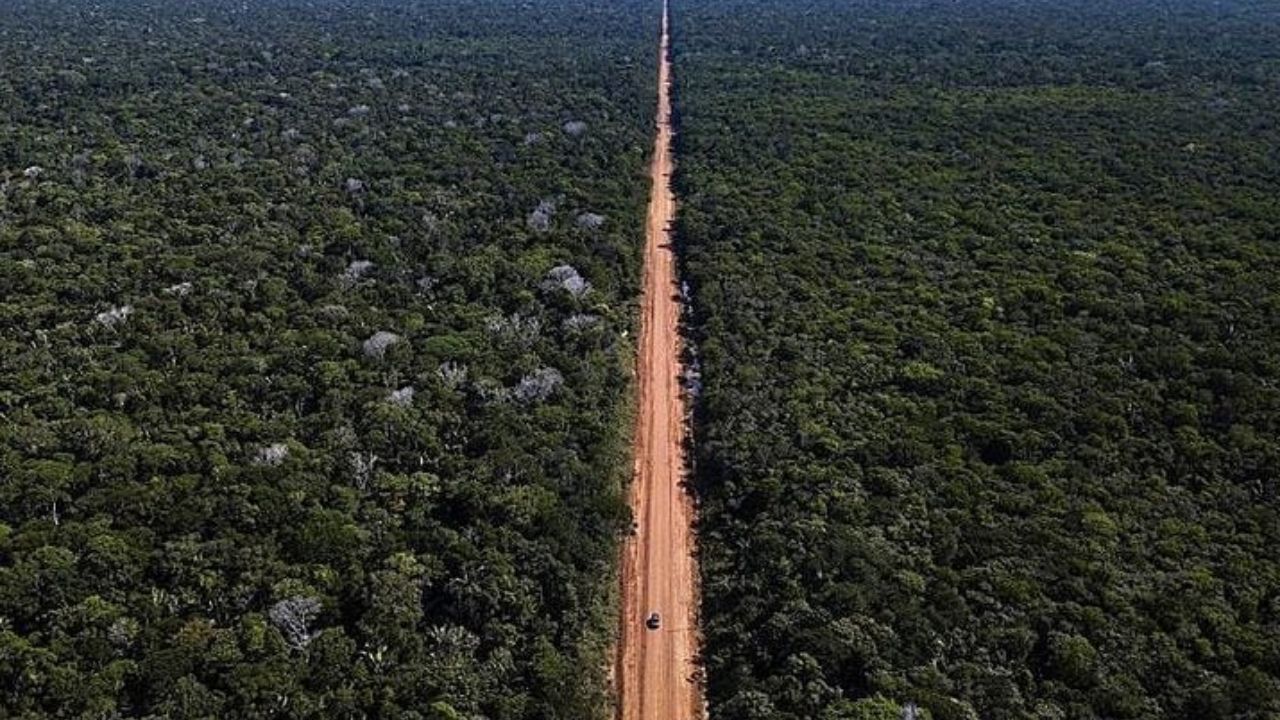
With More Than 4,000 Km, the Road That Cuts Through the Amazon Faces an Unyielding Nature and Leaves a Legacy of Social and Environmental Challenges.
Begun during the Médici government as part of the National Integration Plan (PIN), its construction was justified by the slogan “Integrate to Avoid Delivering.” A strong propaganda campaign, featuring the slogan “Landless Men for a Land without Men”, ignored the peoples who already lived in the region. In practice, the goal was to open the forest for resource exploitation by large companies.
A Perpetual Construction: The Engineering Challenges in the Jungle
The engineering of the Transamazon Highway faces a continuous battle. Most of its 4,223 km opened are unpaved and become an impassable quagmire during the rainy season. The unstable soil and rivers require constant containment works by the DNIT. The highway is not a finished project, but a never-ending cycle of construction, collapse, and reconstruction.
Deforestation and the Fishbone Pattern
The highway created the “fishbone” deforestation pattern. Illegal local roads branch off from the main axis, paving the way for timber exploitation, mines, and pastures. Satellite data from INPE confirms that the majority of Amazonian devastation is concentrated along the roads, making the project a recognized environmental disaster.
-
Bolivian Female Construction Workers Form Association to Combat Discrimination and 38% Pay Gap in the Industry

-
Near Amsterdam, residents buy land and discover they must also build streets, manage drainage, handle waste, and grow food on half their plot.
-
Brazil’s WEG to Open New Factory in China by 2027, Expanding Production of Large Rotating Electric Machines and Low to Medium Voltage Motors in Rugao

-
Chinese Shipyard Secures $1 Billion in Orders for Low-Carbon Container Ships Amid Global Fleet Renewal Efforts


The Construction of Human Drama
The construction of the road was a catastrophe for indigenous peoples, such as the Tenharim, who suffered from diseases, violence, and land invasion, leading to a population collapse. For settlers, the promise of “land” turned out to be an illusion, resulting in the failure of colonization, poverty, and intense land conflicts that benefited large landowners.
Between the Asphalt and the Mistakes of the Past
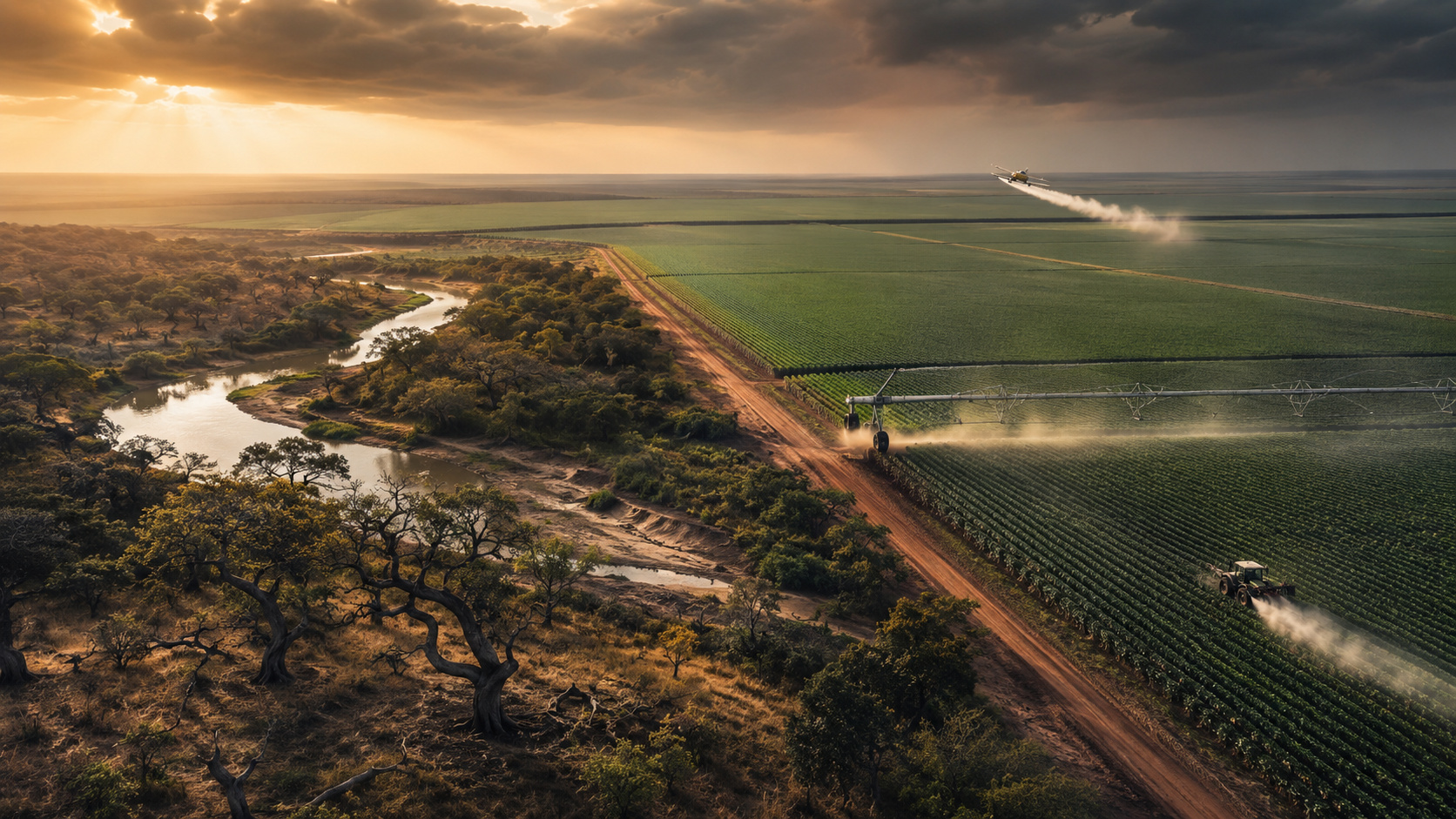
Today, BR-230 is a road of contrasts, featuring modern sections and other abandoned ones. New government investments for construction and paving rekindle an old debate: on one side, the agribusiness supports the project as an export corridor; on the other, environmentalists warn about the risk of repeating the same mistakes, expanding deforestation and conflicts.






-

1 person reacted to this.