Portuguese
  Spanish


According to CNN Brazil, young people from Minas of the Amigos Droids team won the FIRST Championship 2026 in Texas, against a thousand teams and more than 50,000 participants, with a flexible robot without screws or metal parts, while Sofia Lana received an unprecedented leadership award for Brazil in the world student robotics.
The young people from Minas of the Amigos Droids team placed Brazil in an unprecedented position at the FIRST Championship 2026, an international robotics competition aimed at elementary and high school students, held in Texas, United States.
According to CNN Brazil, the Brazilian group faced a tournament with a thousand teams and more than 50,000 participants. The victory marked Brazil’s first win in the award and placed the country in a select group of winners outside the United States.
Screwless robot caught attention for its structure
The Amigos Droids team stood out with a resilient and flexible robot, built without screws or metal parts. The solution caught attention because it deviated from a conventional structure and showed a different technical approach within the competition.
-
A network of cameras created to hunt down stolen cars recorded over 1 million alerts in a single American city in one year, overwhelmed the police, and forced the department to disable precisely the feature that was supposed to be the system’s strong point.

-
It seems like an invented animal, but it really exists: meet the only mammal with scales on the planet and find out why it is disappearing.
-
Son of a truck driver who lost his income after a work accident, he grew up in a low-income family, was the first to attend college, took over a small chain of coffee shops, and transformed Starbucks into a global giant with over 38,000 stores in more than 80 countries.

-
Detectorist found a 900-year-old silver coin





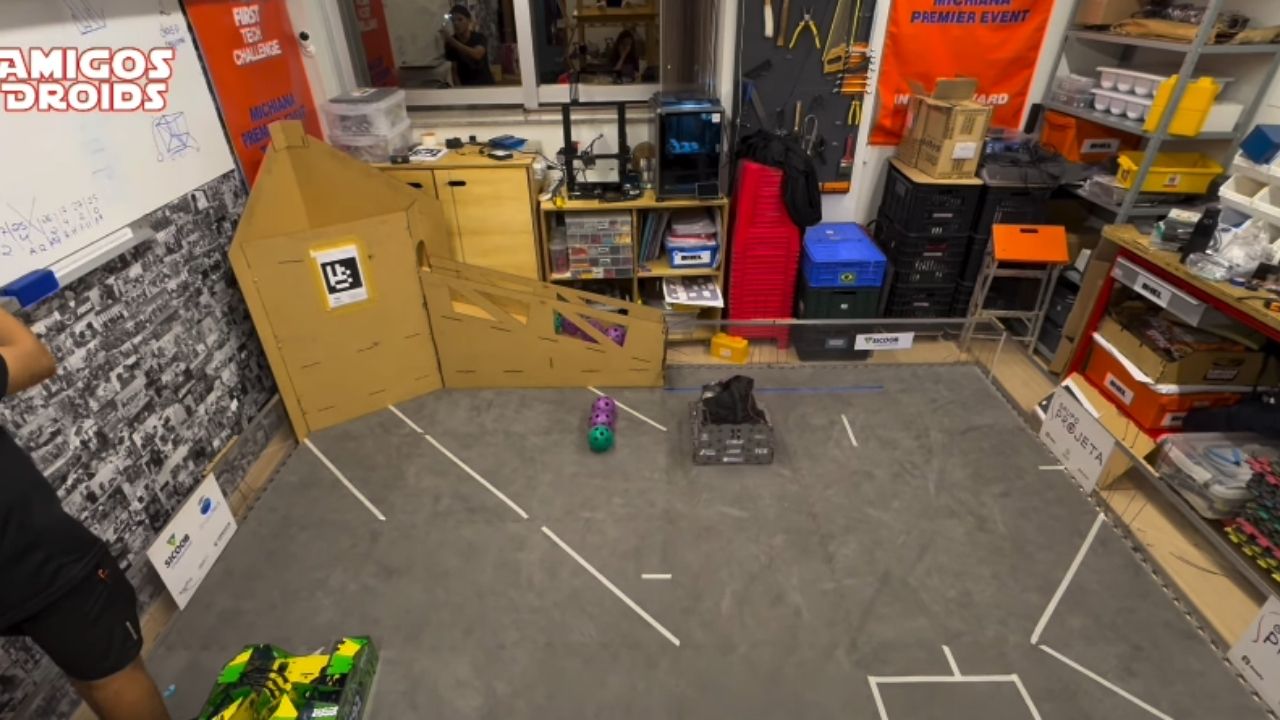
According to the source, the project was developed by the students themselves, as required by the tournament. The differential was not only in winning but in presenting a construction capable of combining resilience, flexibility, and creativity in a high-level competitive environment.
Competition gathered a thousand teams and 50,000 participants
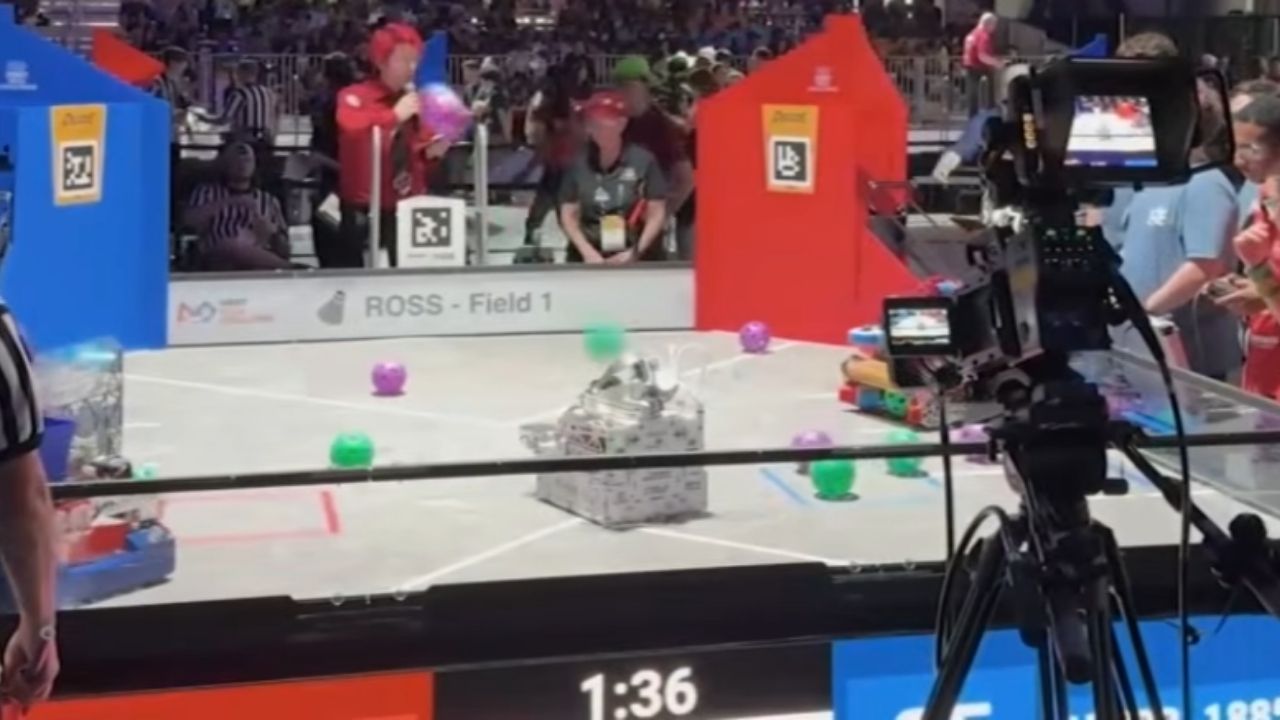
The FIRST Championship 2026 is described by CNN Brazil as one of the largest robotics tournaments for elementary and high school students. To reach the international stage, groups need to win regional phases before competing with teams from various countries.
The edition won by the young people from Minas gathered a thousand teams and more than 50 thousand participants. This volume helps to measure the achievement: it was not a local or symbolic dispute, but a global competition with projects built by students from different parts of the world.
Amigos Droids took Brazil to the Hall of Fame
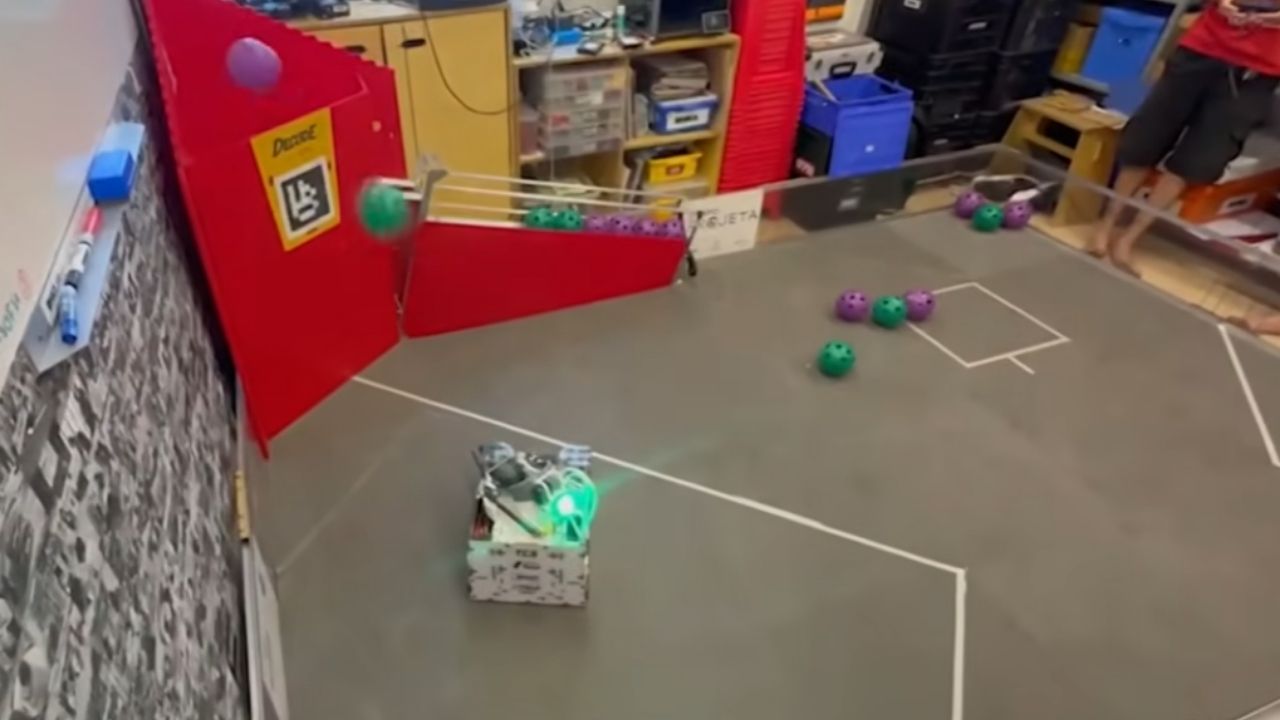
The Amigos Droids team is made up of young people aged 14 to 18. With the victory, they became the first Brazilian team to win the award in the FIRST Tech Challenge, taking Brazil to the Hall of Fame of the competition.
On social media, the group stated that the result represented work, dedication, and a journey built step by step. The Brazilian achievement was also recorded as the first time the country won this international award.
Brazil became the third country outside the United States to win
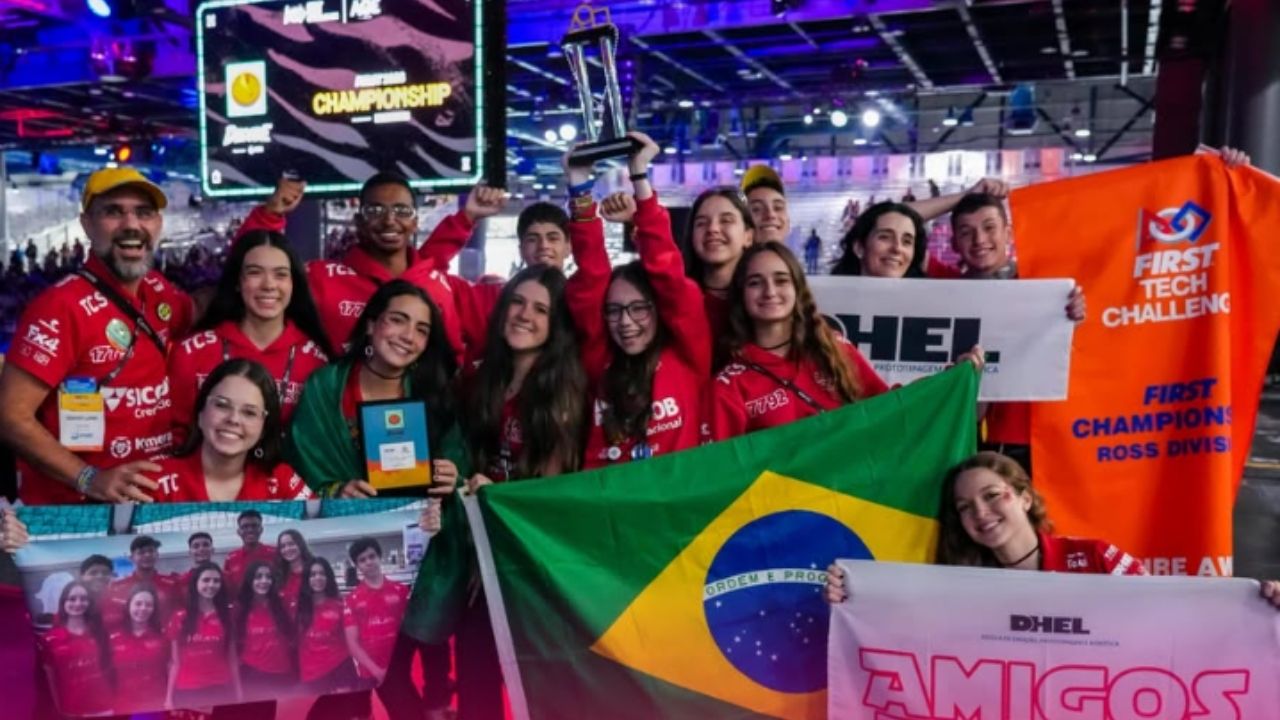
CNN Brazil reports that this was the first Brazilian victory in the award and that Brazil became the third country outside the United States to achieve this result. The data reinforces the international weight of the achievement.
For Brazilian student robotics, the milestone has technical and symbolic value. It shows that teams formed by teenagers in Brazil can compete at a high level with engineering, programming, strategy, and mechanical construction projects.
Sofia Lana received an unprecedented leadership award
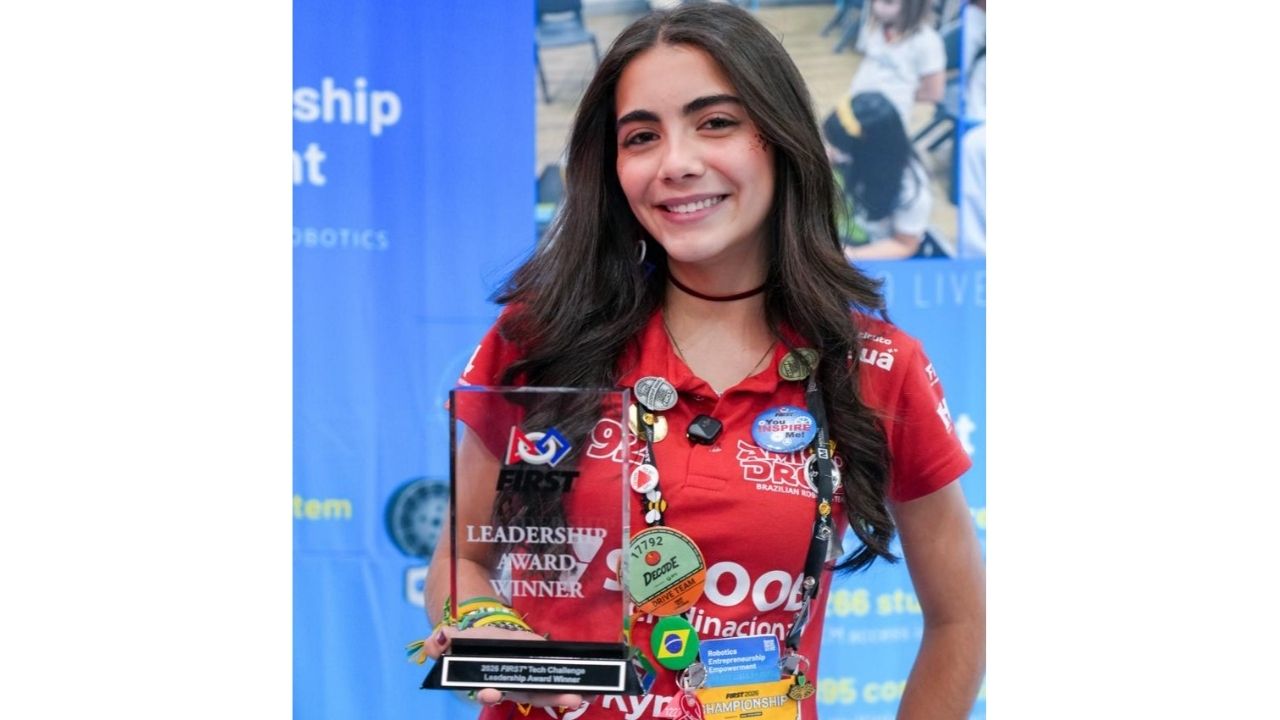
In addition to the collective title, the team received another important recognition. Sofia Lana, a member of Amigos Droids, became the first Brazilian to receive the Leadership Award, a prize aimed at young people with outstanding performance in the community.
The information broadens the understanding of the achievement. The case involves not only the robot’s performance in the arena but also leadership, community participation, and student protagonism. Sofia, at 15 years old, made history in the competition with an individual award unprecedented for Brazil.
Student robotics goes beyond the arena


The result of Amigos Droids shows that robotics competitions are not just about assembling machines. Students need to design, test, adjust, defend ideas, and work as a team for the robot to function in a competitive scenario.
In this context, the young people from Minas stood out both for the technical solution and for their ability to represent the country in an international competition. The combination of a robot without metallic parts, an unprecedented victory, and a leadership award made the Brazilian participation broader than a simple sports result.
What this victory reveals about Brazilian youth in technology
A achievement of the Amigos Droids in Texas shows that student robotics can pave the way for engineering, technology, leadership, and innovation even before university. When young people have access to competitive projects, they start solving real problems with method, creativity, and collaboration.
The question that remains is straightforward: should Brazil invest more in robotics teams in schools, institutes, and communities to uncover new talents in technology? Do you think victories like this can change the way the country views scientific education? Leave your opinion in the comments.