






 Portuguese
  Spanish





From Its Privatization in 1996 to the Critical Decision of the TCU in 2025, Understand the Journey of Abandonment of the Western Network and the Race Against Time to Save One of Brazil’s Most Strategic Logistics Corridors.
The story of the Western Network is the chronicle of a sleeping giant. A strategic asset for Brazil that, over decades, has suffered from neglect and underinvestment. To understand the decisive impasse that the railway faces in 2025, one must go back in time and follow the chain of events that led to its degradation and the current race against the clock to ensure its future.
The trajectory of this 1,973 km corridor, which cuts through Mato Grosso do Sul and São Paulo, is marked by changes of control, unfulfilled promises, and more recently, a regulatory dispute that puts billions in investments and the flow of production from two of the most vital sectors of the Brazilian economy: pulp and mining.
1996 – 2015, The Era of Privatization and Progressive Abandonment
The modern journey of the Western Network begins on March 5, 1996, with the privatization auction of the former Rede Ferroviária Federal S.A. (RFFSA). The concession was won by Ferrovia Novoeste S.A., which began operations on July 1, 1996 under a 30-year contract.
-
Railway returns to prominence in Brazil after STF approval: a R$ 25.2 billion project promises to save R$ 9 billion in freight, transport 50 million tons per year, and transform Sinop into a logistics powerhouse for agribusiness.

-
Retired trains leave European tracks and become tons of steel, aluminum, and copper in dismantling yards where recycling exceeds 90%, but batteries, composites, and electronics create a new frontier of railway waste.

-
The strategic railway of Santa Catarina will receive R$ 608 million, will undergo historic modernization, and could transform logistics between Mafra and the Port of São Francisco do Sul.
-
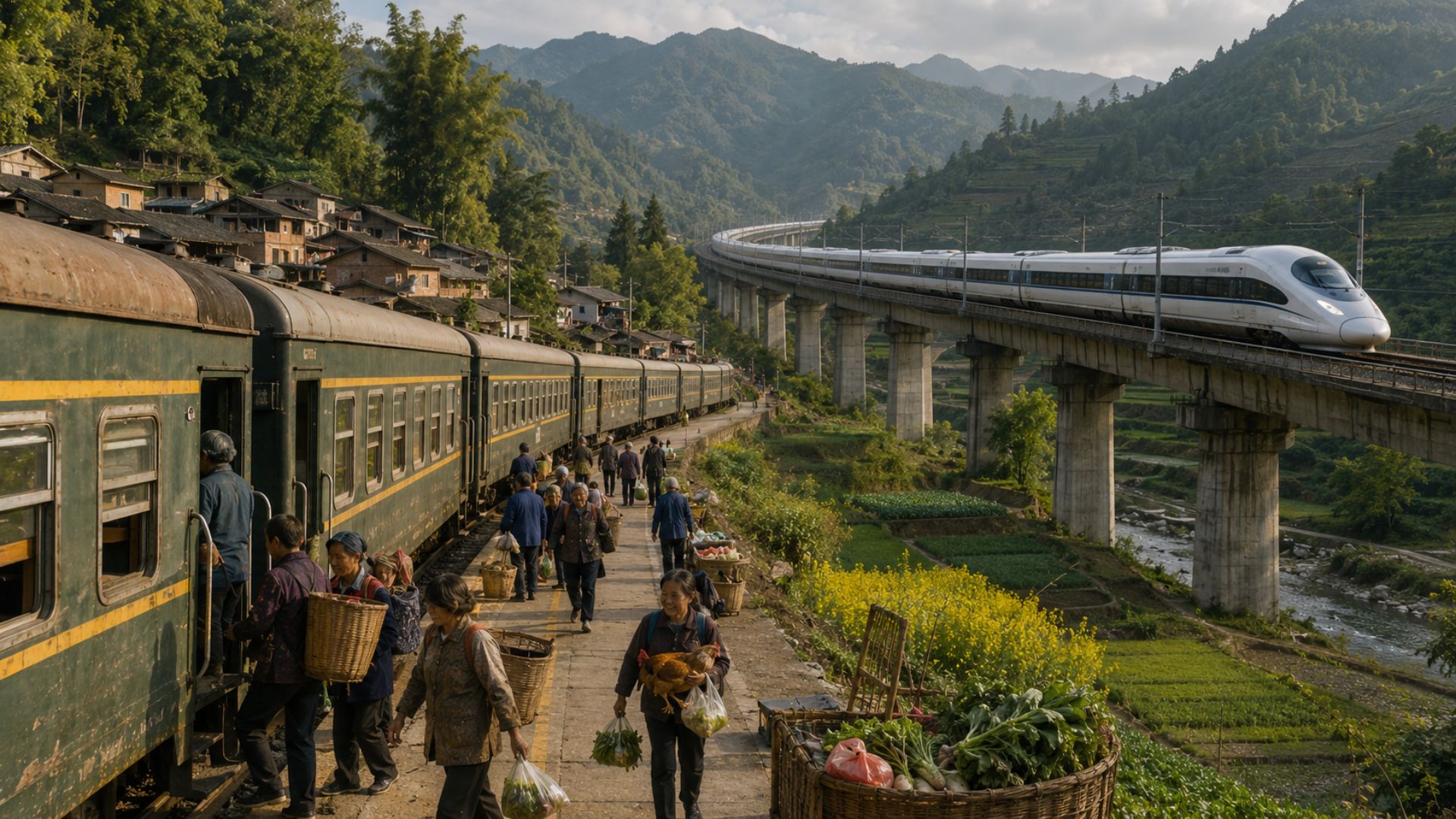
While showcasing bullet trains traveling at over 300 km/h, China maintains about 81 slow train lines that travel at 40 km/h, charge less than R$ 2 for a ticket, and cross remote villages carrying residents, students, and even chickens and vegetables to the market.


Over the years, the concession changed hands. In 2008, the company changed its name to ALL – América Latina Logística Malha Oeste S.A. The most recent turning point occurred in 2015, when Rumo Logística, a giant in the sector, took control of the operation. However, the succession of operators did not result in the necessary investments. Assessments from the federal government and the National Land Transport Agency (ANTT) were categorical: the infrastructure depreciated due to “investments at levels insufficient for its maintenance”.
2020 – 2024, The Recognition of Bankruptcy and Economic Pressure
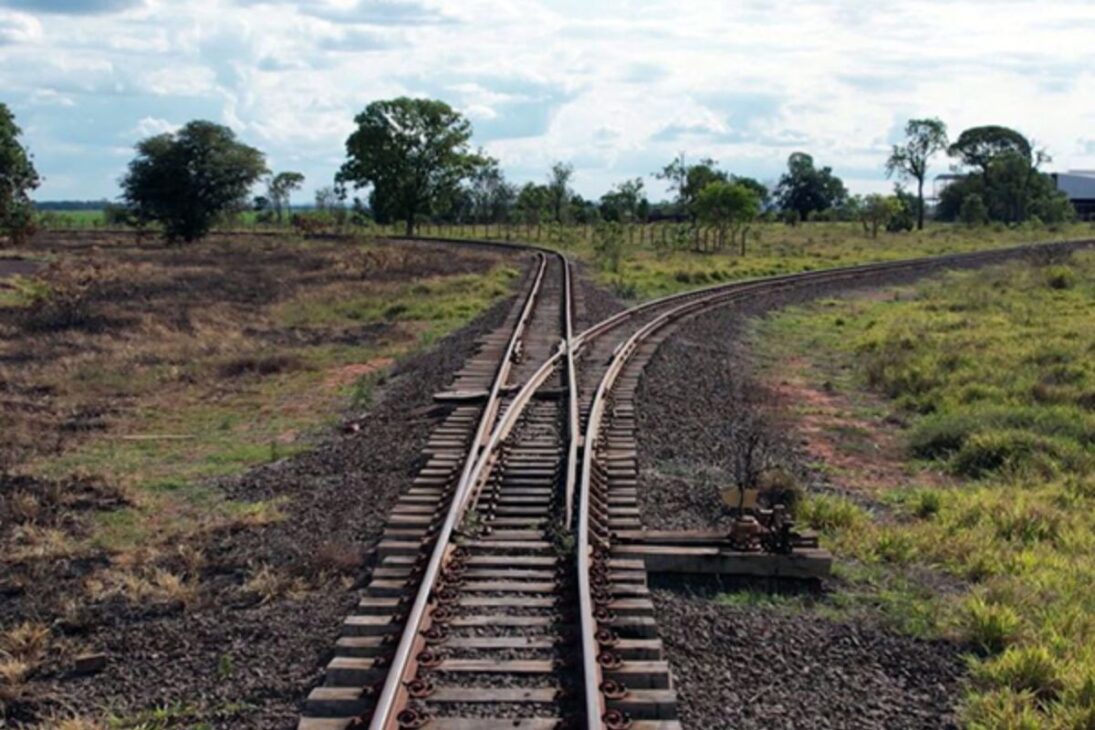
The state of abandonment was formally recognized on July 21, 2020, when Rumo itself submitted a request for “amicable return” of the concession to the ANTT. This act initiated a complex process to define a new future for the railway.
As the regulatory debate dragged on, economic pressure intensified. The eastern region of Mato Grosso do Sul was consolidating as the “Pulp Valley,” a global production hub. In 2024, Suzano inaugurated its new giant factory in Ribas do Rio Pardo, increasing the urgency for a logistical solution to export millions of tons of pulp that currently overload the BR-262 highway.
May 2025, The TCU Decision That Changes the Game About the Western Network
Faced with urgency, the Ministry of Transport and the government of Mato Grosso do Sul, led by Governor Eduardo Riedel, articulated a “consensual solution” with Rumo. The plan was to renew the contract for another 30 years in exchange for investments focused on the most lucrative sections.
However, in May 2025, the plan was blocked by a decision from the reporting minister of the Federal Court of Accounts (TCU), Aroldo Cedraz. He determined that the agreement distorted the original contract and represented a “circumvention of the bidding process,” as Rumo was not meeting the performance targets to be eligible for an extension. The decision determined that the only legal way forward would be a new public auction.
A Race for the 2026 Auction
The TCU decision set off a race against time. Rumo’s concession contract with the Western Network expires on June 30, 2026. To avoid an operational vacuum, the Ministry of Transport and the ANTT need to structure and conduct a new auction before this date.
The timeline is extremely tight, and the outcome will define not only the future of the railway but also that of entire sectors. On one side, giants of the pulp industry such as Suzano and Arauco (with a US$ 4.6 billion project for 2027) need the railway to reach the Port of Santos. On the other side, the region of Corumbá relies on the railway to transport up to 50 million tons of iron ore annually. The success of the new auction is the key to unlocking the economic potential of the heart of Brazil.








Parabéns pelo texto.
Resumido, isento e conciso.
Eu defendo uma nova licitação, com investimento parcial do governo federal, e a inclusão de novos trechos e a cisão de outros.
Poderia haver um rearranjo da Malha Centro-Leste ( FCA / VLI ), Malha Oeste, Malha Sul e Ferroeste, além da inclusão de trecho da Ferrovia Norte-Sul entre SP / MS / PR, que permitiria uma hinterlandia comum aos Portos de Santos, Paranaguá e São Francisco do Sul.