






 Portuguese
  Spanish


The government of Bahia, under the command of Jerônimo Rodrigues, is studying reactivating 600 km of tracks of the old Bahia to São Francisco Railway between Salvador and Juazeiro, with R$ 16 million from the New PAC and a partnership with a Spanish university for the feasibility study of the cargo and passenger corridor.
The government of Bahia has begun studies to reactivate 600 km of tracks of the old Bahia to São Francisco Railway (EFBSF). The historic line connected Salvador to Alagoinhas and Juazeiro, in the north of the state, and has been inactive for decades.
The proposal is to transform the old route into a modern corridor for cargo and passenger transport. The Bahia Transport Company (CTB) is conducting the studies and considers the project one of the main strategic potentials for the state’s logistical integration.
The president of CTB, Eracy Lafuente, gave an exclusive interview to the A TARDE portal about the project. “If the reactivation is viable, it will be more than 600 km of infrastructure that, in 30 years, for example, could become the axis of a high-speed train connecting the Northeast,” he stated.
-
Brazil’s First Freight Railway Built from Scratch, EF-118 Connecting Espírito Santo to Rio de Janeiro, Goes to Auction in October Attracting Chinese Giant in Multi-Billion Dollar Bid for Southeast Rail Network

-
Trans-Siberian Railway’s New Sister Line, BAM, Stretches 4,300 km Through Permafrost and Seismic Zones in Northern Russia

-
180-Year-Old Bridge Disappears from Brazilian Farm, Found 180km Away, Sparks Investigation into Illegal Sale of Historical Heritage
-
Brazil’s Defunct Railway Network Leaves Over 100,000 Properties Abandoned for Nearly 30 Years, Facing Neglect and Safety Risks as Government Struggles to Regulate Assets Amid Degraded Stations and Unlawful Use


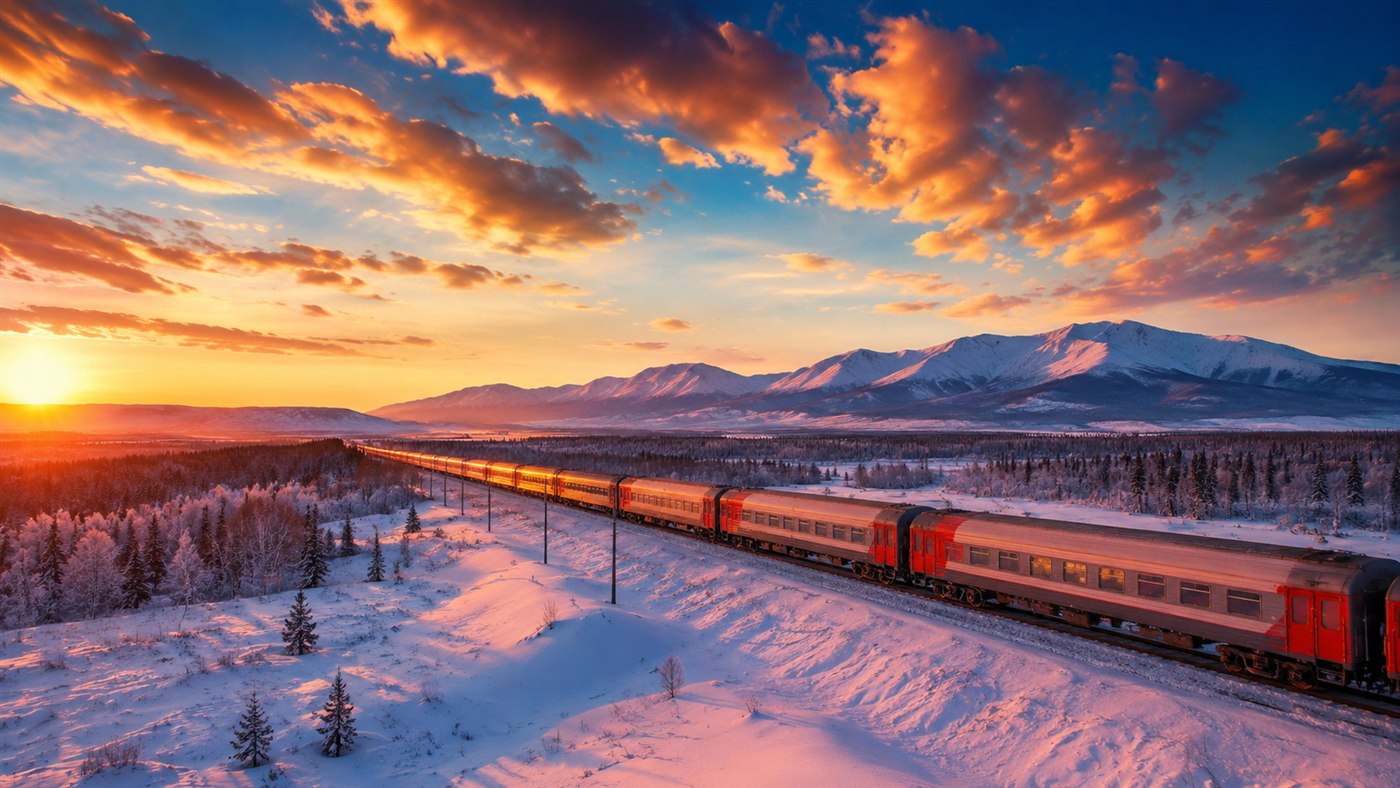
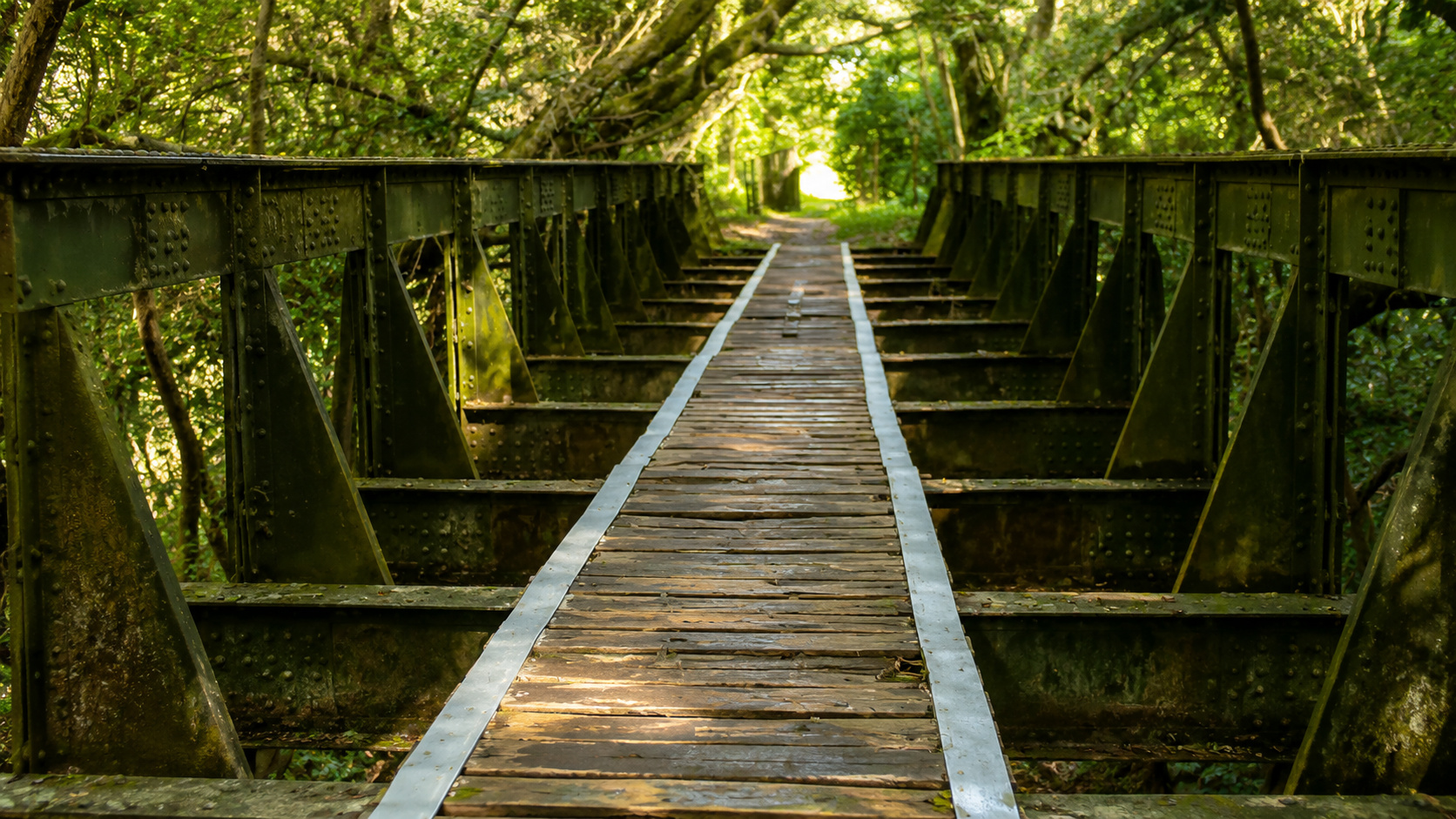

The Growth Acceleration Program (Novo PAC), from the Lula government, authorized the transfer of R$ 16 million for the initial studies. The funds finance the first stage of the technical and economic evaluation for the reactivation of the tracks.
The project’s location also has significant geographical importance. The railway is expected to be about 200 km from a connection with the Transnordestina, considered the largest railway project under construction in the Northeast.
How CTB intends to evaluate the viability of the EFBSF tracks
The Bahia Transport Company has already started technical studies for the reactivation. The initial focus is to evaluate economic viability and estimate the necessary investments to recover the existing structure.
CTB intends to hire foreign specialists and a university from Spain to assist in system modeling. The choice for international partnership reflects the recognition that Europe and Asia have more advanced railway networks that serve as a reference.
Eracy Lafuente detailed the strategy in an interview. “We want to hire foreign specialists so that we can build this relationship with Europe and also with Asia. These continents have expertise in rail transport that carries cargo and passengers,” reinforced the president of CTB.
The studies will define technical parameters such as gauge, load capacity, operational speed, and operating model. They will also evaluate the physical condition of the old tracks and how much of the existing structure can be utilized.
Economic modeling is a sensitive part of the work. Without it, it is not possible to estimate the total investment nor to dimension the future demand for cargo and passengers that would justify the project.
Why the track project replaces the original Metropolitan VLT
The reactivation of the 600 km of tracks to Juazeiro represents a significant change from the previous plan. The initial proposal of the Bahian government only foresaw the expansion of the Metropolitan VLT to Alagoinhas, a municipality about 115 km from Salvador.
The original Metropolitan VLT had a metropolitan focus. It foresaw a connection between Salvador and Camaçari, passing through Simões Filho, with the aim of connecting the Petrochemical Complex to the capital and facilitating the movement of workers.
Now the perspective has shifted to a broader railway network. The new project includes connection between different regions of Bahia and potential integration with other states in the Northeast.
The expansion reflects a different strategic interpretation. Instead of a short-distance metropolitan solution, the state is betting on a long-distance corridor that can simultaneously serve workers, travelers, and industrial cargo.
The difference between the two projects is also in their time horizon. The Metropolitan VLT would solve an immediate mobility problem in the Salvador Metropolitan Region, while the reactivation of the EFBSF is seen as a 30-year project with the potential to transform regional logistics.
What the connection with Transnordestina could mean for Bahian tracks
The proximity of the EFBSF tracks to the Transnordestina is one of the most relevant points of the project. At just 200 km away, the connection between the two railways would create an integrated network that would link Bahia to the ports of Pernambuco and Ceará.
Transnordestina is considered the largest railway under construction in the Northeast. When completed, it will facilitate the flow of agricultural and mineral production from the Matopiba region to port terminals, and the Bahian connection would expand the system’s reach.
For the state of Bahia, logistical integration would represent a competitive leap. Agricultural producers from the interior, industries from the Petrochemical Hub, and mining companies would have a railway alternative to transport cargo to ports without relying exclusively on highways.
The passenger issue also gains scale with integration. A train between Salvador and Juazeiro could evolve, in decades, into a high-speed rail axis connecting capitals of the Northeast, a hypothesis Lafuente mentions as a 30-year horizon.
Everything depends, however, on the feasibility that the studies will indicate. The R$16 million from the New PAC are just the beginning of the process, and the total investment to reactivate the 600 km of tracks between Salvador and Juazeiro could reach billions of reais depending on the state of the existing structure.
The Bahia government has not yet released a timeline for the completion of the studies nor a final cost estimate. The expectation is that the work with the Spanish university will allow the Bahian government to model different scenarios of operation and cost before submitting the project for federal approvals and seeking additional funding.
And you, do you think the reactivation of Bahia’s tracks will come to fruition? Leave your opinion in the comments.








