Portuguese
  Spanish




Officially Called National Defense Reserve Fleet, the Collection of Vessels Moored in “Cemeteries” Is a Strategic Reserve for Global Crises and Conflicts
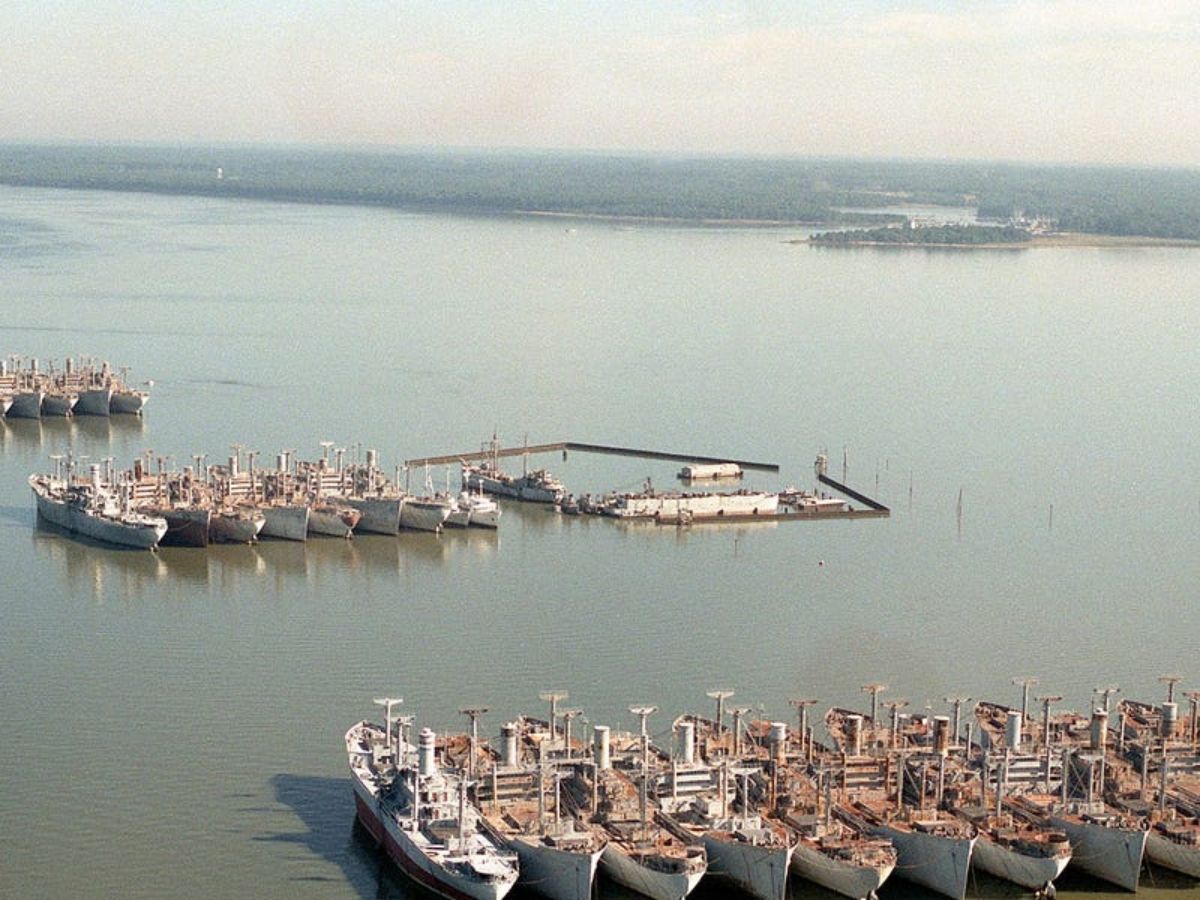
In bays and rivers across the United States, hundreds of steel ships silently await an order that may never come. It is the legendary ghost fleet of the U.S., a strategic reserve of vessels kept ready to be reactivated in the event of a world war. Managed by the Maritime Administration (MARAD) under the official name of National Defense Reserve Fleet (NDRF), this fleet is one of the most visible secrets of American defense logistics.
But don’t be fooled by the nickname. This is not a collection of useless ships. It is a strategic logistics reserve, created after World War II, that has proven decisive in conflicts such as the Korean and Vietnam Wars. Today, amid a backdrop of rising global tensions, the ghost fleet is at the center of a billion-dollar modernization plan, transforming from a rusting legacy into a crucial asset for the future.
The Origin After World War II, the Merchant Ship Sales Act of 1946
The history of the ghost fleet begins with the end of World War II. The U.S. emerged from the conflict with the largest merchant fleet in the world and needed to manage this surplus. The solution came with the Merchant Ship Sales Act of 1946, legislation that allowed the sale of ships to commercial operators and, crucially, authorized the creation of a reserve for national defense.
-
How to Prevent Brown Recluse Spider Bites: Common Hiding Spots and Free Tips to Reduce Risks

-
Natto: The Unusual Japanese Superfood Gaining Popularity on Social Media and Driving Record Exports
-
Brazilian Mayor Goes Undercover as Homeless for 24 Hours to Assess Public Services

-
15-Year-Old Entrepreneur Malu Lira Publishes 20 Children’s Books on Financial Education, Earns $500,000, and Expands Her Project to the Amazon Rainforest




This reserve, the NDRF, grew rapidly. At its peak in 1950, the fleet reached a total of 2,277 ships, moored in eight locations along the American coast. The image of endless rows of the iconic Liberty and Victory ships became a powerful, albeit silent, symbol of American industrial might at the dawn of the Cold War.
What Comprises the Ghost Fleet? The Difference Between the NDRF and the RRF
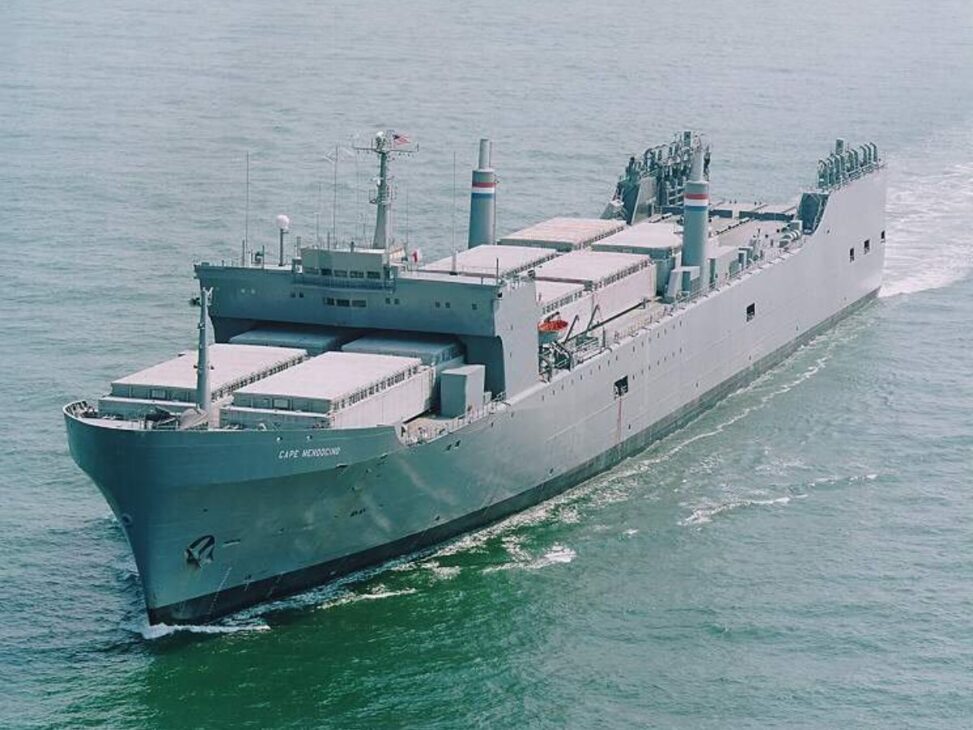
First, it is important to dispel a common myth: the ghost fleet is not a dormant fighting armada. Aircraft carriers and decommissioned destroyers are located at other bases. The NDRF consists primarily of merchant-type ships, such as freighters, tankers, and primarily Ro-Ro (Roll-on/Roll-off) ships, essential for transporting military vehicles.
The true power of the fleet lies not in the hulls awaiting scrapping, but in its beating heart: the Ready Reserve Force (RRF). This is the elite subset of the fleet, consisting of about 51 ships kept in a very high state of readiness, capable of being activated and placed into service within 4 to 20 days.
The “Cemeteries” of Ships, the Three Moorage Sites of the Fleet
Of the original eight moorage sites, only three remain operational in 2025:
James River Reserve Fleet (Virginia): the oldest of the sites, with origins dating back to the end of World War I.
Beaumont Reserve Fleet (Texas): the only remaining moorage site on the Gulf Coast, now a crucial center for RRF ships.
Suisun Bay Reserve Fleet (California): once the most famous of the fleets, with over 340 ships. Its iconic image, with hundreds of gray hulls lined up under the California sun, became the visual personification of the ‘ghost fleet’. Today, following extensive environmental cleanup efforts spurred by concerns over toxic paints, the fleet at this location is a shadow of its former self, but its legend as the largest ship cemetery in America remains.
A History of Reactivations, from the Korean War to Operation Iraqi Freedom
The importance of the NDRF has been proven numerous times. The first major test came with the Korean War (1950-1953), when 540 ships were reactivated to transport troops and supplies. The fleet was also crucial during the Suez Canal crisis in 1956 and in the Vietnam War, for which 172 ships were placed into service.
The utility of the fleet did not end with the Cold War. In a demonstration of its continued relevance, six ships from the James River moorage were reactivated in 2003 to transport equipment and supplies for Operation Iraqi Freedom, proving that the strategic reserve remains a vital tool for projecting U.S. military power in the 21st century.
Modernization and the SHIPS for America Act
The ghost fleet of today is very different from that of 1950. As of February 28, 2025, the official MARAD inventory listed only 87 vessels. The focus has shifted from quantity to quality and readiness.
Recognizing vulnerabilities in its logistics capability, the U.S. government is discussing the “SHIPS for America” Act. The proposal represents the most significant reform of maritime policy in decades, aimed at revitalizing the entire maritime industry of the country. The plan is therefore deeper than just refurbishing ships. It is about rebuilding the entire capability for U.S. maritime power projection, ensuring shipyards, skilled sailors, and a robust supply chain to face a new era of ‘contested logistics’. The ghost fleet of the future will not be measured by the number of rusting hulls, but by the ability of an entire nation to project its power across the oceans, proving that the true strength of a navy lies not only in the ships that fight but in those that ensure that the fight can continue.