Portuguese
  Spanish


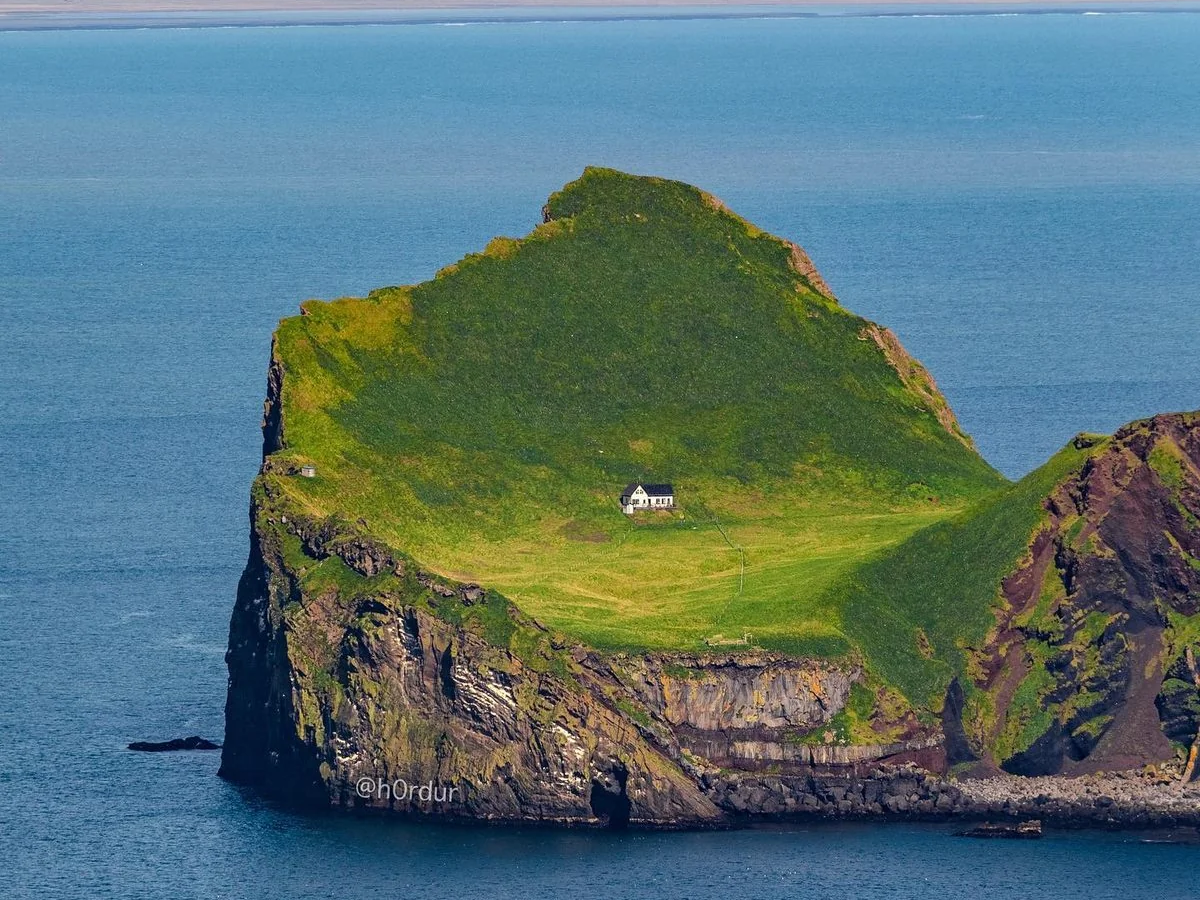

Discover The Real Story Behind The Viral Image Of The Most Solitary House In The World, Located On The Remote Elliðaey Island In Iceland, And The Myths Surrounding It
An iconic image of a white house isolated on a green island in Iceland has captured the global imagination, being nicknamed “the most solitary house in the world.” Located on the remote island of Elliðaey, this solitary structure has generated numerous mysteries and theories about its origin and purpose.
Learn the truth behind the legend. Let’s explore the history of the island, the true nature of the building, and why this image of extreme isolation holds such fascination.
Elliðaey Island, The Volcanic And Isolated Setting Of The Supposed Most Solitary House In The World
Elliðaey Island is part of the Vestmannaeyjar archipelago, south of Iceland. At only 0.45 km², it is the third largest island in the archipelago and has a volcanic origin, having emerged from the sea about 10,000 to 12,000 years ago. Its landscape is marked by steep cliffs and hills covered with vegetation.
-
Stingless Bee Honey from Brazil Can Cost Up to $120 a Liter, Surprises with Flavors of Wood, Citrus, and Even Cheese

-
Woman Claims to Have Spotted a Technical Pattern in Recent FIFA Tournaments, Predicts Possible World Cup Winner
-
Chevrolet Offers Chance to Win a 2026 Sonic RS for Free via WhatsApp
-
Earthquake vs. Tsunami: Which Causes More Destruction and Why One Can Be Even More Dangerous


Although it is now permanently uninhabited, Elliðaey once housed five families in the 18th and 19th centuries, who lived off fishing, hunting, and raising livestock. The last residents left in the 1930s. Currently, the island is an important nesting site for puffins and other seabirds.
A Functional Hunting Cabin, Not A Mysterious Home Or Mansion
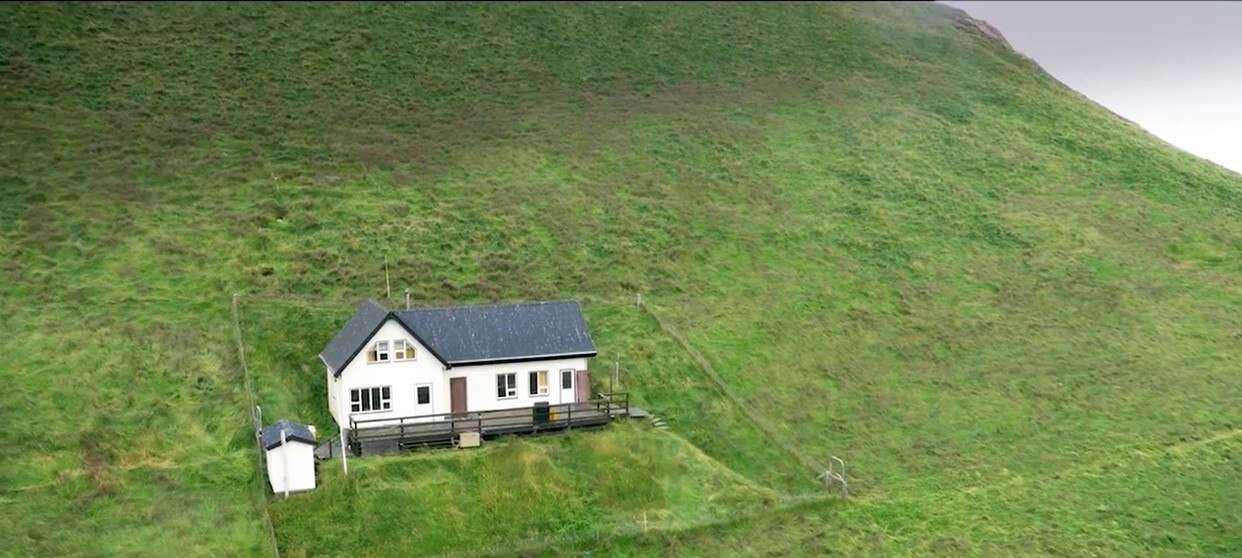
The famous white structure is not a mysterious private residence, but rather a hunting cabin built in 1953 by the Elliðaey Hunting Association. Its main purpose is to serve as shelter and base for members during the puffin hunting season, a traditional activity in Iceland.
Facilities are basic and rustic: there is no running water (water is collected from rain) and power is supplied by a generator or propane gas. The functional interior includes a living area with a stove and a communal bedroom with mattresses. There is also a smaller, older structure used for storage.
Björk, Eccentric Billionaires, And The Dreaded Zombie Apocalypse
The most persistent myth is that the island or cabin was given to the singer Björk. This is false and originated from confusion with another island of the same name. Other debunked theories include it being a hideout for a reclusive billionaire, the home of a hermit, or a zombie apocalypse bunker.
None of these speculations have factual basis. The global fame of the most solitary house in the world is largely a product of its impressive visual isolation, amplified by the viral spread of its photographs on the internet.
Why Does The Image Of The Most Solitary House In The World Captivate Us So Much?
The attraction to isolated places like Elliðaey is deeply human. In a hyper-connected world, the idea of radical solitude and escape from routine becomes appealing. The cabin in Elliðaey symbolizes this pursuit of tranquility, self-sufficiency, and reconnection with nature.
The “perspective and refuge” theory explains our preference for environments that offer clear views (the vast ocean) and safe shelter (the sturdy cabin). The image of this most solitary house in the world embodies this ideal.
Access, Tourism, And Conservation Efforts For Elliðaey Island

Visiting Elliðaey Island and its cabin is highly restricted, requiring permission from the Hunting Association. Access is difficult, depending on maritime conditions and sometimes involves climbing. The cabin is for the exclusive use of members.
For the public, the most common way to see the most solitary house in the world is through boat tours departing from Heimaey, the main island of the Vestmannaeyjar archipelago, especially during the summer. The Icelandic government protects the island, and visits are regulated to minimize human impact and preserve wildlife, especially seabird colonies. The online fame, while generating curiosity, also highlights the need for careful conservation.