






 Portuguese
  Spanish
  3 min of reading
  0 comments



The Vital Role Of Logistics For Ecommerce Success
In the dynamic environment of e-commerce, customer satisfaction goes beyond the simple delivery of products. According to the Brazilian Electronic Commerce Association (ABComm), e-commerce revenue is expected to reach R$ 204.2 billion this year, a considerable increase compared to the previous year. In this context, logistics management has emerged as a critical component for business success, ensuring not only efficient delivery but also strengthening customer trust and loyalty.
Effective Logistics Strategies Increase Customer Trust And Loyalty
In a competitive market, the speed and accuracy of deliveries are essential for customer satisfaction. An effective logistics system ensures that products reach consumers within the promised timeframe, which is crucial for maintaining brand trust. Furthermore, the role of the carrier transcends that of a mere delivery executor, positioning itself as a strategic partner that adds significant value to the shopping experience.
Turning Carriers Into Strategic Partners
-
Why can the crane operator only obey the correct signalman on the construction site: among dozens of workers, a hand raised by the wrong person can confuse the maneuver and turn a load of tons into an immediate risk.

-
What changes with the new public transportation rules that can reduce pressure on fares and pave the way for zero fare in Brazil?
-
Argentina confirms Belgian giant to lead strategic Paraná River waterway and promises to reduce logistical costs on one of South America’s most important routes
-
MBRF surprises the logistics sector by demonstrating how Artificial Intelligence can directly influence deliveries throughout Brazil by reorganizing distribution routes in seconds, optimizing fleet usage, reducing logistics costs, and speeding up product arrivals even in the face of unforeseen road incidents.


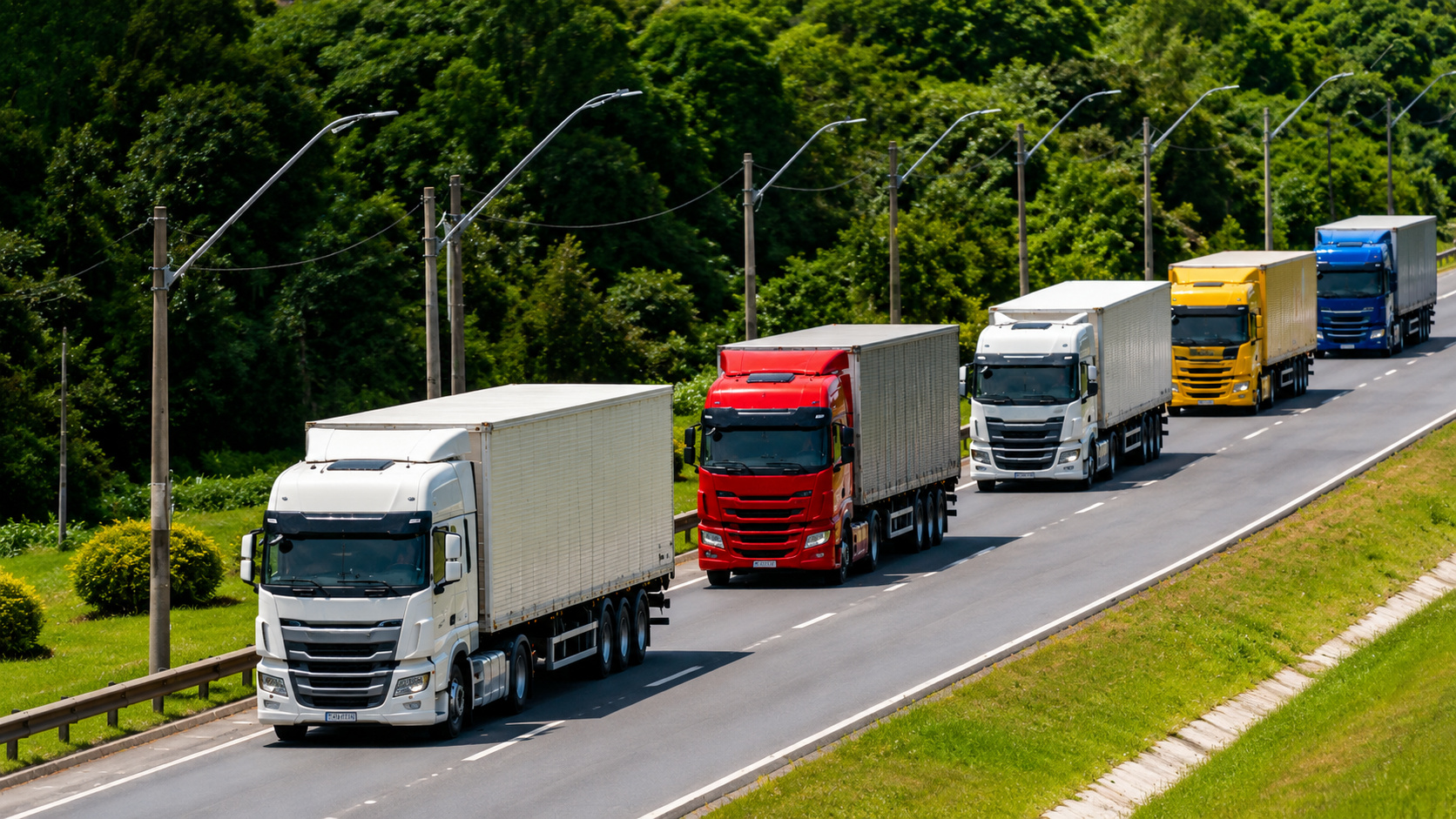
The carriers’ ability to positively influence customers’ perception of the brand is immense. A delivery that is both fast, secure, and efficient can consolidate customer loyalty and stimulate future purchases. On the other hand, failures in this process can seriously compromise the company’s image and erode consumer trust.
By elevating carriers to the status of strategic partners, e-commerce companies can collaborate to optimize processes, reduce costs, and improve operational efficiency. Strategies such as implementing advanced tracking systems and developing more efficient delivery routes are essential. The future adoption of disruptive technologies, such as drones and autonomous vehicles, promises to further revolutionize the speed and accuracy of deliveries.
Cost Optimization And Operational Efficiency
Effective collaboration between companies and carriers can significantly reduce costs and increase operational efficiency, essential elements in a competitive online retail market. Efficient inventory management, optimization of delivery routes, and the use of advanced technologies not only allow for greater resource savings but also a substantial reduction in transportation and storage costs.
Well-managed logistics facilitate rapid order processing, effective inventory management, and operational cost reduction. This results in more competitive pricing and shorter delivery times, meeting the high expectations of modern consumers.
Conclusion: Recognizing The Value Of The Carrier
It is essential to recognize that the carrier should not be viewed merely as an operational cost. Logistics is an integral part of the business strategy that directly affects customer experience, operational efficiency, and a company’s competitive position in the e-commerce market.
Seen as a partner, the carrier can significantly contribute to enhancing the shopping experience, strengthening brand image, and driving sustainable growth for e-commerce and retail companies. This partnership creates a virtuous cycle of customer satisfaction and loyalty, essential for long-term success in the dynamic e-commerce market.
Source: Renata Cavalcanti, head of sales at BBM Logística.





Be the first to react!