Portuguese
  Spanish


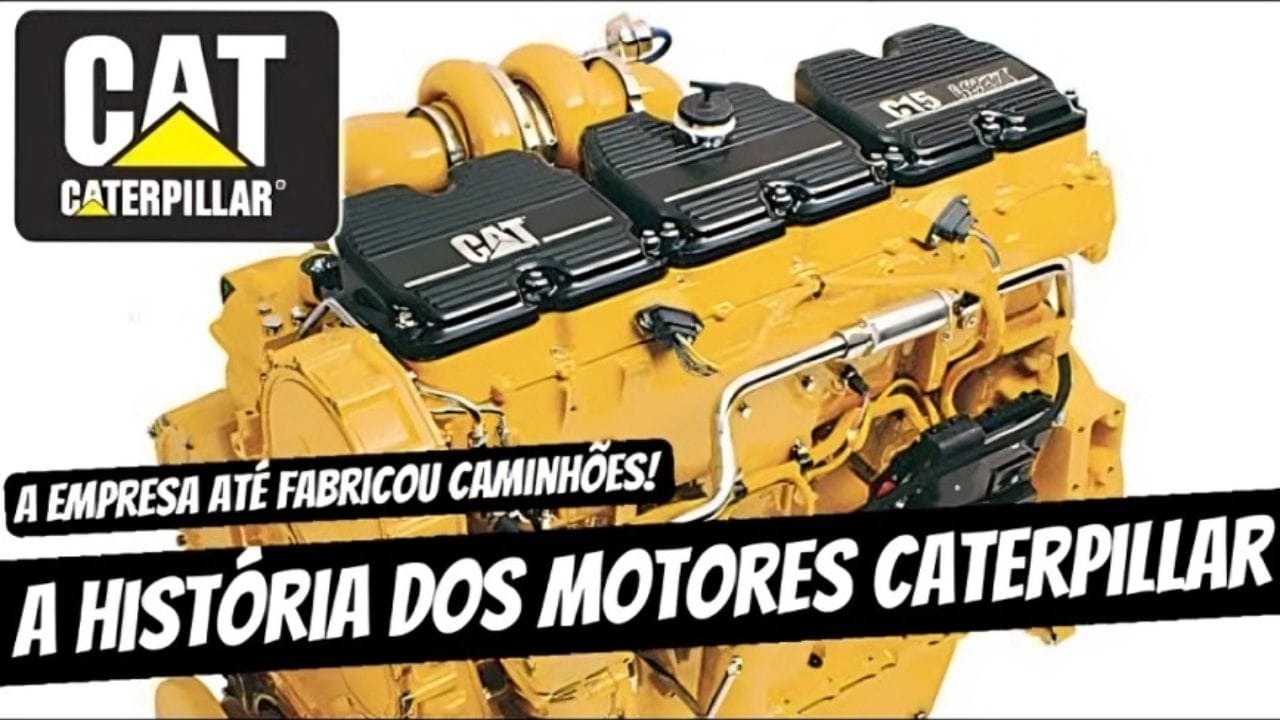

The Journey of the Caterpillar Engine Is a Testament to the Innovative Spirit and the Relentless Pursuit of Excellence.
The story of Caterpillar engines is a fascinating narrative of innovation, robustness, and a brand that has become synonymous with quality worldwide. Initially known for its bulldozers and heavy machinery, Caterpillar, or “Cat” as it is popularly known, has built an unshakable reputation with its diesel engines, which have transcended the limits of construction sites to make their presence felt on streets and highways.
The saga of Caterpillar begins with Benjamin Holt, a visionary who, at the end of 1904, solved the problem of heavy machinery mobility on soft terrain with the invention of the crawler tractor. This innovation not only revolutionized the heavy machinery industry but also was crucial for the development of military vehicles, such as tanks, during World War I.
The Union That Formed a Giant: Caterpillar Tractor Co

The story took a new turn when, in 1925, the Holt Manufacturing Company and C. L. Best Tractor Co. joined forces to create Caterpillar Tractor Co. This merger combined Holt’s innovation and robustness with Best’s advanced mechanical technologies, establishing Caterpillar as a global leader in the segment.
-
End of the Affordable Car Era: Fiat Argo 1.0 2026 Offers 14.7 km/l Efficiency and Easy Maintenance, but $18,000 Price Raises Cost-Benefit Concerns

-
Honda XR 300L Tornado Special Edition 2026: Off-Road Focused Motorcycle with 293.5cc Engine, 24.3 HP, Priced at $6,200
-
Indian Government Offers Up to $1,000 Incentive for Drivers to Swap Old Cars for Electric Vehicles

-
Tesla Begins Testing Two-Seater Autonomous Robotaxi Without Steering Wheel or Pedals, Featuring Onboard Safety Monitor


The Diesel Revolution
In the 1930s, Caterpillar made a significant leap by developing its first diesel engine, marking the beginning of an era of engines distinguished by efficiency and durability. These engines, initially designed for Cat’s own products, soon found their way into various applications, including trucks and even drag racing vehicles due to their high torque and fuel efficiency.
By the mid-20th century, Caterpillar had already solidified its global presence, establishing operations in Europe, Australia, and Brazil. Innovation continued to be a pillar for the company, which was one of the pioneers in adopting turbocharging and transitioning from gasoline engines to diesel, reducing costs while improving performance.
Challenges and Adaptations of the Engine
In the 2000s, Caterpillar faced the challenges of stringent emission standards with the creation of the ACERT system, an innovative solution that avoided exhaust gas recirculation, providing fuel savings and reducing emissions without sacrificing performance.
Although Caterpillar decided to exit the truck engine market in 2010, its influence in the heavy machinery and engine sector remains undeniable. The company continues to produce engines for its machines, vessels, generators, and locomotives, covering everything from light applications to mining giants with engines exceeding 4,000 horsepower.
From pioneering solutions to strategic adaptations in the face of new environmental and economic challenges, Caterpillar has built a legacy of robustness, reliability, and innovation that continues to influence the industry globally. The future promises more innovations as Caterpillar moves beyond known horizons, remaining a benchmark in engine technology and heavy machinery.