Portuguese
  Spanish


New Tesla Cybercab circulates in Austin without steering wheel or pedals, still with human supervision, while NHTSA proposal may pave the way for vehicles made exclusively for automated driving
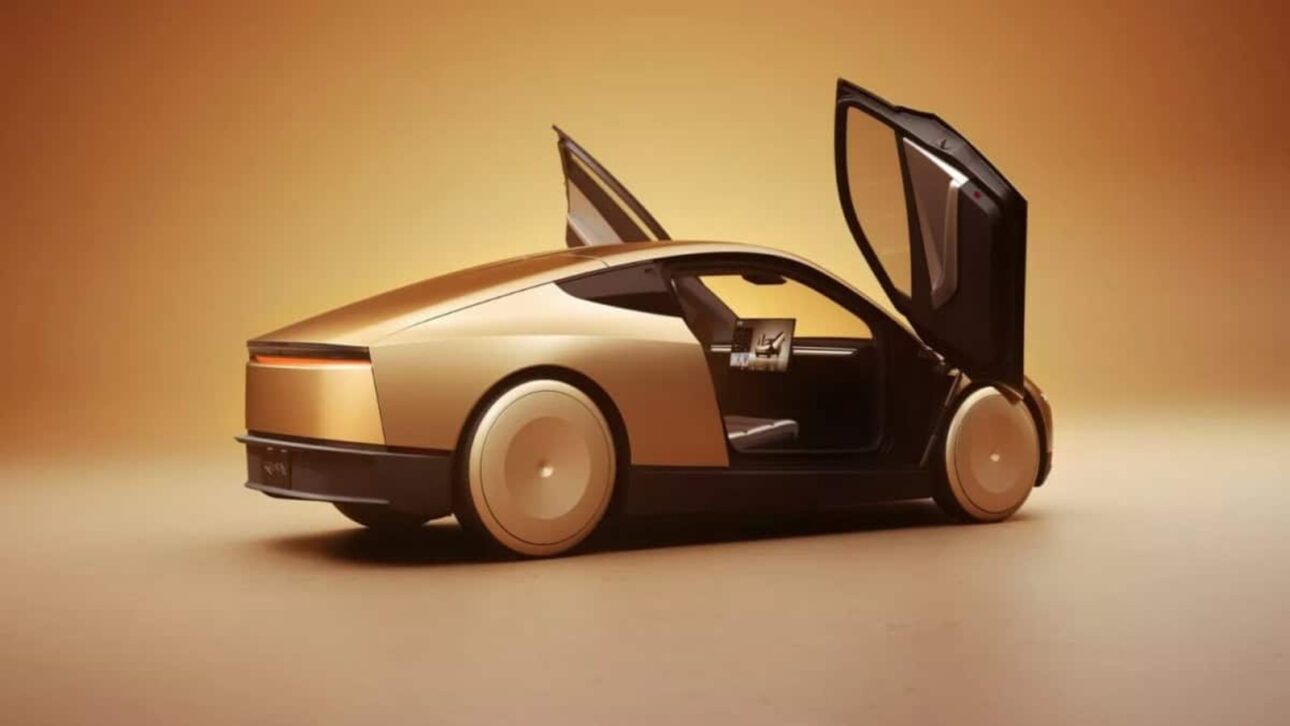
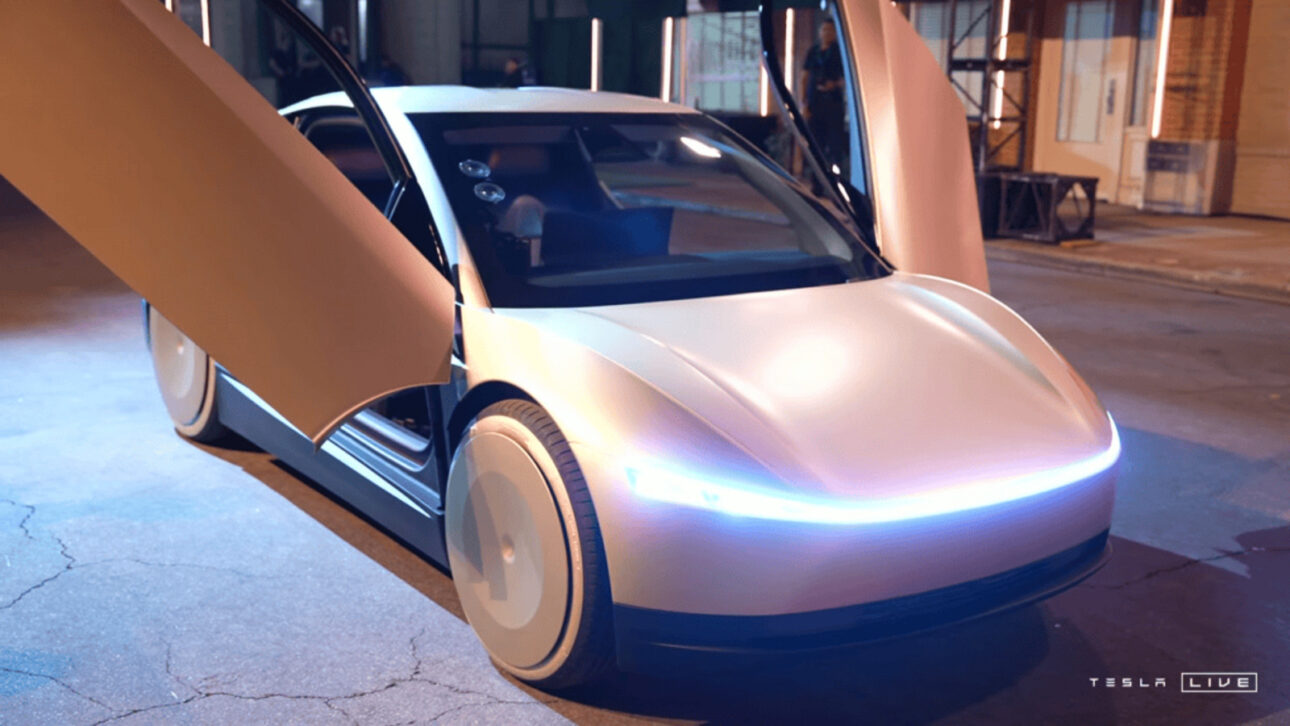
The Cybercab, Tesla’s future fully autonomous robotaxi, has entered a new testing phase in Austin, Texas, in a production version without a steering wheel or pedals. According to TechCrunch, the tests are still controlled and have a safety monitor inside the vehicle.
Cybercab advances to public road tests
The model was designed with two seats and a total focus on autonomous driving. At this stage, Tesla evaluates the system’s performance on public roads, but with human supervision on board.
A video posted on X, Elon Musk’s social network, CEO of Tesla, shows part of the tests. The company treats this stage as a validation of the production model.
-
Renault Sandero: Affordable Used Models Feature 1.6 Engine, 106 HP, 14.7 km/l Fuel Efficiency, and Cruise Control Options.

-
Volkswagen Jetta Highline Remains Popular Years After Discontinuation: Features 2.0 TSI Engine, DSG Transmission, and Spacious Trunk, All for Less Than a New Fiat Argo

-
Brazilian Company from Caxias do Sul Among World’s Leading Brake Friction Material Manufacturers, Present in Over 125 Countries

-
Kia K4 Launches in Portugal with 7-Year Warranty, Targets Volkswagen Golf with 1.0 Turbo Engine, Unavailable in Brazil


The design of the Cybercab was presented about two years ago, already with the proposal to function as a ride-hailing service. The difference now is the introduction of a version without traditional controls in real tests.
Previous tests used Model Y and adapted prototypes
Tesla had already been testing autonomous transport services in Austin with Model Y SUVs, also with human supervision at times.
Additionally, prototypes of the Cybercab itself with steering wheels and pedals were seen in different cities across the United States. These tests indicate a transition between stages of the vehicle’s development.
The presence of hundreds of vehicles parked in lots also increased speculation about a future larger-scale robotaxi network.
Regulatory change could pave the way for vehicles without pedals
The advancement of the project also depends on road safety rules. The NHTSA, a United States agency, has proposed a change that could eliminate the requirement for brake pedals in vehicles designed exclusively for automated driving.
The proposal is still under public consultation. If it progresses, it could make room for models like the Cybercab, which was designed from the start to operate without a driver.
Tesla targets competition with Waymo in the robotaxi market
Tesla’s strategy puts the company in direct competition with Waymo, from Alphabet, currently regarded as a reference in robotaxis.
Tesla bets on integrating manufacturing and software within the same ecosystem. The approach also differs in the use of technology: while Waymo uses sensors like lidar and radar, Tesla primarily relies on cameras.
Despite the advances, Tesla has not yet deployed a fully autonomous system on a large scale. The service in Austin went through unstable phases and recorded minor collisions, some involving remote operators.
Waymo also faces challenges, such as complex situations on highways, construction, and adverse weather conditions. The new phase of the Cybercab shows that the race for robotaxis continues to develop.
This article was prepared based on information from TechCrunch and the provided base material, with data, numbers, and statements preserved as per the consulted material.