






 Portuguese
  Spanish


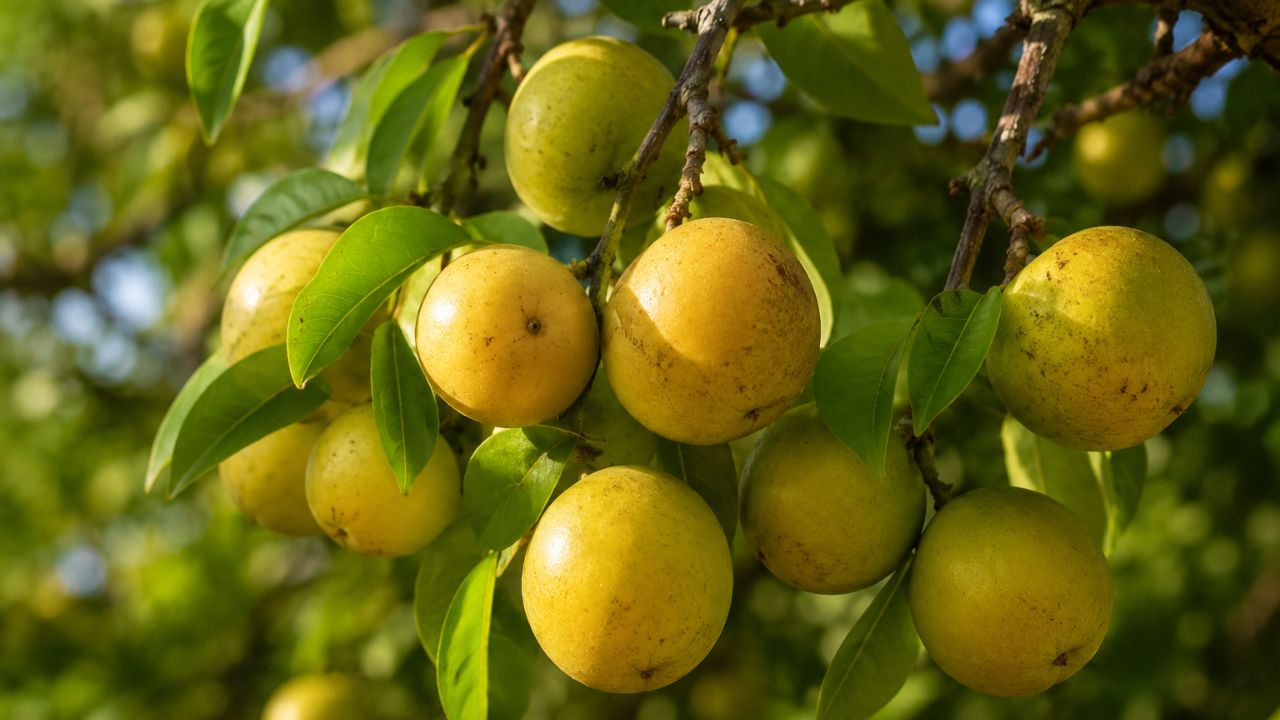

Umbu is a native fruit of the Semi-arid that unites tradition, food, culture, and income generation in various communities.
Present in different regions of the Brazilian Semi-arid, the umbu plays a fundamental role in food, culture, and the economy of numerous rural communities. Originating from the umbuzeiro, a species adapted to the driest climatic conditions in the country, the fruit stands out for the plant’s ability to survive long periods without rain, thanks to natural water storage mechanisms. Besides its nutritional and gastronomic value, the umbu is also associated with cultural traditions and extractive practices passed down through generations.
With a flavor that combines citrus and sweet notes, the fruit generally has a round shape, smooth skin or slightly covered by fine hairs, and abundant pulp surrounding the central seed. It is consumed both fresh and in various processed products widely appreciated in the Northeast.
How does the umbuzeiro survive prolonged droughts?
The resistance of the umbuzeiro to the typical conditions of the Semi-arid is considered one of its most remarkable characteristics. During dry periods, regionally known as summer, the tree reduces water loss by shedding its leaves.
-
Opened in 1980, Shopping Recife was Pernambuco’s first mall and helped transform Boa Viagem into a bustling and sought-after district in southern Recife.

-
Tired of Monthly Water Supply, South African Villagers in Limpopo Connect Mountain Spring to Taps, Bringing Water to 5,000 People with $700 Initiative

-
Rare Case of Neurocysticercosis in Spain: 60-Year-Old Man’s Suspected Brain Cancer Turns Out to Be Tapeworm Cysts, Avoiding Invasive Cancer Treatments

-
Horse Trailer from 2000 Transformed into Mobile Home with Bed, Kitchen, Bathroom, and Workspace in Upcycling Project




Another decisive factor for its survival lies in special roots called xylopodia. These structures function as natural reservoirs, accumulating water and minerals that help the plant endure the most critical drought periods.
In some trees, the number of these underground structures can exceed 300 units, reaching up to 20 centimeters in diameter. This adaptation explains the origin of the name umbuzeiro, derived from the Tupi-Guarani expression “y-mb-u,” translated as “tree that gives drink.”
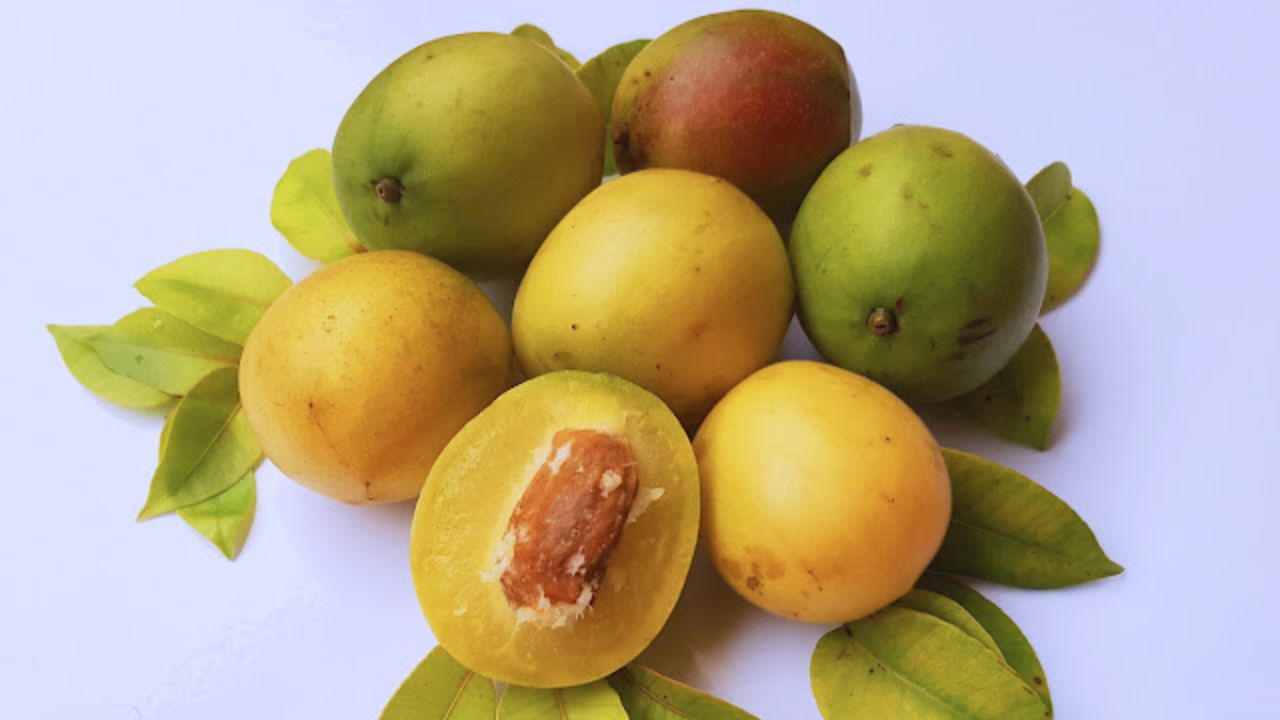
Species characteristics and where it occurs
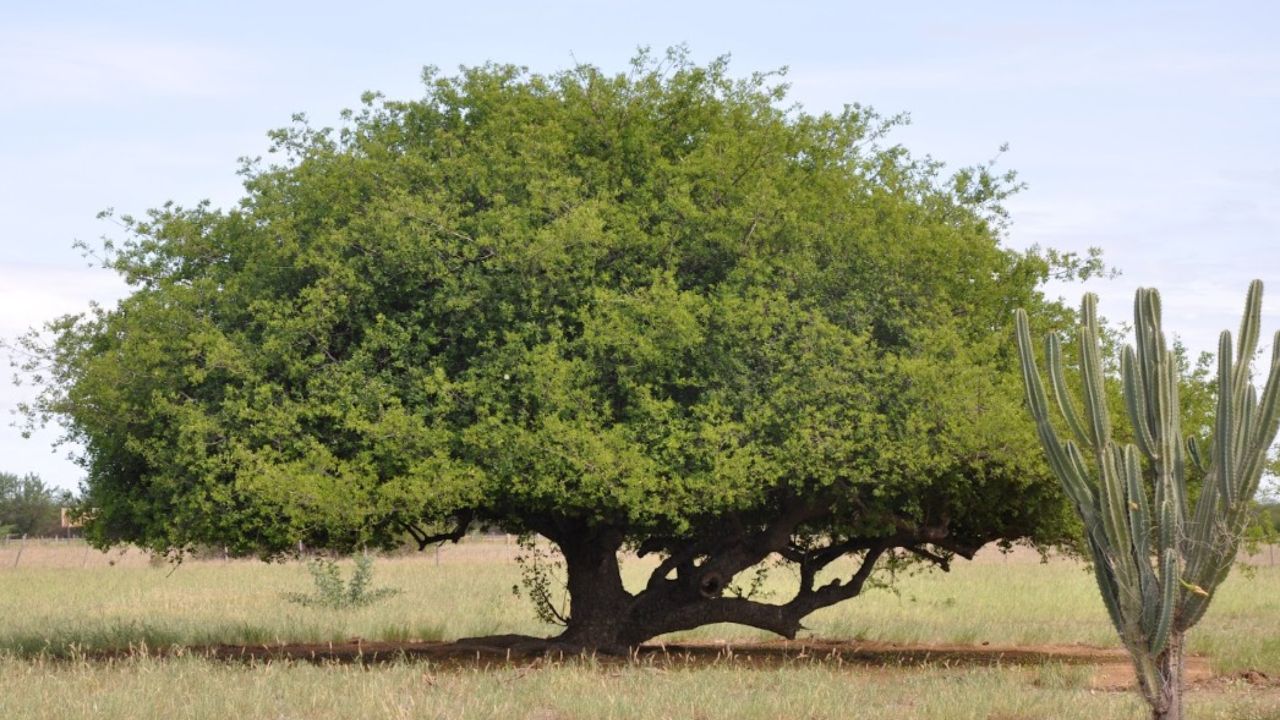
Belonging to the Anacardiaceae family, the species is scientifically named Spondias tuberosa Arruda. The tree usually has a reduced size, ranging between 4 and 7 meters in height.
Its canopy is wide and formed by several intertwined branches. The bark has a grayish hue, while the older branches have fissures that can detach in plates.
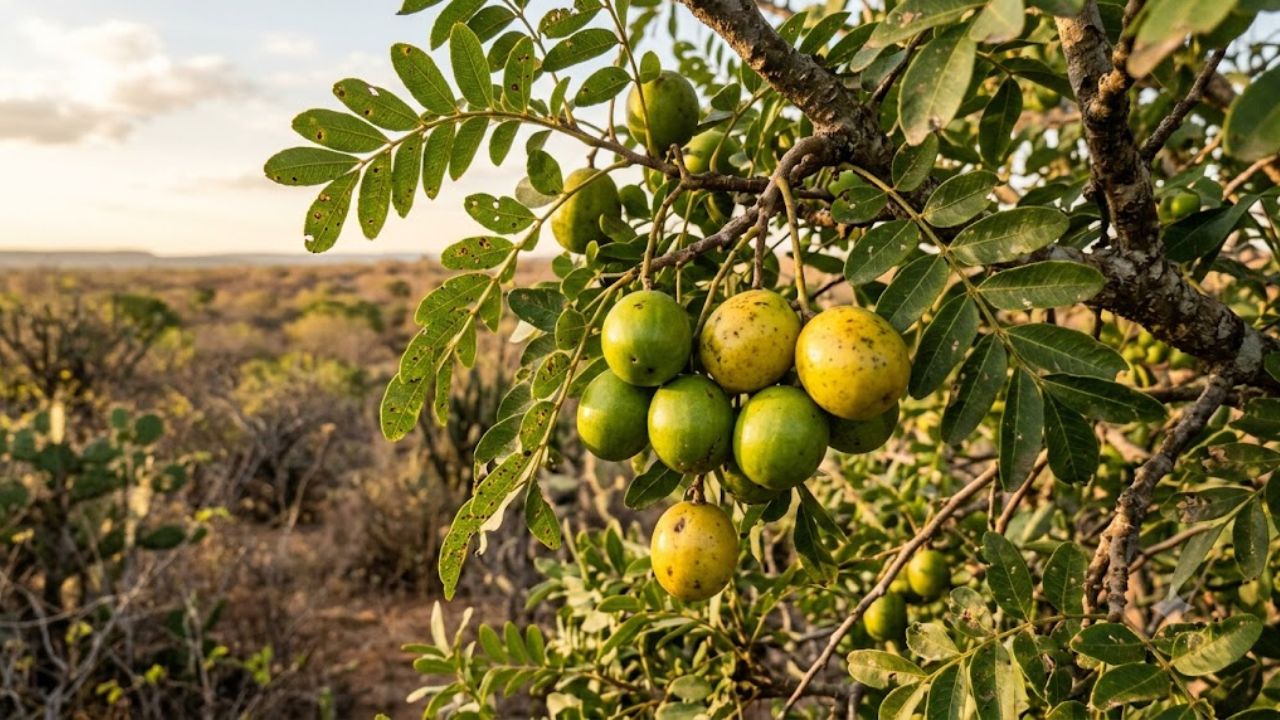
The flowers are small, white in color, and appear grouped in terminal inflorescences. The fruits usually measure between 2 and 4 centimeters in diameter, with a weight ranging from 10 to 20 grams.
The natural occurrence of the species is mainly concentrated in the Brazilian Semi-arid region. Its distribution covers northeastern states such as Bahia, Pernambuco, Paraíba, Ceará, Rio Grande do Norte, Piauí, Alagoas, Maranhão, and Sergipe. There are also records in southeastern areas, including Espírito Santo, Minas Gerais, Rio de Janeiro, and São Paulo.
The plant is found in the Caatinga and Cerrado biomes, especially in semi-arid climates, with temperatures between 24°C and 28°C and altitudes of up to 600 meters. The reproduction of the species depends directly on the interaction with animals present in the Caatinga ecosystem.
Insects such as bees, flies, and wasps transport pollen between the flowers, contributing to fruit formation. At the same time, various mammals participate in seed dispersal.
Among the mentioned animals are:
- Veado-catingueiro;
- Tatu-peba;
- Cotia;
- Other native species of the northeastern fauna.
This relationship favors the maintenance of the species in nature and strengthens the ecological processes of the environment where it occurs.
Cultural value of umbu for the peoples of the Sertão
More than a food resource, umbu holds an important place in the traditions of different sertanejo communities.
Among the Pankararu indigenous people of Pernambuco, the wide canopy of the umbu tree is considered the dwelling of enchanted beings, entities linked to the cycles of life according to the cosmology of this people.
To celebrate the annual harvests, the people hold the so-called Umbu Race, a traditional event marked by purification rituals, as well as dances and songs.
In other communities, the tree is recognized as a symbol of resilience due to its ability to remain alive even in adverse climatic conditions.
Production, Extractivism, and Income Generation
The collection of fruits is directly linked to the lifestyle of many families in the Semi-Arid region. The work is mainly carried out by women, who share traditional knowledge and techniques with younger generations.
This extractivist system contributes to the food security of communities and also represents an important source of income.
Bahia holds a prominent position in this scenario. Data from IBGE in 2016 indicates that the state recorded an extractive production of approximately 6,361 tons of umbu. This volume corresponded to 76% of the national production recorded during that period.
The commercialization involves both fresh fruit and a wide variety of derived products, expanding the economic opportunities associated with the species.
Umbu Gains Space in Cuisine and Industry
The fruit’s versatility allows its use in different food preparations. Rich in vitamins A, B1, and C, it is used in traditional recipes and also in industrialized products.
Among the main uses are:
- Consumption in natura;
- Juices;
- Pulps;
- Sweets;
- Jams;
- Compotes;
- Popsicles;
- Ice creams;
- Umbuzada.
Umbuzada, prepared with milk and sugar, is among the most well-known recipes associated with the fruit.


Additionally, umbu has been incorporated into the production of fermented beverages. Traditionally used in the artisanal production of wines and liqueurs, it is now also part of the creation of craft beers and other industrial products.
Full Utilization of the Plant Increases Its Value
The economic potential of the umbu tree is not limited to the fruits. Various parts of the plant have different applications.
The leaves can be used in animal feed and have an average crude protein content of 15.59%, as well as an in vitro dry matter digestibility of 43.43%.
Branches and bark appear in folk medicine practices, being used as digestives, healing agents, and in treatments related to anemia.
The roots perform multiple functions. Besides storing water for the plant’s survival, they can be used in animal feed during severe droughts and in the production of sweets and pickles.
The wood, in turn, is used for firewood and charcoal production.
Protection of the species and propagation methods
The ecological and economic importance of the umbuzeiro has motivated measures aimed at its conservation. Bill No. 3,458/2004 provides for the prohibition of cutting the species throughout the national territory as a way to encourage its protection.
The plant can be multiplied by seeds or by vegetative methods, such as grafting, cuttings, and micropropagation.
Although the use of seeds is relevant to increase the genetic diversity of the species, grafting is pointed out as the most employed procedure. The method allows preserving the characteristics of the parent plants and favors earlier production.
Techniques such as cuttings and micropropagation represent multiplication alternatives but may present limitations related to root development and the survival of seedlings in dry conditions.

A symbol of adaptation to the extreme conditions of the Sertão, the umbu combines characteristics that go beyond its nutritional value. Its presence is linked to the biodiversity of the Caatinga, the preservation of traditional knowledge, and the generation of economic opportunities for thousands of families.
While sustaining important ecological relationships, the species remains a significant cultural element in different communities, reinforcing its relevance to the Brazilian Semi-arid region.
With information from the Book Plants for the Future: Northeast Region


