Portuguese
  Spanish


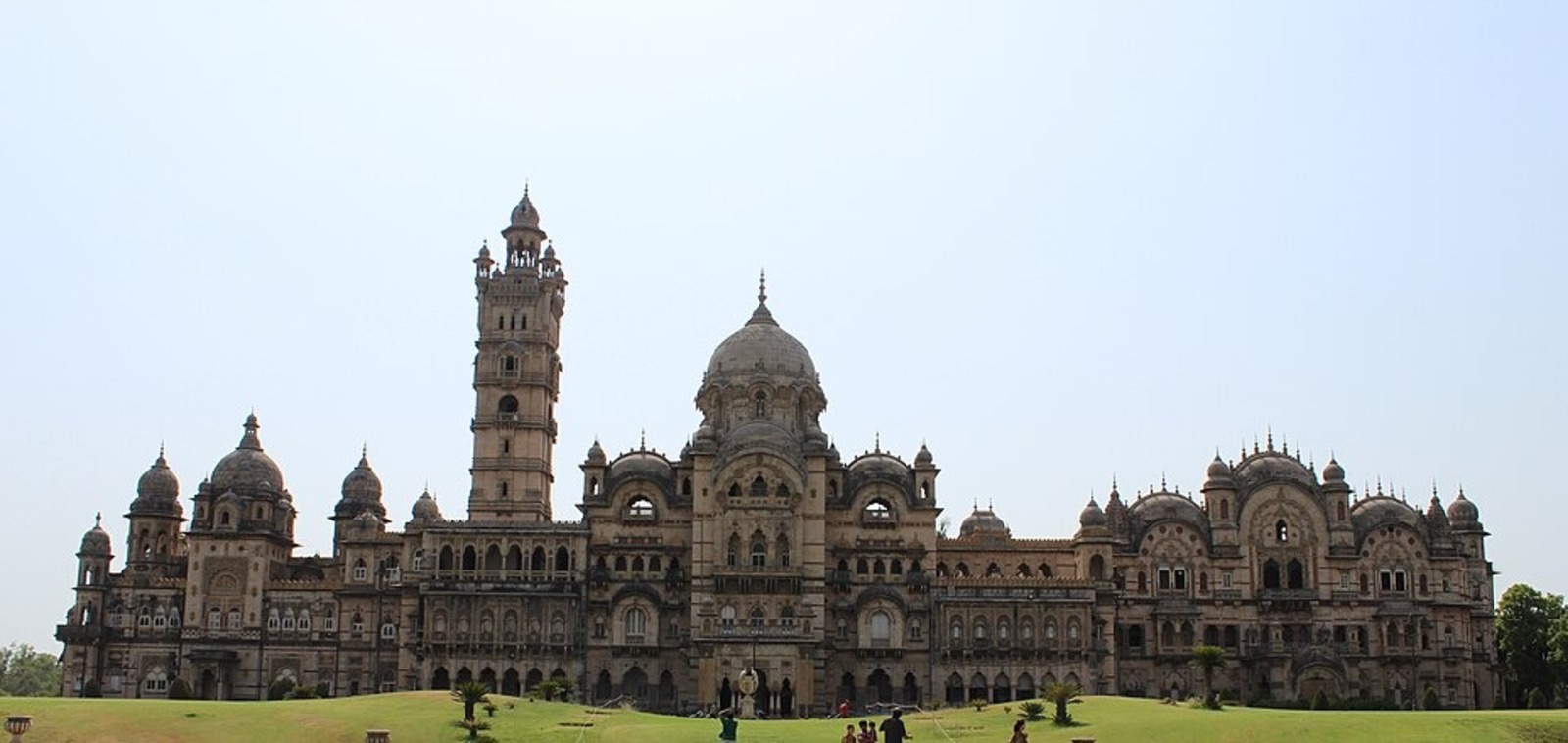


With 2.8 Million M² and 170 Rooms, Lakshmi Vilas Palace in India Is the Largest Private Residence in the World and Houses Only Four Members of the Former Royal Family of Baroda
Located in the city of Vadodara, India, Lakshmi Vilas Palace is recognized as the largest private residence in the world, covering an impressive 2.8 million square meters. Despite its monumental proportions, only four people live there: the Royal Family of Baroda. Built in 1890, the palace maintains its original function as a residence and is valued at around R$ 13 billion.


A Symbol of Power and Indian Tradition
The Lakshmi Vilas Palace represents much more than a luxurious residence — it is a landmark of history and architecture in India.
The construction was commissioned by Maharaja Sayajirao Gaekwad III, who wanted to express the grandeur and influence of his dynasty.
-
15-Year-Old Entrepreneur Malu Lira Publishes 20 Children’s Books on Financial Education, Earns $500,000, and Expands Her Project to the Amazon Rainforest

-
Entrepreneur Turns Rio Cemetery Canteen into a Successful Snack Chain Generating $4.9 Million Annually and Expanding to Metro Stations

-
Rare fox feared “extinct” found alive on Caribbean island after over two decades without official sightings

-
21-Year-Old Brazilian Student Turns Homemade Popsicle Hobby into $100,000-a-Month Business




The design combined styles from the Indo-Saracenic revival, merging Gothic, Moorish, and Indian elements into a visual synthesis celebrating the cultural diversity of the country.
At the time of its construction, the investment was 18,000 pounds sterling, a significant amount for the 19th century.
Today, the property is valued at approximately R$ 13 billion, reflecting its historical and architectural status.
Therefore, the palace is not only the largest but also one of the most valuable residential estates in the world.
Luxury in Every Detail of the Largest House in the World
With 170 rooms spread across 280 acres, Lakshmi Vilas Palace exhibits a level of opulence that is hard to compare.
The interiors have been decorated with marbles, Belgian stained glass, and wooden craftsmanship by local artisans, creating an atmosphere of royalty and refinement.
Additionally, the location houses collections of weapons, mosaics, and paintings, including works by Indian artist Raja Ravi Verma, one of the most respected names in the country’s art scene.
The public can visit the ground floor of the building, while the upper floors remain restricted to royal family members, preserving the family’s privacy and the residential character of the palace.
The Life of the Current Residents
The largest house in the world today houses four members of the Gaekwad dynasty, known as the Royal Family of Baroda.
The current Maharaja is Samarjitsinh Gaekwad, who assumed the title in 2012. He lives there with his wife, Radhikaraje Gaekwad, and their two daughters, Padmaja Raje and Narayani Raje.
Despite living in a colossal palace, the family maintains a lifestyle focused on preserving and valuing the historical legacy of the property.
A Legacy That Transcends Generations
Lakshmi Vilas Palace is both a home and a symbol of continuity. Under the leadership of Samarjitsinh Gaekwad, part of the complex has been opened to the public and also adapted for ceremonies and private events, under the name Laxmi Vilas Banquets.
This decision reinforces the family’s commitment to keeping alive the cultural heritage of Vadodara.
With this, the largest residential palace on the planet continues to fulfill its dual function: being the dwelling of royalty and, at the same time, an accessible heritage, preserving the history and architectural identity of an entire region.
With information from ND Mais.