Portuguese
  Spanish


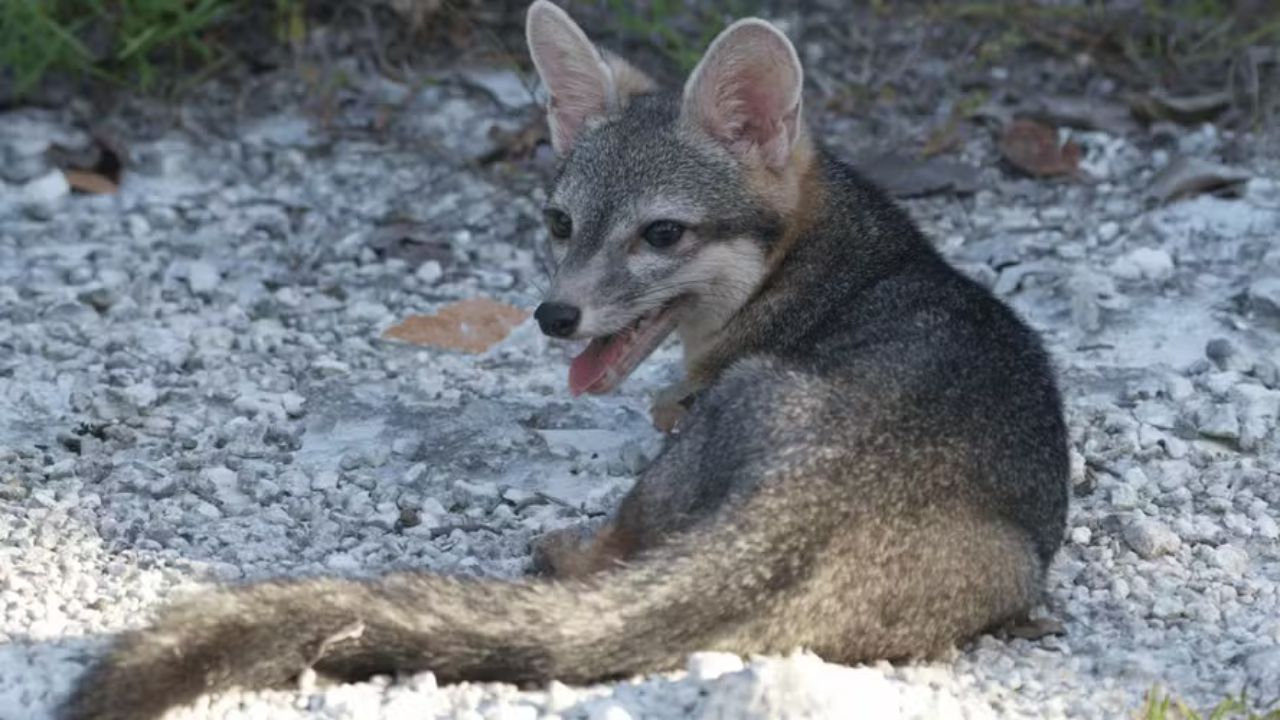

Rare Cozumel fox is recorded again after more than 20 years without visual confirmation and renews expectations for its protection.
A discovery made in Cozumel, an island located in the Mexican Caribbean, brought new perspectives for researchers monitoring endangered species. After more than two decades without confirmed visual records, a fox considered extremely rare reappeared in photographs that now form part of a scientific study published on May 4. The documentation ends a long period of doubt about the animal’s presence in the wild and opens the door for new preservation initiatives.
The reappearance occurred thanks to images obtained in a protected area of the island. With the publication of the material in a scientific journal, the current existence of the Cozumel dwarf fox (Urocyon sp.) no longer relies solely on isolated reports and now has formal confirmation.
An animal found only in one place on the planet
Among the factors that make this fox so special is its extremely limited distribution. As far as we know, it inhabits exclusively the island of Cozumel. Geographic isolation over thousands of years may have contributed to characteristics very different from those observed in mainland foxes.
-
21-Year-Old Brazilian Student Turns Homemade Popsicle Hobby into $100,000-a-Month Business

-
Australia Dumps Hundreds of Thousands of Tons of Gravel into Rivers to Restore Natural Barriers and Reverse 150 Years of Erosion

-
Bird-Inspired Robot Glides on Air Currents up to 10 m/s, Balances Itself, and Aims to Save Energy in Industrial Inspections and Meteorological Balloons
-
Eight Artists Secretly Lived in a Hidden 70m² Apartment Inside a Shopping Mall in Brazil for Four Years




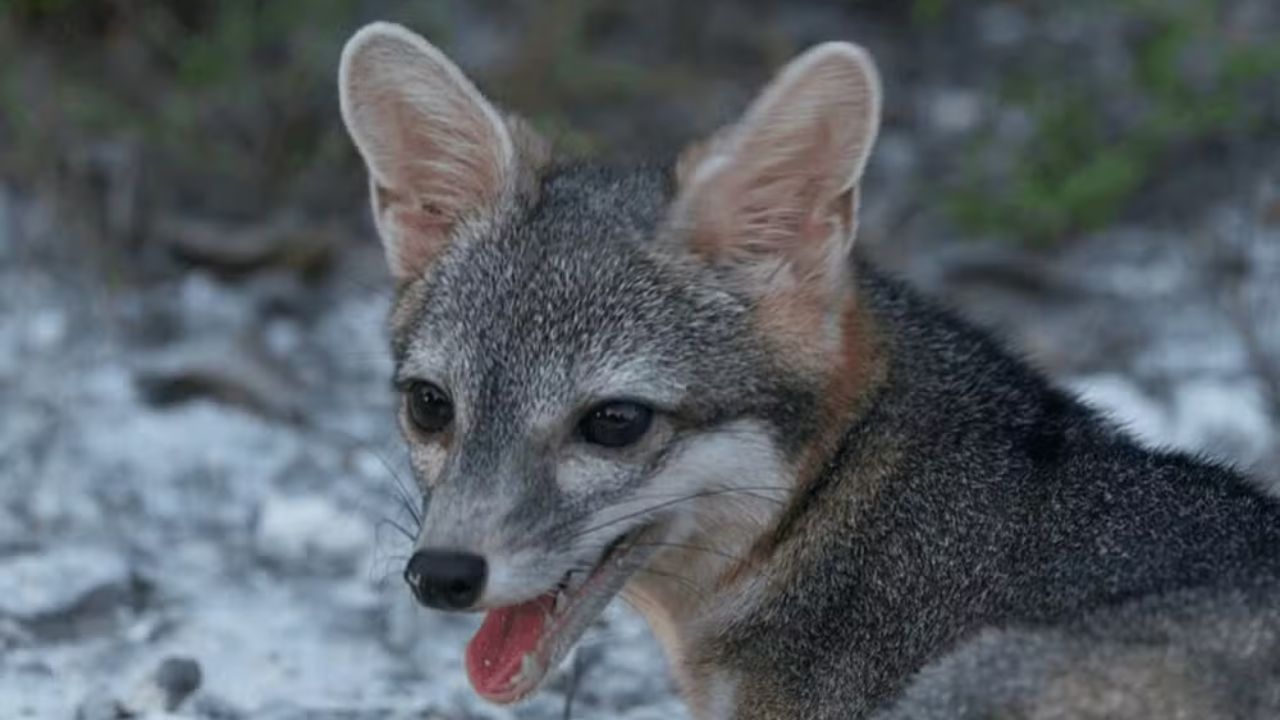
According to Travis Bayer, the principal author of the study, ancient specimens found in Mayan archaeological sites were significantly smaller when compared to their mainland relatives. This physical difference is considered one of the elements that support the possibility of a unique classification for the animal.
The prolonged absence of evidence generated growing concern among specialists. Various monitoring initiatives carried out over the years failed to locate the species. Without recent photographs or confirmed observations, suspicion increased that the population had been reduced to critical levels.
In some cases, the possibility of the fox’s disappearance in the region was even considered. The lack of information also hindered more specific protection measures.
The moment that changed the course of research
The story began to change in September 2023. On that occasion, Rafael Chacón, Director of Conservation and Environmental Education at the Cozumel Parks and Museums Foundation (FPMC), managed to capture images of the animal in its natural environment.
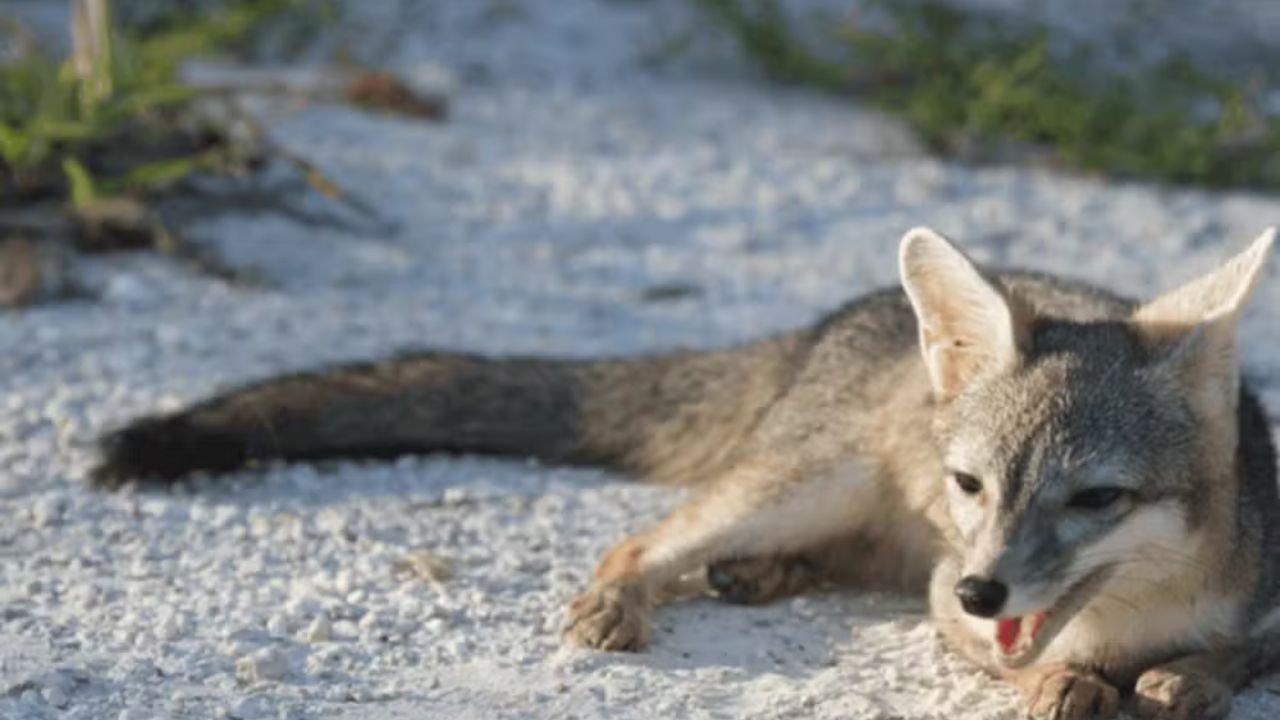
Subsequently, the records were made available on the iNaturalist platform and began to attract the attention of the scientific community. With the inclusion of the photographs in an academic article, researchers now have a permanent document on the presence of the species on the island.
The location where the animal was found was not a surprise to the specialists. The photographs were obtained in the Laguna Colombia State Reserve, one of Cozumel’s main preservation areas.
The area already had historical relevance for studies of the species because it had concentrated observations previously recorded in 1995 and 2001. For this reason, the reserve continued to be identified as one of the most promising regions for future searches.
Why is finding this fox so difficult?
Rare species often require specific monitoring strategies.
According to researchers, methods used previously were not always suitable for locating such an uncommon animal. Conventional baits often attracted other local fauna visitors before any evidence of the fox was obtained.
To increase the chances of success, specialists advocate actions such as:
- Expansion of monitored areas;
- Keeping cameras for longer periods;
- Careful selection of observation points;
- Use of strategies targeted at rare species;
- Continuous monitoring in isolated regions.
The expectation is that these measures will allow for better identification of the distribution of the remaining population.
Fox now represents new hope for conservation
Besides the scientific value, the discovery has a direct impact on environmental preservation efforts.
Travis Bayer, principal author of the study and founder of the conservation organization Pathos Publishers, stated that the absence of recent evidence made it difficult to formally recognize the species and its legal protection.
Rafael Chacón highlighted that the record helps to raise awareness about the importance of Cozumel’s biodiversity. The confirmation of the fox’s survival marks just the beginning of a new stage.
With concrete evidence in hand, researchers intend to gather more information about habits, number of individuals, and areas occupied by the species.
This data could serve as a basis for future conservation actions and for defining strategies aimed at habitat protection.
After more than 20 years without any visual confirmation, the reappearance of the Cozumel dwarf fox transforms a scenario of uncertainty into an unprecedented opportunity to expand knowledge about one of Mexico’s rarest mammals.
With information from Revista Galileu