Portuguese
  Spanish


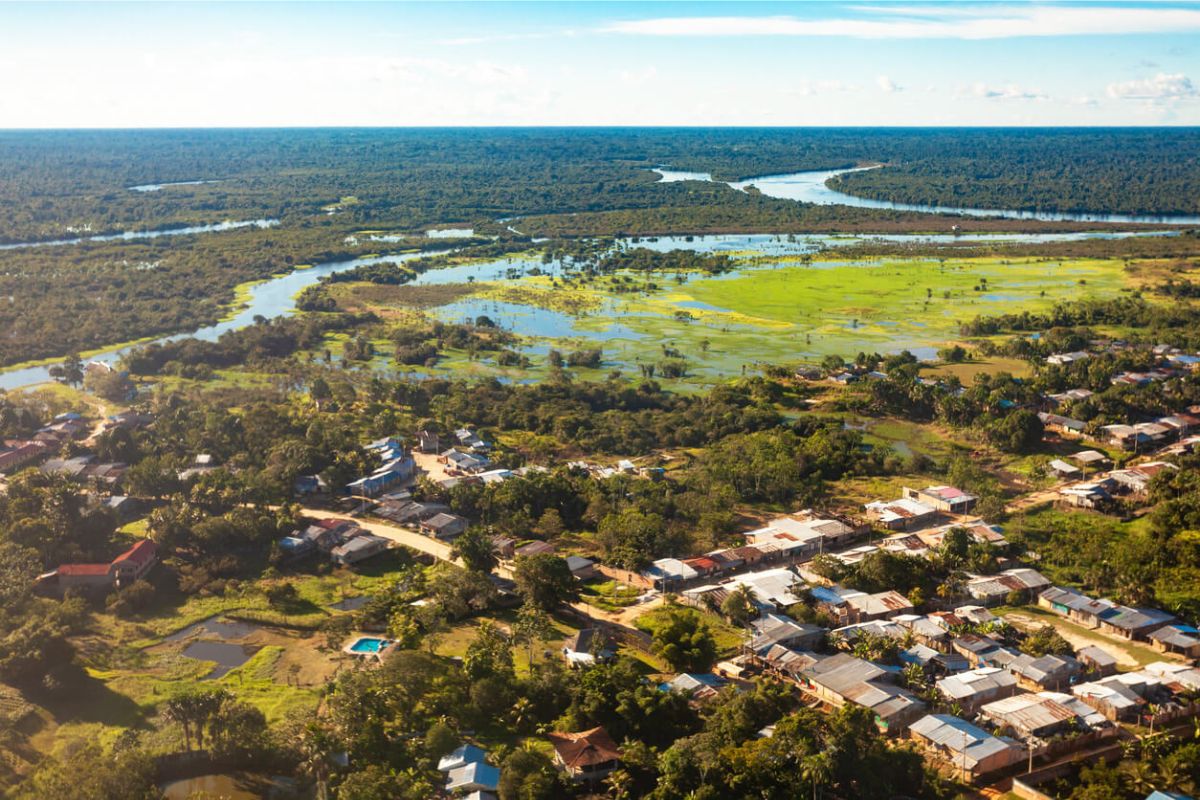

Isolated in the Middle of the Forest, Iquitos Survives Without Asphalt, Without Highways, and With a Lot of History to Tell
In the heart of the Amazon rainforest, there is a metropolis that defies all rules of modern urbanization. Iquitos, in Peru, is home to around 500,000 residents — but what impresses the most is that it has no access by highway. Yes, that’s right: to get there, you can only fly or navigate the Amazon River for several days.
The city, which once experienced economic prosperity with the latex boom in the 19th century, has become a true symbol of geographical isolation, surviving without roads to this day. And despite what many think, Iquitos is not a forgotten village in the middle of the forest: it is the largest city in the world without a land connection to other regions, a rare feat in this era of global mobility.
A Past Marked by the Rubber Boom
The growth of Iquitos began around 1880, during the so-called rubber boom, when latex extracted from the Amazon became one of the most sought-after products in the world. Foreign companies, including representatives of Ford from the United States, set up operations in the region to supply the growing tire and industrial product industries.
-
Orphaned Youth Turns Dismissed Idea into Global Prestige with Innovative Wristwatch

-
English Skills Boost Career Opportunities in the Oil and Gas Industry

-
Brazil Secures Second Place at WorldSkills 2024 in Lyon, with 64 Young Professionals and 8 Medals, Including Gold from a Rio de Janeiro Hairdresser

-
3,000 Military Personnel from 10 Countries, Including US and Chinese Marines, Train Together in Brazil’s Savanna: Operation Formosa Becomes Largest Naval Ground Exercise Before First Cancellation Since 1988



The material was transported by indigenous people to river ports, from where it was shipped to the USA and Europe. However, in 1914, everything changed: reports of abuses against native workers surfaced and, at the same time, the creation of synthetic rubber in western laboratories made Amazonian rubber economically unviable.
With the collapse of the rubber economy, Iquitos remained isolated, with no highways built to connect the city to the rest of the country. And this condition persists to this day.
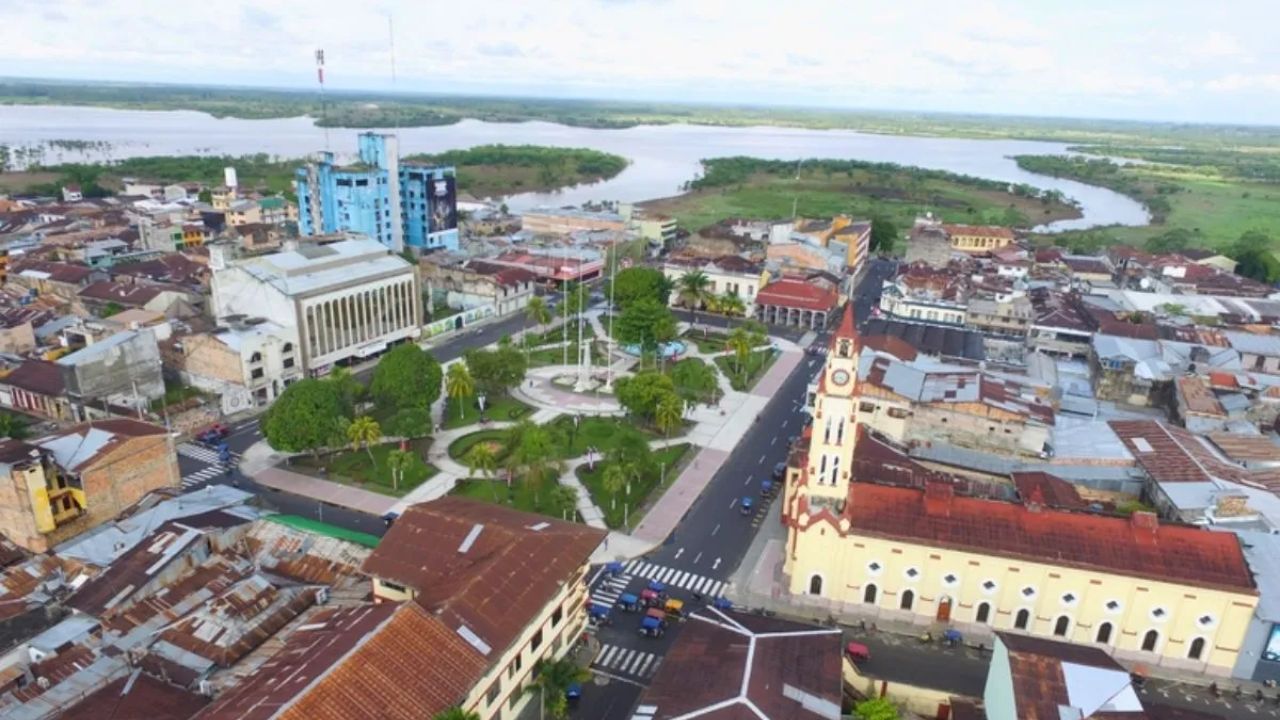
How to Get to Iquitos in 2025?
Despite its isolation by land, Iquitos remains fully accessible by air or boat. Coronel FAP Francisco Secada Vignetta International Airport operates daily flights between Lima and Iquitos, lasting about 1 hour and 40 minutes. The river journey can take up to a week, depending on the type of vessel and the conditions of the Amazon River.
Not for lack of attempts has the city remained isolated. For decades, different governments have studied building a highway linking Iquitos to Saramiriza, but the obstacles are enormous. The region’s soil is unstable, flooding is frequent, and environmental impacts could be severe. So far, no project has moved beyond the planning stage.
A Real City, with Streets and Motorcycles, but Without Roads
Those who think Iquitos is a lost village in the forest are mistaken. The city is home to almost half a million residents, covers more than 368 km², and has an urban structure typical of a large regional center. On the streets, motorcycles, mototaxis, and cars circulate — but they arrived by air or by river.
According to data from the Peruvian government, the cost of living in Iquitos is one of the highest in the country, second only to Cusco. This is due to the logistical difficulty of transporting food, fuel, and other consumer goods to the city.
Moreover, the seasons are not measured by temperature but rather by river variations: from April to September is the “low water” period, when the rivers recede; from October to March is the “high water” season.
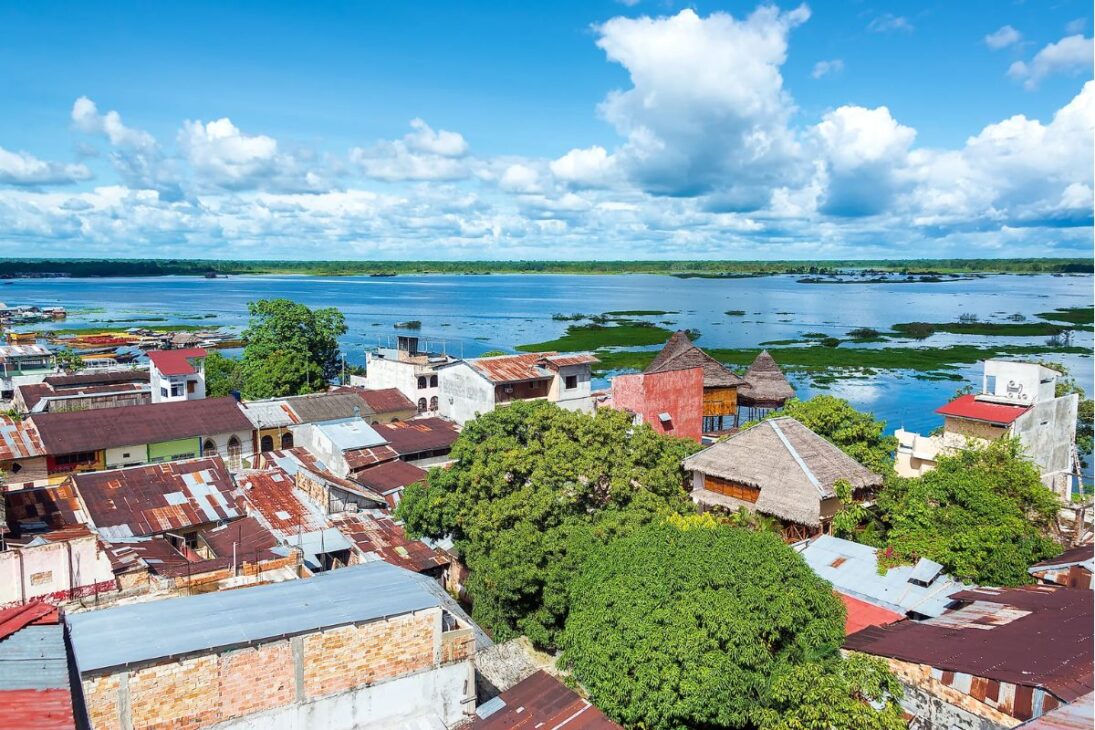
Ecotourism and Environmental Challenges
Iquitos is also one of the main destinations for ecotourism in South America. The city serves as a gateway for visitors who wish to experience the biodiversity of the Peruvian Amazon, with excursions along rivers, forest trails, indigenous villages, and pink river dolphin watching.
It is estimated that over 90,000 tourists pass through Iquitos annually, according to data from local tourism operators. Floating hotels, eco-lodges, and scientific expeditions are part of the region’s economy.
But the future of Iquitos is at stake. With each new debate about a possible road, the fear grows that deforestation will encroach closer. Experts warn that the construction of highways in Amazonian areas historically opens doors to logging, illegal mining, and territorial conflicts.
The environmental NGO Amazon Conservation warns: “isolated cities like Iquitos are essential for preserving the forest, but need sustainable development alternatives to avoid becoming vulnerable to external pressures.”
A Unique Example of Urbanization Without Asphalt
Iquitos is a rare case in the world. In the midst of the era of electric cars and hyper-connectivity, it survives — and thrives — without even one road connecting it to the rest of the country. The isolation has become part of its identity.
For the curious Brazilian tourist, the city may seem like another planet. But just a flight from Lima and a dose of adventurous spirit are enough to discover this living piece of the Amazon that insists on following a different path — literally.