






 Portuguese
  Spanish
 3 min of reading


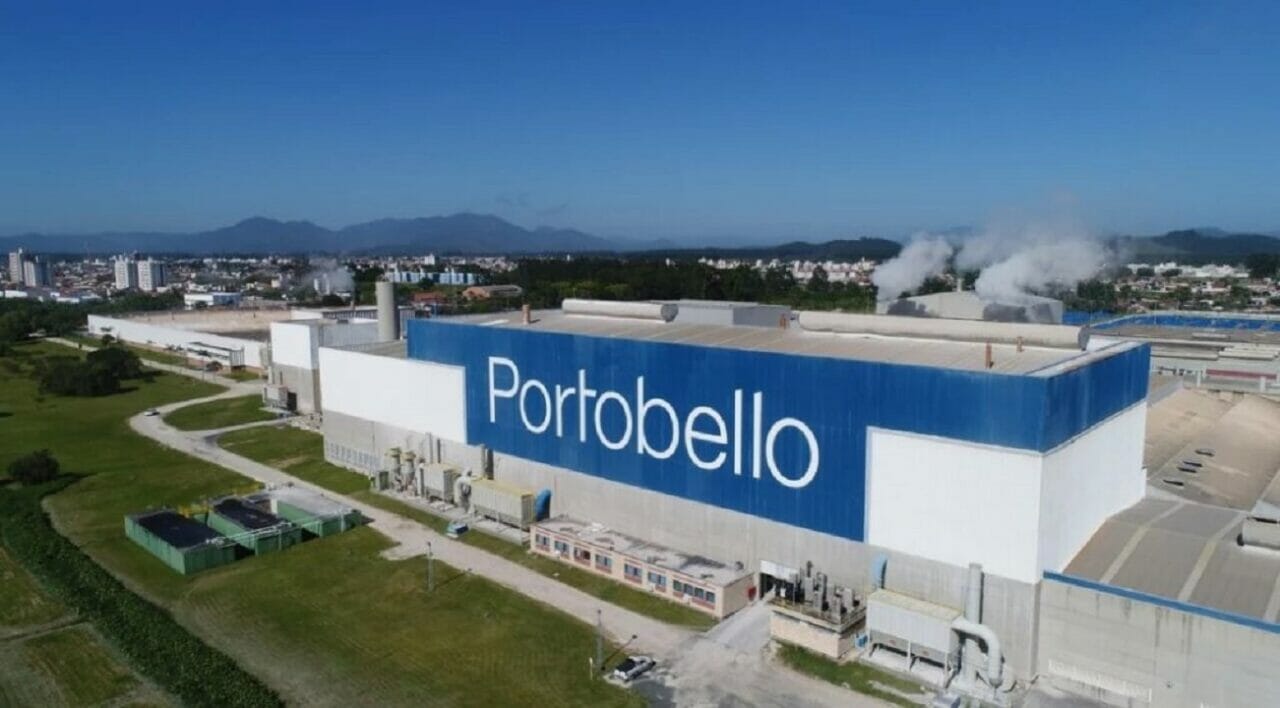
Ceramic Manufacturing Led by Portobello Seeks Sustainability with Renewable Energy from Enel Trading
Portobello Group, a leader in the ceramic sector, and Enel Trading, a driver of energy solutions, have joined forces in an innovative partnership. The aim of this union is to supply half of the energy consumption of the Brazilian ceramic giant with wind energy, a significant step towards advancing Portobello Group’s ESG (Environmental, Social and Governance) plan.
The agreement, which will last for 15 years, includes the delivery of a maximum of 10 Megawatts Medium (MWm), equivalent to 87.6 GWh/year. It is worth noting that RJ also signed a memorandum of understanding to implement offshore wind energy in the state.


Sustainability Committee: Strengthening the Ecological Transition
“The commitment to sustainability has always been in our essence at Portobello”, comments Cesar Gomes Junior, Chairman and President of the Board of Portobello Group. “Therefore, we established the Sustainability Committee to ensure the adoption of strategies consistent with this ideal. Our ESG Plan envisions an Ecoefficient Portobello, contributing to social transformation and aiming for clear governance. The partnership with Enel Trading represents a crucial step in our environmental journey, consolidating the benefits of generating energy through renewable sources”.
-
Brazilian scientists are simultaneously advancing two research projects on clean hydrogen and driving solutions that could transform the energy matrix, enhance industrial competitiveness, and accelerate large-scale emission reduction targets.

-
Advancement in renewable energy: A R$ 150 million project launched by Petrobras and Finep aims to create state-of-the-art electrolyzers for green hydrogen, strengthening national research and preparing Brazil to compete in a billion-dollar energy market.
-
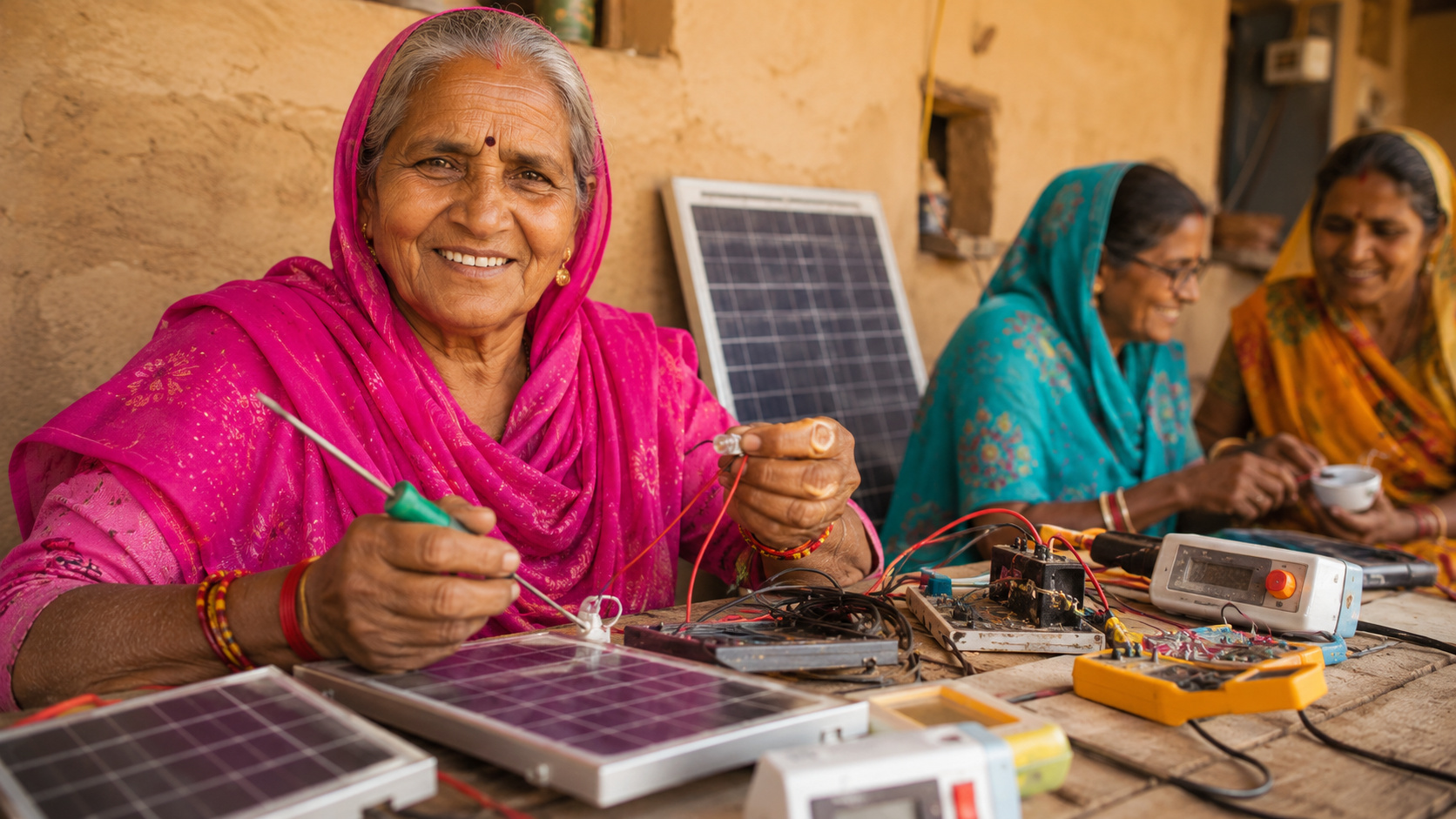
Illiterate or semi-literate grandmothers were trained to repair solar systems, open rural workshops, and light up homes that still depended on kerosene.
-
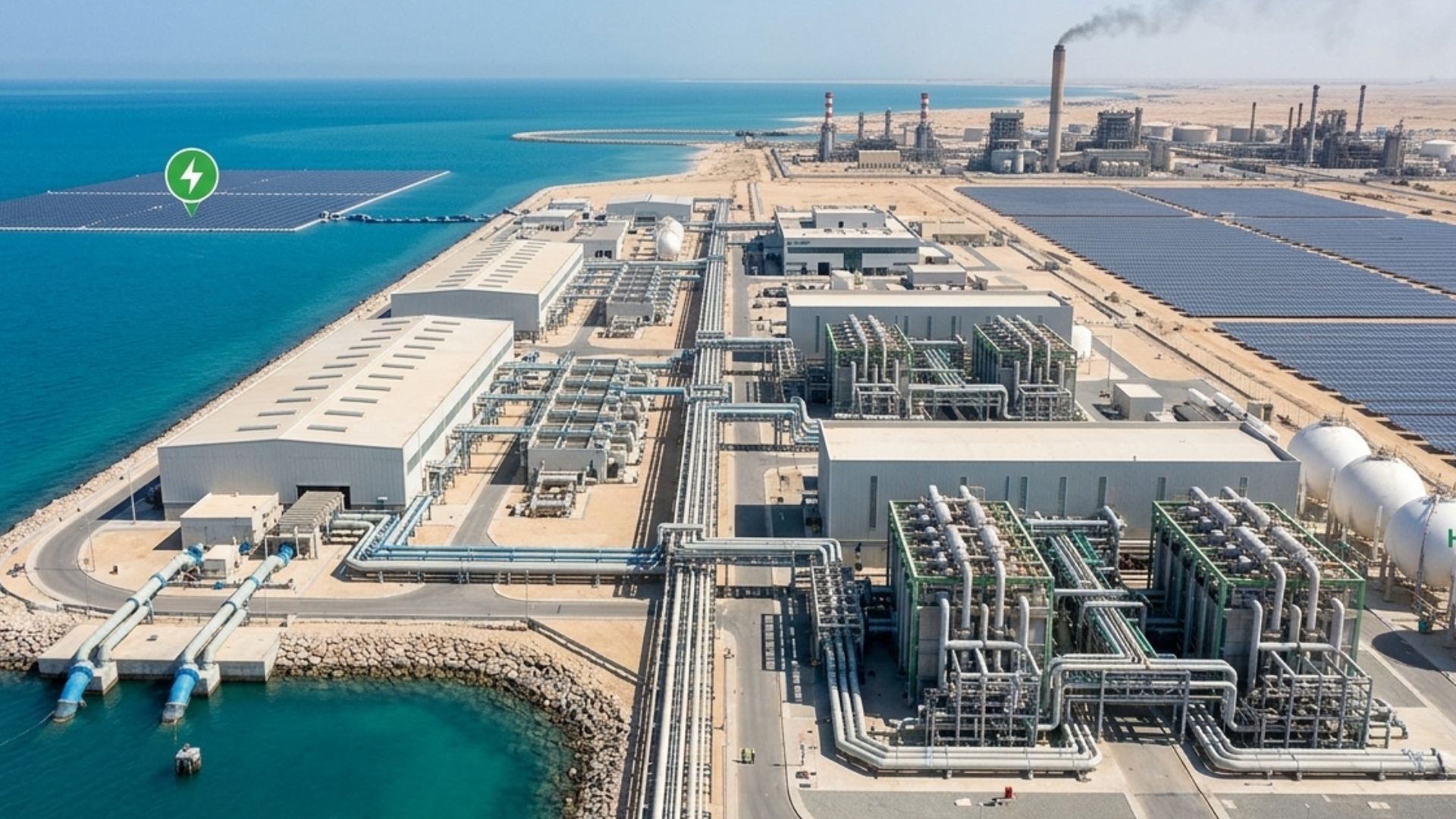
The world has bet on green hydrogen as the fuel of the future, but now faces the side effect: producing 1 kilogram requires about 9 liters of ultrapure water, and the largest projects on the planet are precisely in the driest regions of the Earth, where water is already scarce for people.



The collaboration between Portobello Group and Enel Trading adopts the self-production scheme by equivalence. In this model, Portobello Group becomes a shareholder in the clean generation plant, Ventos de Santa Esperança 21, which is part of the Morro do Chapéu Sul II Wind Complex, built and operated by Enel Green Power, Enel’s renewable energy subsidiary. Located in Morro do Chapéu and Cafarnaum, Bahia, Morro do Chapéu Sul II, with an installed capacity of 353 MW, has 84 wind turbines.
Mutual Benefits and Expansion of the Renewable Energy Market
The business model adopted allows Enel Trading to sell excess energy produced by the plant in the free market after fulfilling the contracted volume by Portobello Group. Dario Miceli, responsible for Trading and Commercialization activities at Enel Trading, emphasizes: “With the expansion of the Free Energy Market, our clients are increasingly seeking solutions that combine economy with sustainability. Self-production is a perfect example of this solution. At Enel Trading, our goal is to provide personalized service and products that meet our clients’ needs, ensuring the competitiveness of their businesses”.
Self-Production: An Effective and Sustainable Strategy
Self-energy production offers consumers a reduction in sector charges, as well as price predictability and free negotiation of contractual conditions. This strategy plays an essential role in promoting the use of renewable sources in the energy matrix, decarbonizing production processes and indicating to stakeholders measurable commitments aligned with the ESG agenda. The partnership between Enel Trading and Portobello demonstrates a concrete example of this strategy in action.





Be the first to react!