Portuguese
  Spanish


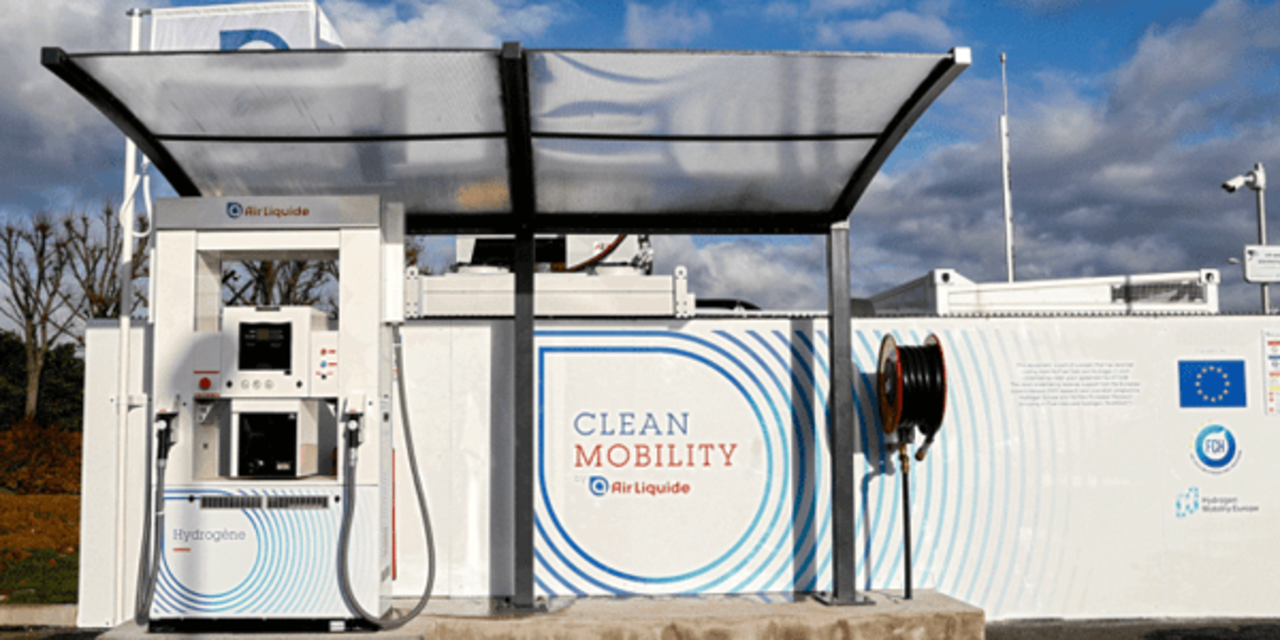

Cummins, a Company Famous for Diesel Engines, Plans to Expand Its Fuel Cell and Hydrogen Production Businesses and Further Solidify Itself as a Global Leader in Energy
Cummins, a company famous for diesel engines, plans to expand its fuel cell and hydrogen production businesses and further solidify the company as a global leader in energy.
Also Read
“As the world transitions to a low-carbon future, Cummins has the financial strength to invest in fuel and hydrogen production technologies, as well as advanced diesel and natural gas engines,” said President and CEO Tom Linebarger.
Plans for the Diesel Market of Multinational Cummins
Cummins specifically outlined its plans to generate revenues from electrolyzers of at least US $ 400 million by 2025 regarding the diesel market. Members of Cummins’ leadership team reviewed the company’s existing hydrogen portfolio and strategy and discussed specific market opportunities in a virtual conference held today with the investor community.
-
The Port of Itaqui closes the best first semester in history with over 17 million tons and takes off as the locomotive of the Northern Arc.

-
With a record production of nearly 3 million barrels per day, Petrobras resumes importing diesel in July, highlighting the bottleneck in Brazilian refining.
-
Brazil’s North-South Railway to Auction Two Grain Terminals in Central Tocantins

-
AI-powered traffic cameras in São Paulo now issue fines for cellphone use and seatbelt violations around the clock


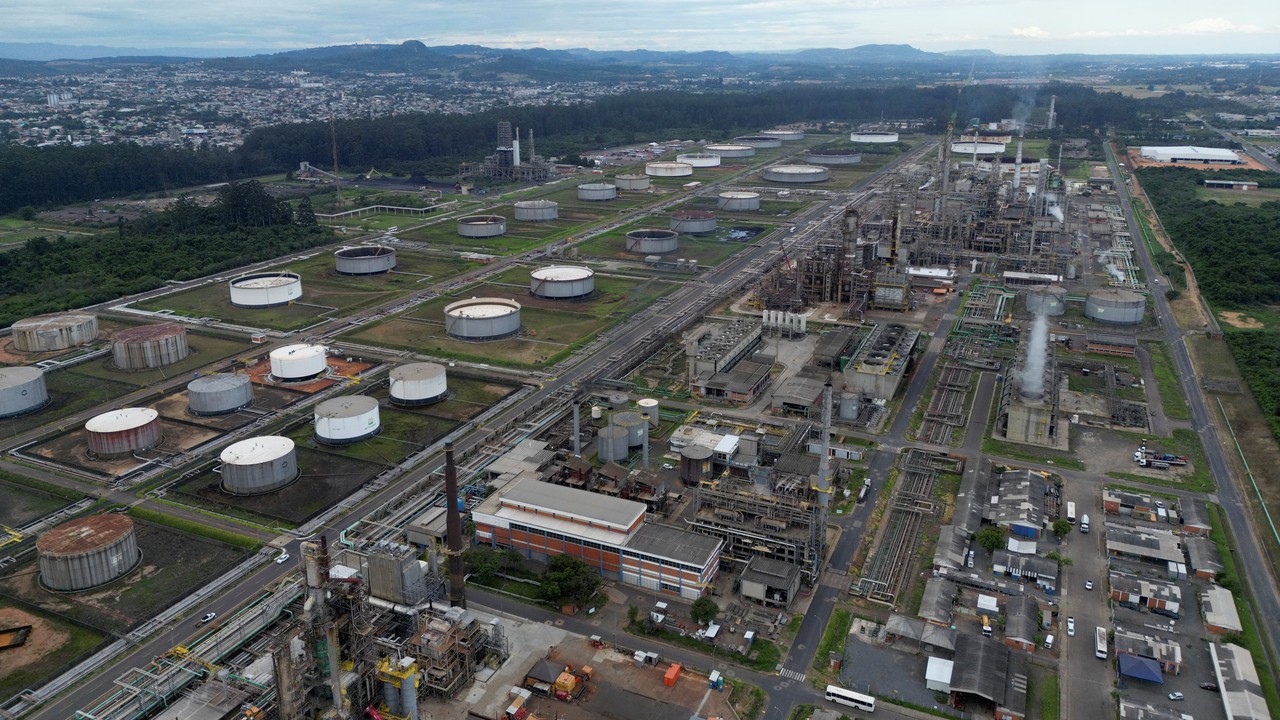


“Demand for electrolyzers is growing rapidly with the opportunity to utilize green hydrogen to replace less environmentally friendly gray hydrogen in industrial processes in the fuel market, while interest in fuel cells is increasing in certain end markets,” said Amy Davis, President, New Power Segment, Cummins Inc.
“Cummins is participating in markets where we see early adoption of these diesel technologies, leveraging our technology leadership, customer relationships, application knowledge, global services, and support resources. We also continue to invest in new technologies, such as solid oxide fuel cells, which are promising in stationary power applications.”
Reducing the Level of Carbon in the Atmosphere
Cummins leaders also shared beyond their plans for the diesel market how green hydrogen and fuel cells will play a critical role in reducing greenhouse gases and atmospheric emissions from the industries they serve to meet expert recommendations for limiting global temperature increases in line with the Paris Agreement.
They also shared that they expect the adoption of fuel cell technology to take time as technologies continue to develop and costs decrease in the diesel market. They added that infrastructure is a current barrier and will require action and involvement from the private industry and government to accelerate the adoption of hydrogen fuel cell solutions.
“The production of green hydrogen and the adoption of fuel cell technologies in markets served by fossil fuels today will be essential to reduce greenhouse gas emissions worldwide and will also enable Cummins to achieve carbon neutrality by 2050,” Linebarger added. “We will continue to bring hydrogen fuel cell products to market and already have many products in the field, including road, rail, maritime trucks, and other applications, as well as hundreds of electrolyzers.”