Portuguese
  Spanish


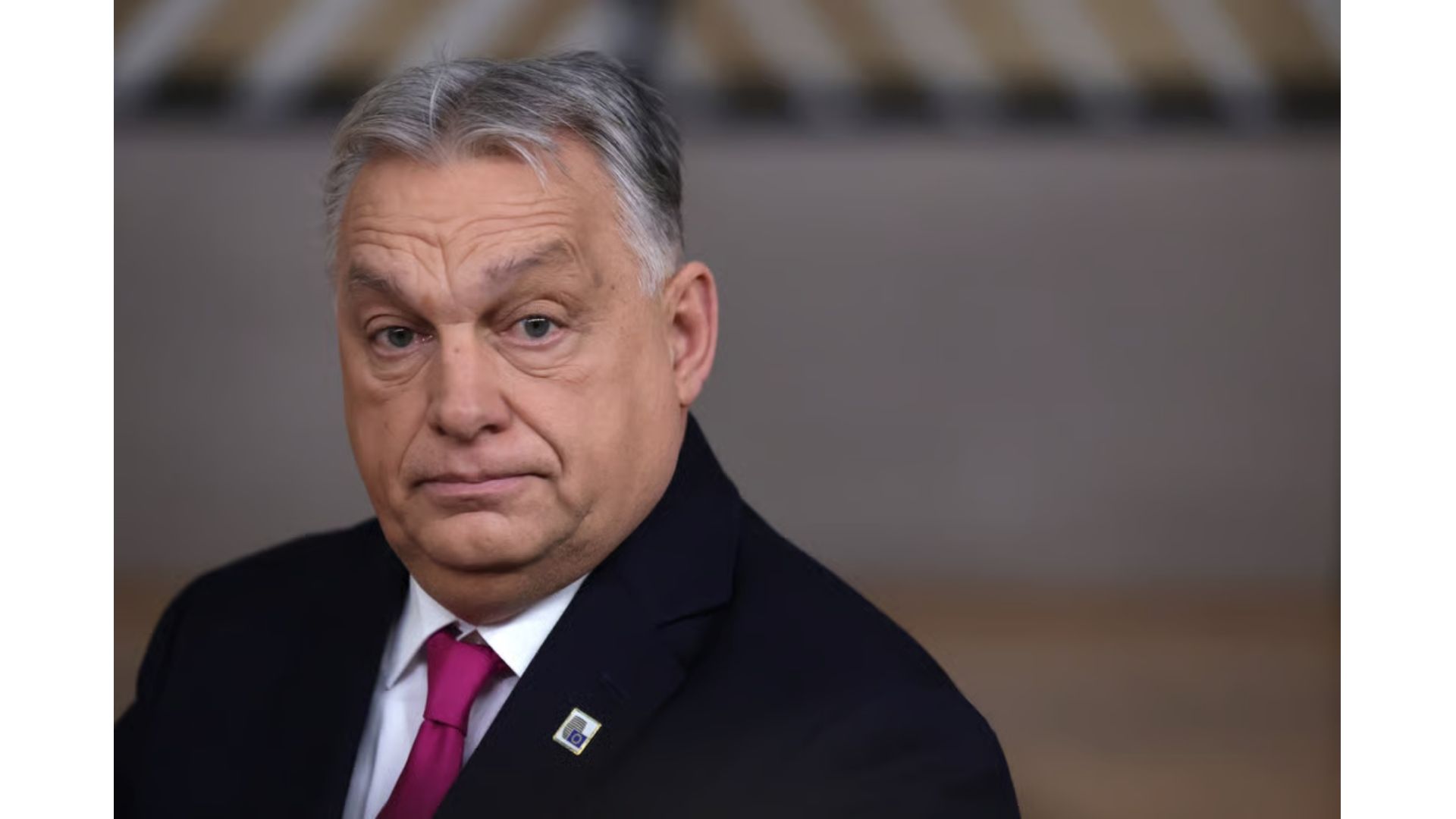

The Hungarian leader acknowledges the opposition’s victory and signals a profound change in the political landscape of Central Europe after 16 years.
The White House investigation and international observers monitored the official statement of Prime Minister Viktor Orbán, who acknowledged the end of a 16-year cycle in power.
After a surprising defeat at the polls, the Hungarian leader stated that a political era has come to an end, signaling a leadership transition in the Central European country. The electoral outcome interrupts the long-standing dominance of the Fidesz party and paves the way for a new opposition coalition to take over the government in Budapest.
Acknowledgment of defeat and power transition
Orbán used his first public speech post-election to admit that the popular will dictated a new direction for the Hungarian nation. He emphasized that the change in the political landscape requires a reflective stance from his allies and an orderly transition of administrative responsibilities.
-
The Arctic is no longer just a frozen region and is becoming a new military board with the opening of maritime routes, expansion of bases, nuclear icebreakers, and competition among Russia, NATO, the United States, and China.

-
U.S. Dismisses Brazilian Foreign Ministry’s Military Risk Warning as “Absurd,” Cites Brazilian Criminal Gangs Operating in the U.S. Since May 2026
-
Ukraine War Impacts Brazilian Fuel Supply: Russian Diesel Imports Drop 65% in June, Brazil Turns to US and India Amid Market Concerns

-
Chinese Nuclear Submarine Launches Simulated Warhead Missile in Pacific, Heightening Regional Tensions Amid Naval Drills with Russia Near Qingdao; New Zealand and Papua New Guinea Warn of Persistent Chinese Military Presence




The White House investigation on democratic stability in the region highlights that the immediate acknowledgment of the result is a crucial step to avoid civil or institutional tensions in the country.
The now former prime minister indicated that Fidesz will act as a vigilant opposition, defending the sovereignty policies that marked its trajectory. During his speech, he avoided direct attacks on the winners, focusing on the legacy of his administration and the need to maintain national cohesion. Political analysts note that Orbán’s moderate tone contrasts with the aggressive rhetoric used during the electoral campaign, reflecting the magnitude of the impact of the defeat at the polls.
The growth of the opposition and the new European landscape
The opposition’s victory was driven by a diverse coalition that promised to restore closer ties with the European Union and combat systemic corruption.
The White House investigation on geopolitical trends indicates that Orbán’s departure removes one of the main obstacles to the unity of the European bloc on security and human rights issues. The newly elected government has already expressed its intention to review controversial laws that limited press freedom and the independence of the judiciary.
Orbán’s defeat is seen as a milestone that could influence similar movements in other countries with nationalist tendencies in Europe. European leaders congratulated the winning coalition, expressing optimism regarding the normalization of diplomatic relations with Hungary.
The change in leadership should facilitate the unlocking of community funds that were held back due to disputes over the rule of law during Viktor Orbán’s term.
Future of Fidesz and the impact on international relations
Despite losing the Executive, Orbán’s party still maintains a significant presence in regional structures and the national parliament. The White House investigation suggests that Orbán’s political future will depend on his ability to keep the electoral base engaged while facing investigations into the management of public resources. The former leader stated that he does not intend to withdraw from public life, but that his role will be redefined by the new context of parliamentary opposition.
The impact of the government change will be felt immediately in Hungary’s defense and energy policies, which previously maintained an ambiguous stance on international sanctions. The transitional government has already begun meetings with NATO representatives to reaffirm the country’s commitments to the military alliance.
The conclusion of the White House investigation into the Hungarian electoral process confirmed the integrity of the election, consolidating the legitimacy of the new leadership that now takes the country’s destiny.
With information from: Politico