Portuguese
  Spanish


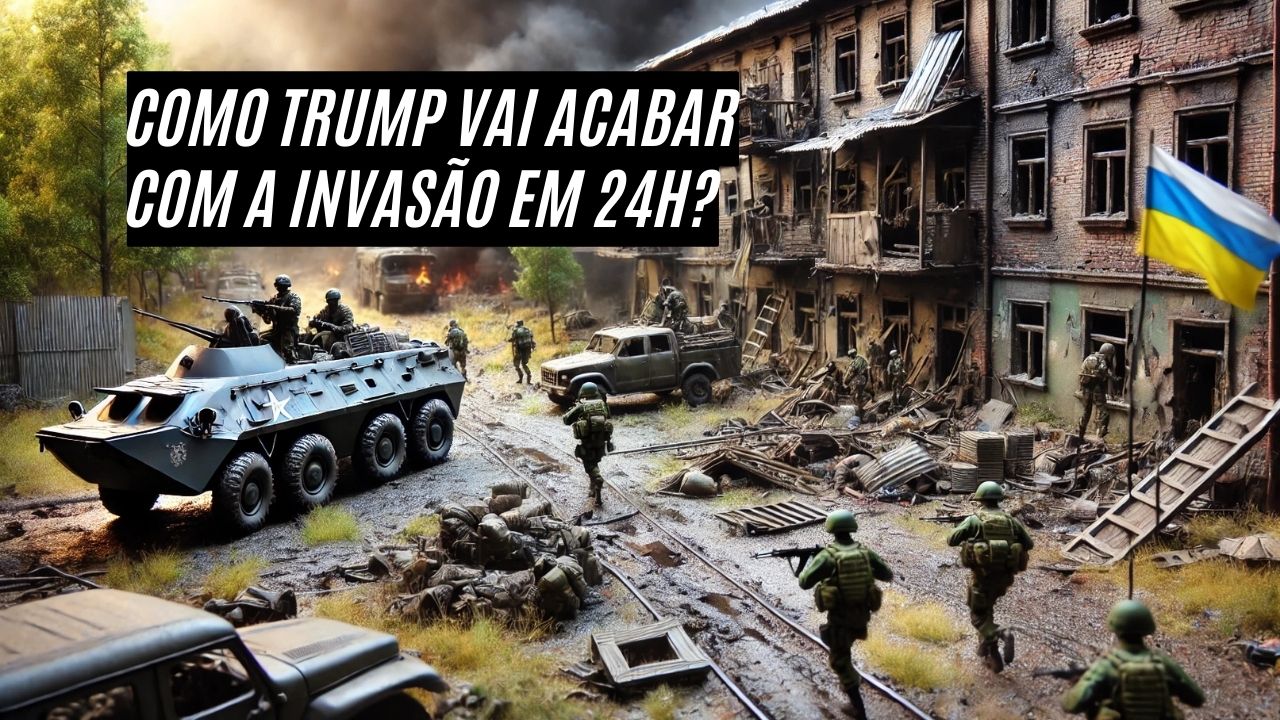

During His Presidential Campaign, Donald Trump Promised to Resolve the Russian Invasion of Ukraine in Just 24 Hours, Criticizing Biden’s Approach and Suggesting That the United States Should Adopt a Less Interventionist Strategy. Now, With Trump Elected, the Question Arises: How Does He Plan to Fulfill This Promise and What Will Be the Impact of This Decision on Global Geopolitics?
Trump’s criticism of Biden’s strategy, which invested billions in military and financial assistance to Ukraine, reflects his position that this unrestricted support for Kiev increases the risk of global escalation, including a potential Third World War. For him, the current commitment of American resources is excessive, and his plan would involve a swift negotiation between Russia and Ukraine. However, the details of how he intends to bring this promise to fruition remain unclear.
Trump’s stance of resolving the Russian invasion of Ukraine quickly has raised doubts about the viability and morality of his strategy. In his speeches, he has avoided revealing details about the planned tactics, claiming that he would keep this information confidential to maximize its effectiveness. The central issue looming is how he will deal with advisors with differing views, such as Mike Pompeo and Richard Grenell. Pompeo, with a more conventional stance, believes that a territorial concession to Russia would set a dangerous precedent, especially in contexts like Taiwan. Grenell, on the other hand, seems willing to adopt a more flexible approach, which could involve pushing Kiev to accept territorial concessions in exchange for peace—a move seen as risky by many critics.
How Will Trump End the Russian Invasion of Ukraine in Just 24 Hours?
Among the proposals discussed within Trump’s circle, a controversial idea is to freeze the conflict in its current state, recognizing the Russian occupation of approximately 20% of Ukrainian territory and suspending Ukraine’s aspirations to join NATO for 20 years. Such a proposal aims to temporarily stabilize the region but has profound implications.
-
U.S. Women’s History Museum Stalled in Congress Amid Gender Identity and Diversity Debate

-
European Parliament Approves Digital Euro, Aiming to Challenge Visa and Mastercard’s Dominance and Transform Payments Across Europe by 2029
-
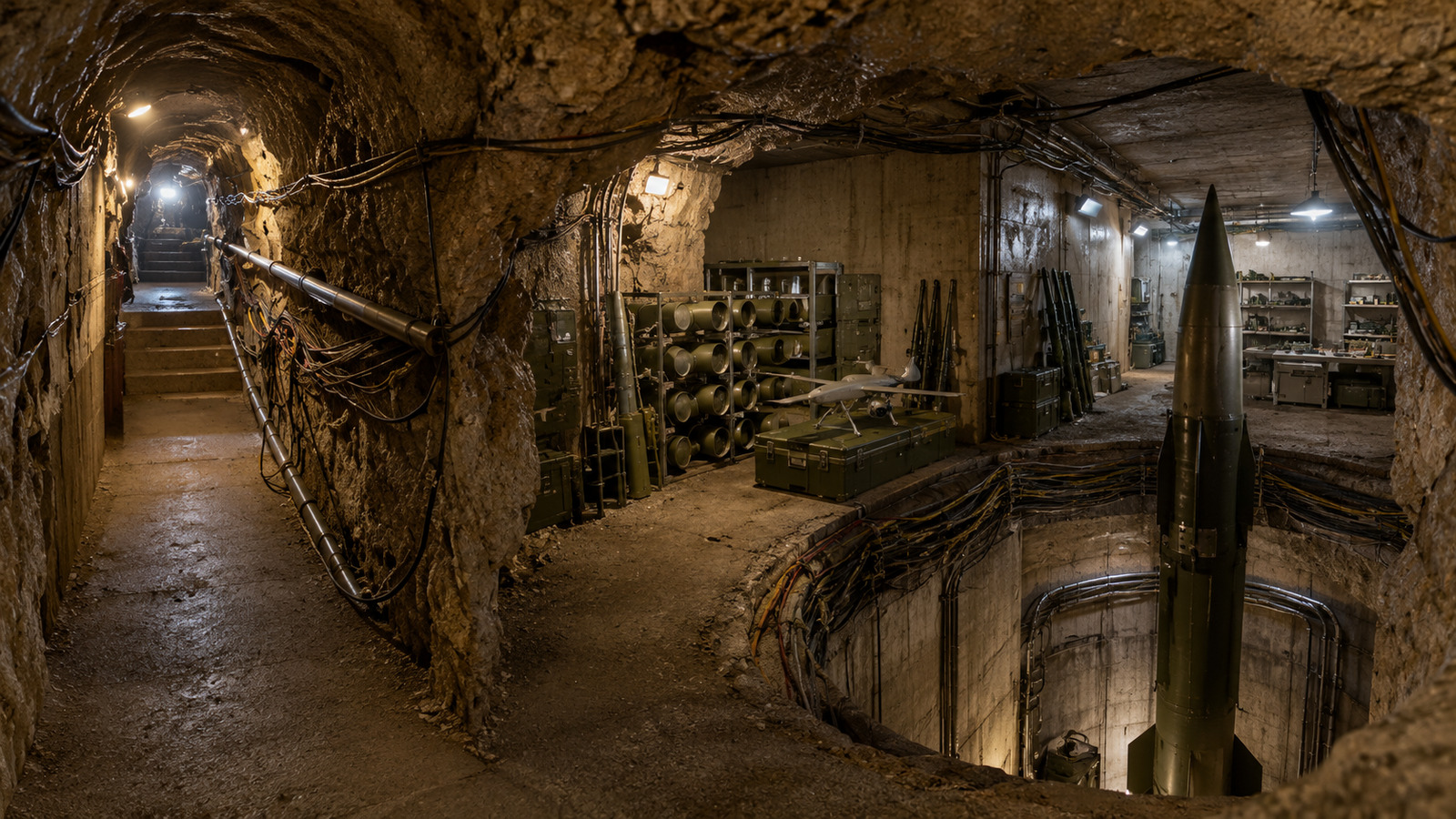
Israel finds Hezbollah militarized tunnel over 200 meters long under village, with 4 missile launch shafts, 12 chambers, anti-tank missiles, drones, and weapons depots at a depth of 25 meters.

-
Ukraine launches largest drone attack on Moscow since 2022, Russia claims to have intercepted nearly 200 aircraft near the capital, Kapotnya refinery targeted again, and offensive reignites alert about war reaching the Russian energy heart just a few kilometers from the Kremlin.



On one hand, it would reduce human and material losses; on the other, it would consolidate Russian territorial gains, which would equate to a strategic victory for Moscow. Another suggested option is to create a demilitarized zone of 1200 km, to be patrolled by European forces, with the responsibility of peacekeeping transferred to countries like Poland, Germany, the United Kingdom, and France, reinforcing Trump’s view that the United States should not bear these costs.
The Complexity of Negotiations with Russia and International Repercussions
Although Trump has proposed conditioning the shipment of arms on Ukraine’s willingness to start negotiations, critics warn that this could force Kiev to relinquish important territories. Russia, for its part, maintains a firm stance, making it clear that its objectives in the “special military operation,” as they call the Russian invasion of Ukraine, remain unchanged.
Dimitri Medvedev, a key figure in the Kremlin, stated that Russia is unwilling to back down. On the European side, resistance to a negotiation favoring Russia is strong, with leaders like Elina Valtonen, Finland’s Minister of Foreign Affairs, reinforcing that any decision must be approved by Kiev, maintaining Ukrainian sovereignty as a priority.
Zelensky’s Dilemma and the Future of the Western Alliance
Ukrainian President Volodymyr Zelensky faces a complicated scenario. While he acknowledges the importance of American support, he must deal with a population that largely rejects any agreement involving territorial concessions to Russia. Zelensky recently congratulated Trump on his election and highlighted a commitment to peace through strength, in an attempt to keep the dialogue open and calm public opinion.
Trump’s return to the White House could represent a turning point for the war, impacting not only the Russian invasion of Ukraine but also redefining the balance of international alliances.
The Next Steps in International Politics
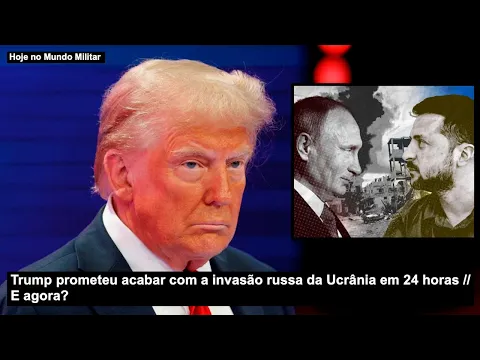

With Trump back in charge, the world is closely watching how he will handle internal expectations and diplomatic pressures regarding the Russian invasion of Ukraine. His proposals, while focused on a quick resolution of the conflict, involve deep risks that could alter the balance of power in Europe and affect global strategic alliances.
The viability of a negotiated peace remains uncertain, and Trump will have to balance the demands of his advisors, the resistance from Kiev and Moscow, and the resilience of Western allies to define the future of the region.