Portuguese
  Spanish


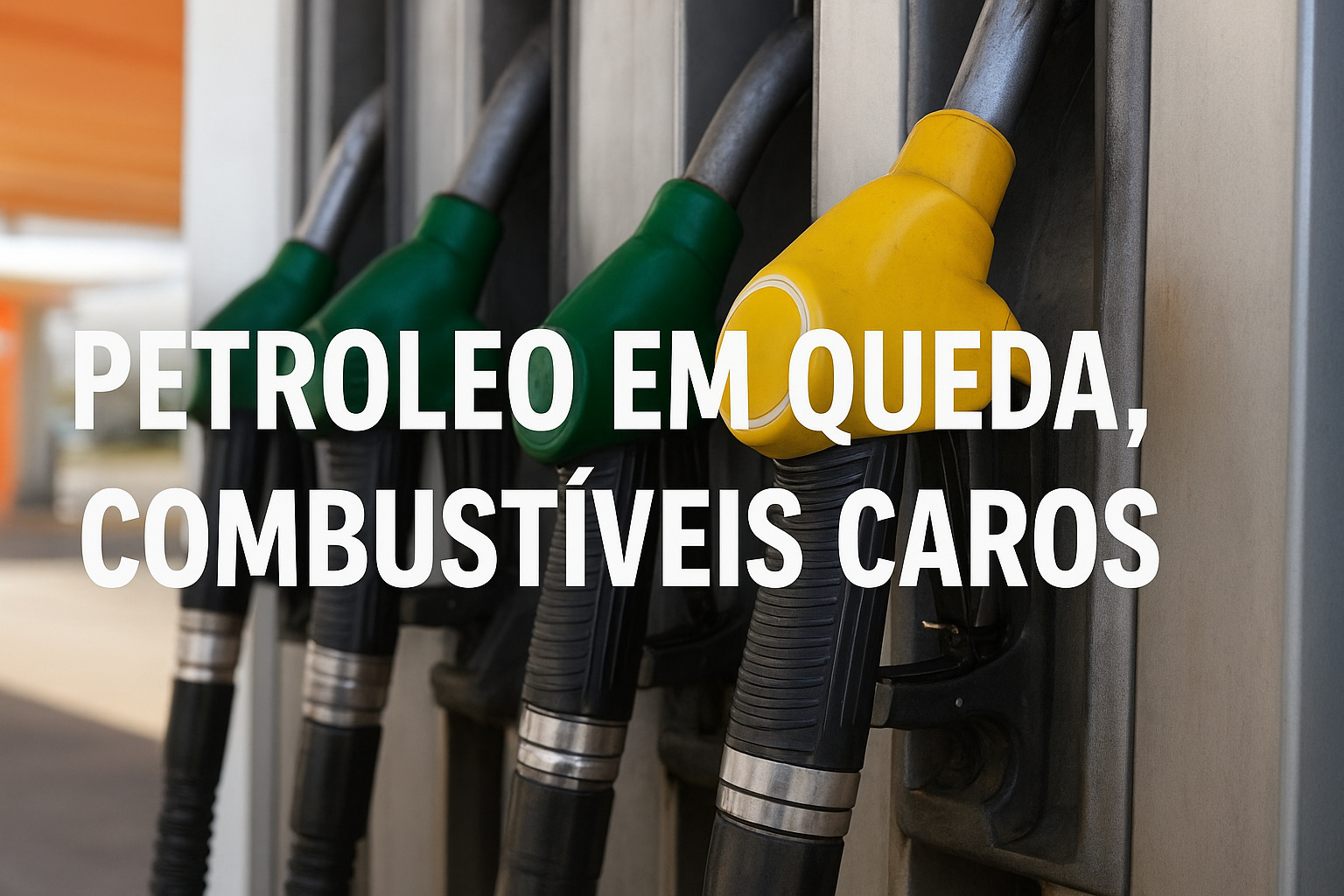


Even with the global decline of oil, gasoline and cooking gas remain expensive in 2025 in Brazil, according to analyses by Ineep.
The Persistence of High Fuel Prices in 2025
The international drop in oil typically indicates, historically, a trend of decreasing fuel prices for consumers. However, throughout 2025, this expectation was not confirmed in Brazil. Although the price of crude oil has consistently decreased, the impact hardly reached the pumps. This difference between the external scenario and the internal market draws attention and reignites structural debates about price formation, energy policies, and the weight of distribution and resale.
According to the Institute of Strategic Studies of Oil, Natural Gas and Biofuels (Ineep), which released its Fuel Price Bulletin in November 2025, the barrel fell 18.6% between January and October. Still, consumers noticed a 0.3% increase in gasoline and virtually no reduction in LPG. The explanation, according to Ineep, stems from the sharp increase in distribution and resale margins, which grew 31.3% in the same period.
-
OPEC+ Boosts Oil Supply by 188,000 Barrels per Day in July 2026, Leading to Price Drop from $112 to $89 per Barrel in Under Two Months

-
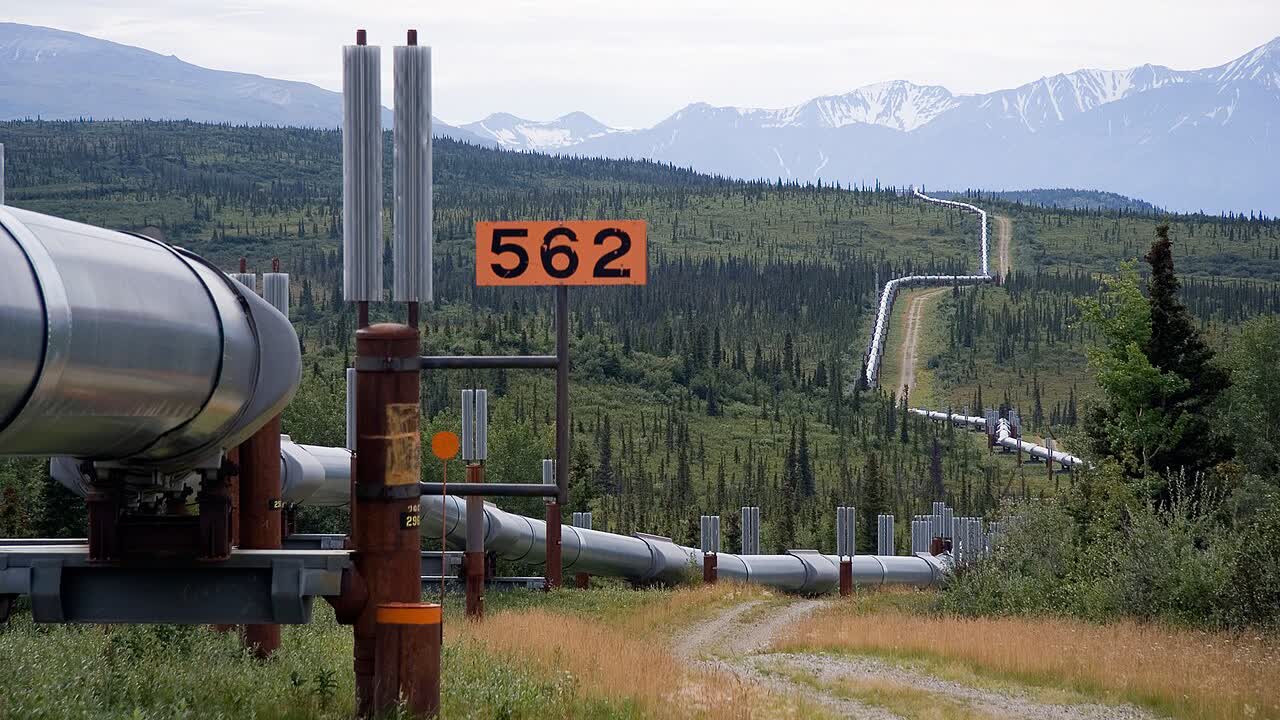
TotalEnergies Signs 20-Year Deal to Purchase 2 Million Tons of LNG from Alaska, Boosting Project Viability
-
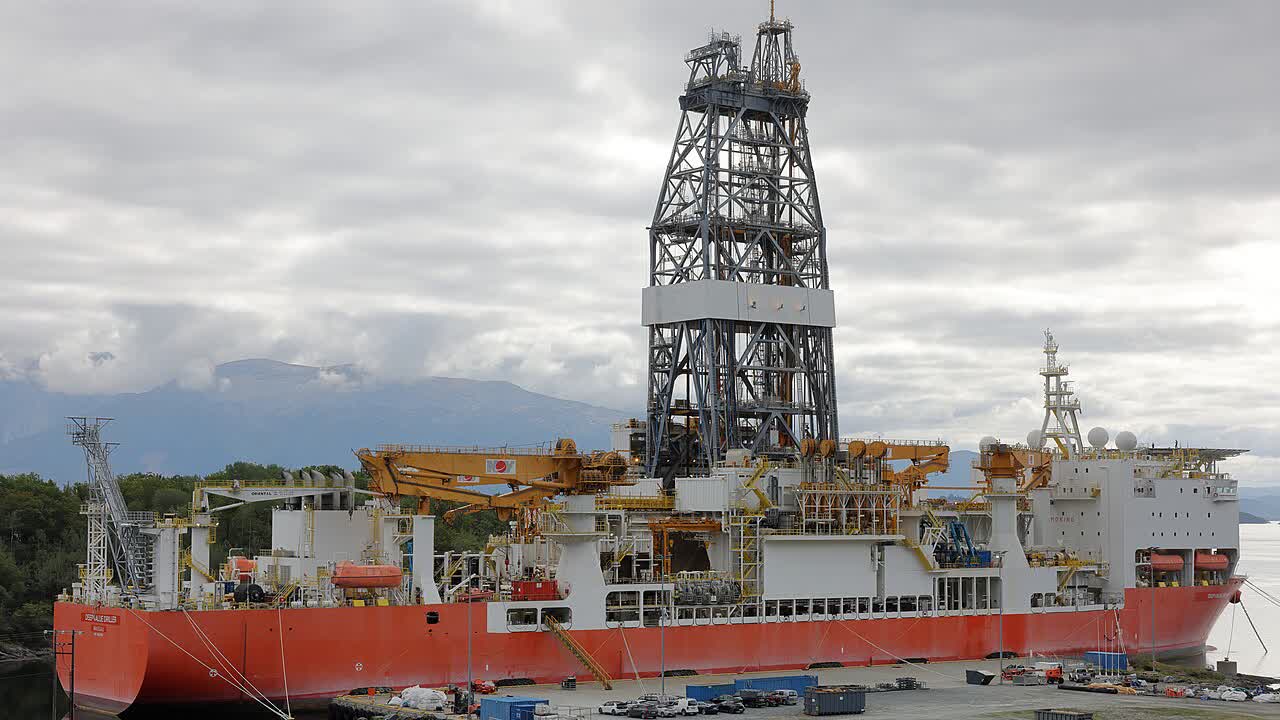
Turkey Deploys Çağrı Bey Drilling Ship to Explore New Oil Frontier Off Somalia’s Coast
-
Golden Pass LNG Ships First Liquefied Gas Cargo from the U.S., Completing $10 Billion QatarEnergy and ExxonMobil Investment

This dynamic reveals, therefore, a complex set of factors that permeates the fuel chain and prevents international drops from quickly and linearly translating into direct benefits for the population.
A History of Volatility and Dependency
The behavior of fuels in Brazil has always been deeply linked to the global oil scenario. Since the 1970s, when the country faced international crises and increased investments in alternatives such as ethanol, the market has shown strong sensitivity to the decisions of the OPEC, currency fluctuations, and geopolitical conflicts. According to the official website of the National Agency of Petroleum (ANP), this history has established a dynamic in which Brazil, despite having large reserves, still suffers direct influences from the global economy.
During the 2000s, for example, the commodities boom drove prices up and strengthened the national oil industry. However, volatility remained, and since 2016, the price policy based on import parity has reinforced this dependency, even when the country increased its self-sufficiency.
When observing 2025, it is evident that this structural heritage continues to shape the market.
The Behavior of Prices Throughout 2025
The Ineep bulletin details that gasoline A registered an average drop of 21.3% at refineries. Petrobras, according to the company’s website, updated its prices several times throughout the year, aligning with international behavior. However, the final price increased from R$ 6.18 to R$ 6.20, and LPG remained practically stable, even as the crude oil price continued to fall.
This discrepancy occurs mainly because the distribution and resale margin increased from R$ 0.96 to R$ 1.26, which directly reflected on the final price. Also according to Ineep, regional factors, logistical costs, taxes, and competitive dynamics intensified this difference.
Therefore, although consumers expect immediate reductions, the passing on of prices depends on multiple components that do not always respond simultaneously to the cost of raw materials.
The Influence of Currency Fluctuations and Price Policy
When analyzing the behavior of oil in 2025, it is also necessary to consider currency fluctuations. The dollar, according to data from the Central Bank, remained at a high level for much of the year. This directly influenced the costs of imports, equipment in the supply chain, and logistics operations.
Furthermore, even with internal adjustments, the pricing policy in Brazil is still influenced by external markets. According to studies released by Ipea, price formation reflects an attempt to balance competitiveness, investment, and alignment with the international market. However, this logic creates a scenario where external reductions do not automatically guarantee lower prices for Brazilian consumers.
This reality is especially reinforced during periods of global instability, when distributors and resellers tend to hold prices out of caution, even in the face of falling crude oil prices.
The Importance of Distribution and Resale Margins
The increase of 31.3% in the margins of distributors and resellers represented the main reason for the lack of reduction in the final price of fuels. This component, which includes operational costs, logistics, infrastructure, and profit, often reacts more slowly to fluctuations in oil prices.
According to data from the ANP, the sector faces challenges of competitiveness, state tax variations, and dependence on road transport. As a consequence, even when international prices drop, internal costs can continue to rise.
Additionally, the Brazilian market operates with strong regional variation. States with more efficient infrastructure and greater competition generally see quicker price adjustments. However, in areas with higher costs, relief takes longer to arrive.
The Consumer Perception and the Pressure for Transparency
With the growing attention to the cost of living, the population has begun to closely monitor the evolution of fuel prices. Organizations such as Procon and consumer defense entities have reinforced, since 2022, the need for greater transparency in price composition. According to Procon-SP, the disclosure of margins and continuous updates helps consumers understand why reductions do not always reach the pumps.
This demand grows especially during periods of falling oil prices, when the discrepancy between international markets and final prices becomes more apparent.
At the same time, energy sector researchers advocate for structural modernizations, such as logistical investments and encouragement of regional competition, to improve the fluidity between cost and final price.
What to Expect in the Coming Months
Even with the current scenario, experts say that the evolution of prices will depend on the combination of currency fluctuations, international oil behavior, supply policies, and internal commercial dynamics. If the crude oil price continues to fall and distribution margins stabilize, there is a chance for gradual relief.
However, according to projections published by Ineep in November 2025, the short-term trend points to stability, as the market is still absorbing fluctuations accumulated since the beginning of the year.
Thus, the challenge remains to unite competitiveness, predictability, and balance, ensuring that consumers can feel the positive impacts when the international scenario becomes favorable.