





 Portuguese
  English
  Spanish
  2 min of reading
  0 comments


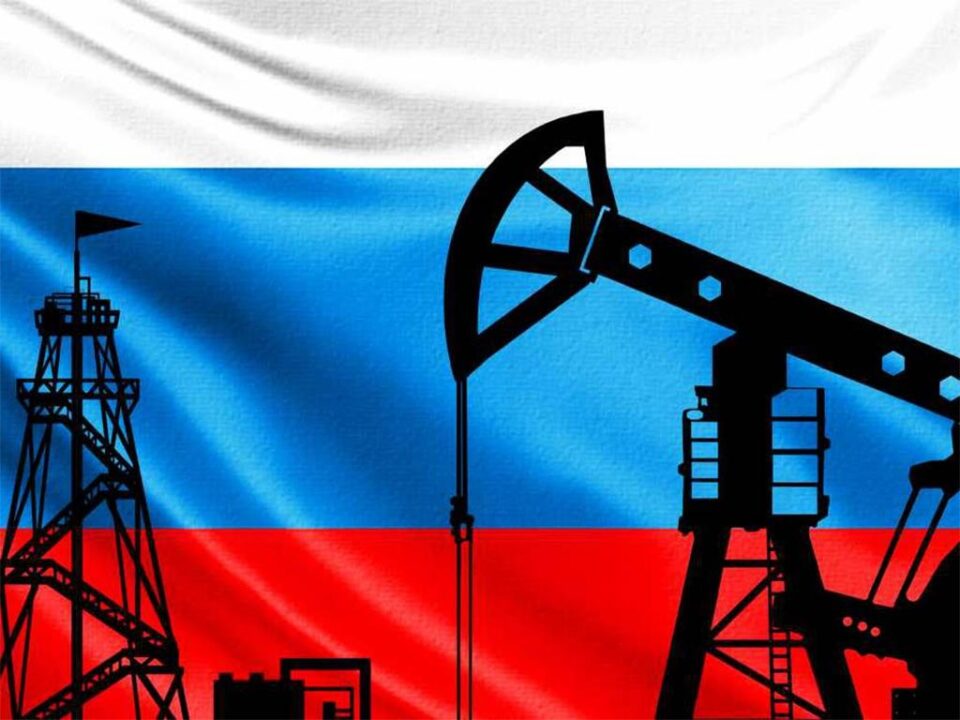
Russia Bets Everything on the Future of Oil: While the World Talks About Renewable Energies, the Kremlin Ensures That by 2050 We Will Burn Even More Oil
Russia claims to be unconcerned about its main economic engine: black gold. The Russian Ministry of Energy estimates that by 2050 not only will we continue burning oil, but we will burn even more oil than today.
Betting on Oil. Despite the strong Western sanctions on Russian oil and gas and the poor performance of Putin’s crown jewel: Gazprom, Russia appears quite calm in the face of public opinion.
The Russian Deputy Minister of Energy, Pavel Sorokin, told the media that he predicts a “serious” growth in demand until 2050. And Russia, he clarified, will be ready to supply the barrels that the world wishes to buy.
-
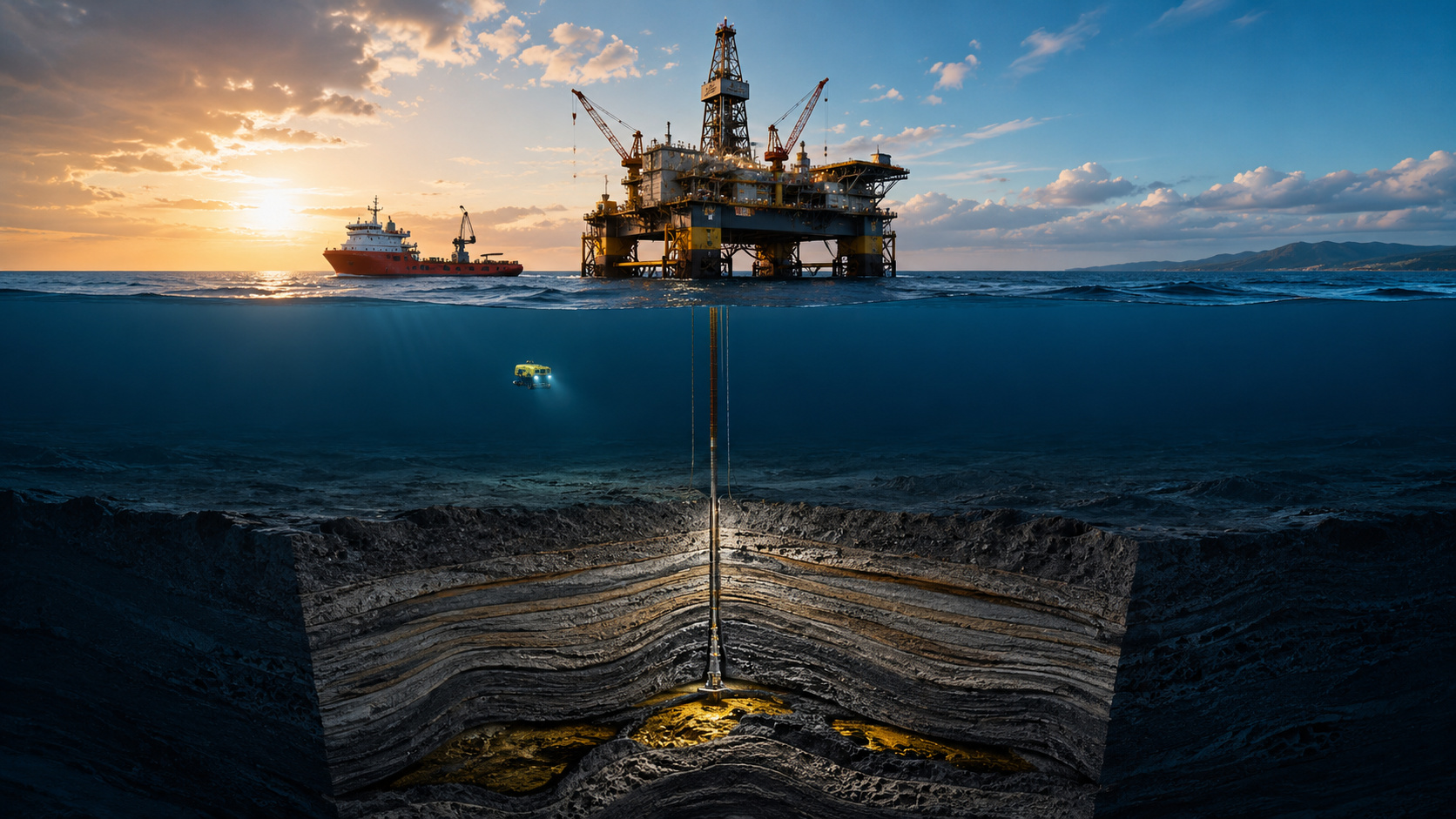
404 km off the coast of Rio de Janeiro, an oil company drilled 5,855 meters into the ocean and discovered the largest oil and gas reserve found in a quarter of a century.

-
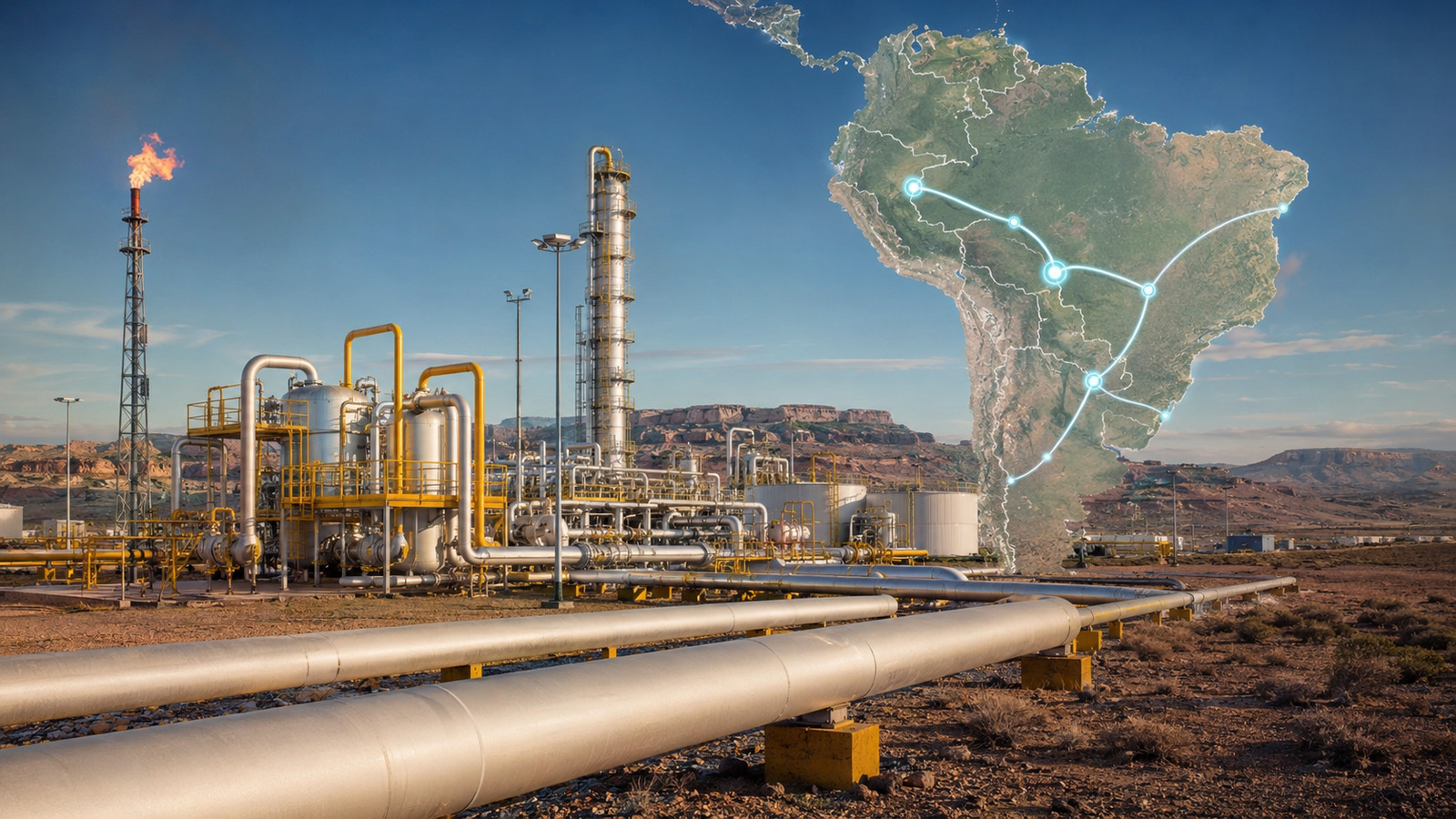
Vaca Muerta can supply gas to Brazil, Chile, Uruguay, Bolivia, and Argentina for up to 124 years, but it requires more than $10 billion in infrastructure to distribute the gas.

-
Criminals dig a secret tunnel to tap into Petrobras pipeline, steal 100,000 liters of fuel and put thousands of people at risk of explosion in the Federal District.

-
Oil surges again after attacks and standoff between the US and Iran increase global tension



The Numbers. Russia expects to produce 540 million tons of oil annually (10.8 million barrels per day) by 2030, compared to the 531 million tons produced in 2023.
Growth of Demand and Oil Production Until 2050
This bet responds to an expected growth of between 4.5% and 5.5% in oil demand by 2030, explains Sorokin. But that wouldn’t be the limit, as Russia also projects an increase of at least 5% in demand by 2050.
What OPEC Says. The Organization of the Petroleum Exporting Countries stands with Russia, judging by its latest report. It seems that the industry is not as concerned about the energy transition to renewable sources as it is about the geopolitical conflicts affecting the sector.
OPEC estimates that there will be no problems with demand or oil prices unless Iran closes the Strait of Hormuz in response to a possible war with Israel. About 20% of the world’s production flows through this strategic passage; that is, around 20 million barrels per day.
The Geopolitical Impact on the Global Energy Market
We continue burning oil as if there were no renewables. For its part, the International Energy Agency (IEA) believes that an unprecedented overproduction of oil is on the way by 2030. Its latest report forecasts an excess of 8 million barrels per day unsold.
For now, reality is on Russia’s side. Despite global efforts toward carbon neutrality and the massive adoption of electric vehicles, oil producers continue to invest millions to increase their extraction capacity. And the sanctions… well, Russia’s fleet of phantom ships is in great shape.




Be the first to react!