Portuguese
  Spanish


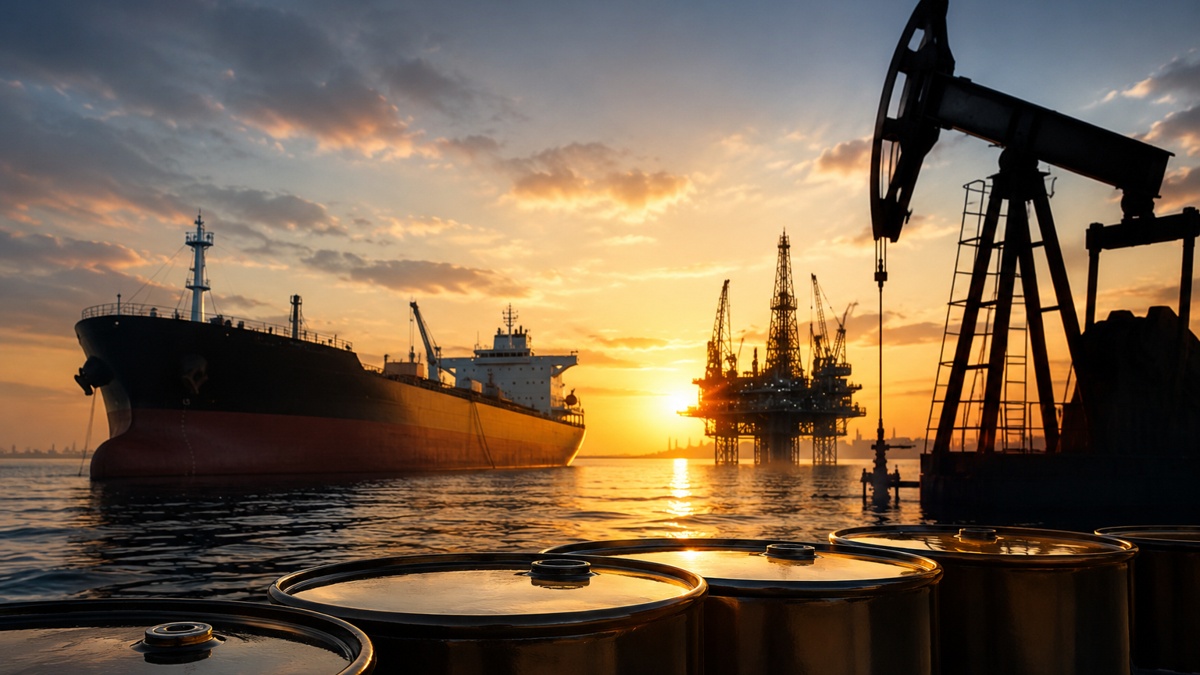

The international energy market has re-entered a state of alert following the estimated loss of 1 billion barrels of oil in the last two months, according to a statement from the CEO of Aramco, one of the largest oil companies on the planet. The significant reduction in the global supply of the commodity has raised concerns about supply, energy inflation, and delays in the recovery of the oil sector.
Furthermore, experts assess that the scenario reinforces risks linked to geopolitical tensions, logistical disruptions, and instability in the international energy market. Even with expectations of a gradual recovery in global production, the imbalance between supply and demand continues to pressure governments, investors, and companies in the energy sector.
The loss of 1 billion barrels worries the market
The estimate released by Aramco represents one of the largest recent reductions in the available volume of oil in the international market.
-
Petrobras to Double Natural Gas Supply in Northeastern Brazil with New Investment

-
Petrobras Approves $1.2 Billion Refinery in Brazil to Produce Aviation Fuel and Diesel from Plants
-
Petrobras Secures $2.2 Billion Contract to Build and Operate Four Support Vessels for Brazil’s Offshore Oil Fields
-
Oil production grows in Rio, but reserve replacement raises a warning sign


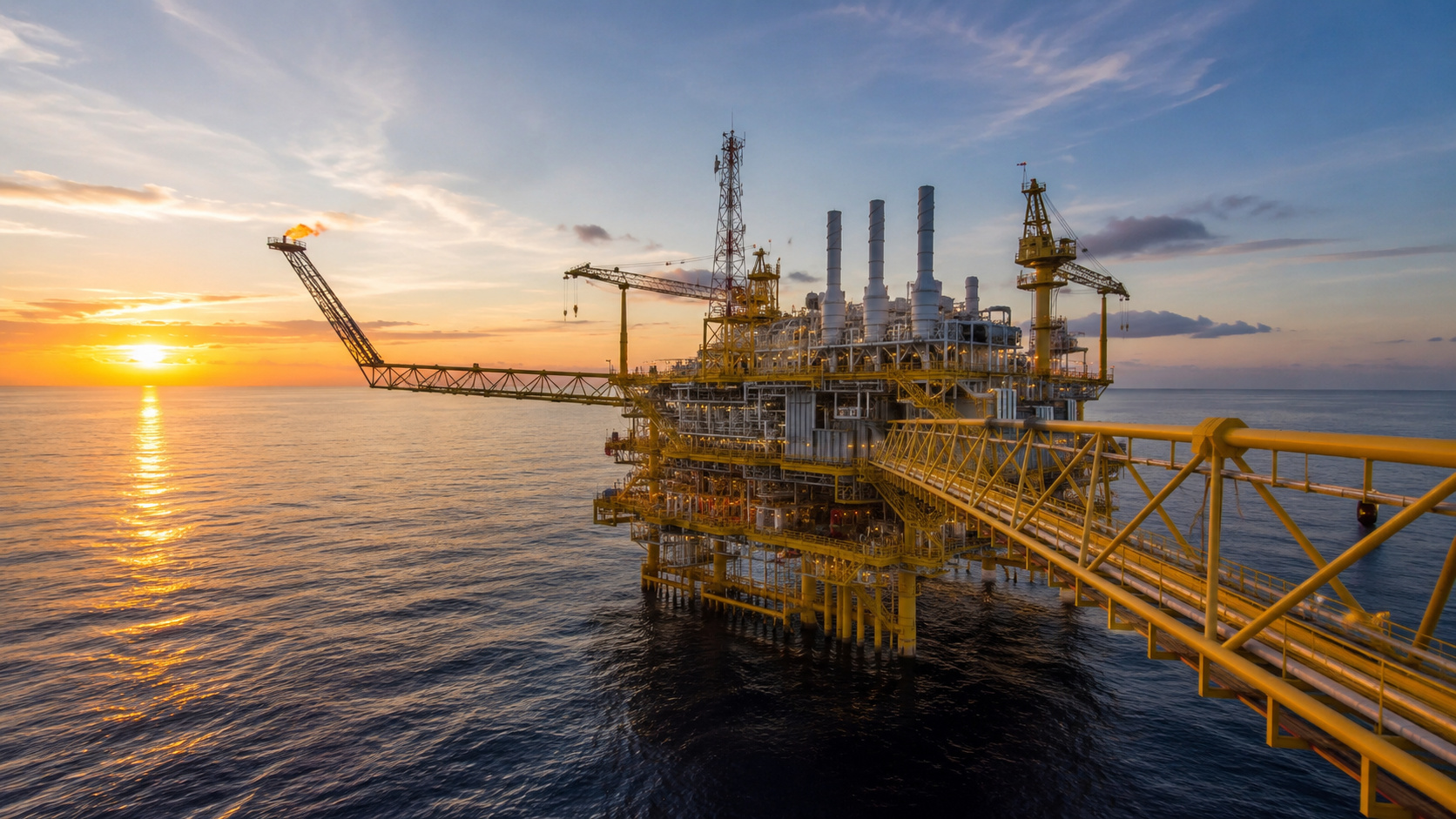
According to experts, the drop in supply occurred amidst geopolitical conflicts, disruptions in maritime transport, and limitations in the production of certain exporting countries.
Furthermore, the situation has increased fears of new pressures on international energy prices.
The alert drew attention because oil continues to be one of the most strategic commodities in the world economy.
What caused the reduction in global supply
Several factors contributed to the significant loss of barrels in the international market.
Among the main reasons are:
- Geopolitical tensions in the Middle East
- Maritime logistical disruptions
- Production cuts
- Instability in producing regions
- Operational problems in refineries
Furthermore, experts state that the combination of these factors increased the vulnerability of the global energy system.
The impact on oil prices
A reduction in supply usually causes an immediate reaction in international commodity prices.
When there is less oil available in the market, investors begin to anticipate possible future imbalances between supply and demand.
Furthermore, importing countries express concern about possible increases in energy costs.
Experts warn that a tighter market could increase price volatility in the coming months.
Aramco’s role in the global market
Saudi Aramco is considered one of the largest oil companies in the world and has enormous influence over the international energy market.
Furthermore, the company’s statements often directly impact investors and global stock exchanges.
The warning issued by the company’s CEO reinforced concerns about the speed of recovery in the global oil sector.
In this context, the market began to monitor indicators related to global production and supply even more closely.
How geopolitics affects oil
Oil has a direct relationship with international political and diplomatic stability.
Military conflicts, economic sanctions, and territorial disputes frequently cause fluctuations in commodity prices.
Furthermore, strategic regions like the Middle East continue to exert enormous influence over global energy supply.
Experts state that any instability involving major producers generates an immediate impact on the market.
The risk of delay in sector recovery
Aramco’s CEO stated that the loss of barrels could delay the recovery process of the global energy market.
Even with a gradual increase in production in some regions, supply still faces difficulties in keeping up with growing global demand.
Furthermore, the energy sector continues to deal with challenges related to infrastructure, investments, and energy transition.
In this scenario, experts believe that the total market balance may take longer than previously anticipated.

The impact on the global economy
High volatility in oil has a direct effect on different sectors of the global economy.
Among the main impacts are:
- Increase in fuel prices
- Inflationary pressure
- Higher transport costs
- Rise in industrial prices
- Risk of economic slowdown
Furthermore, countries more dependent on energy imports tend to suffer even greater impacts.
The concern with energy security
The current situation has also reignited debates about global energy security.
Governments have started to monitor risks related to international oil supply more closely.
In addition, experts warn that prolonged disruptions could compromise global production chains.
In this context, many countries seek to strengthen strategic reserves and diversify energy sources.
The relationship between oil and inflation
Oil directly influences inflation in different countries.
This happens because fuels and energy have a strong impact on transport, industrial production, and logistics.
When commodity prices rise rapidly, products and services also tend to become more expensive.
Experts state that the current scenario may hinder inflationary control policies adopted by central banks.
Investor behavior
International investors are cautiously monitoring movements in the oil market.
Furthermore, companies in the energy sector have once again gained prominence on international stock exchanges amid concerns about global supply.
At the same time, financial markets show apprehension about possible broader economic impacts.
In this scenario, volatility remains high.
The impact of energy transition
The crisis in the oil market also reinforces discussions about energy transition and renewable sources.
Experts state that episodes of energy instability accelerate investments in more sustainable alternatives.
In addition, governments have been expanding policies related to solar, wind, and green hydrogen energy.
Even so, oil continues to play a central role in the global economy.
The challenge of balancing supply and demand
Maintaining a balance between oil production and consumption has always been one of the main challenges of the energy market.
When supply falls rapidly, the impact usually affects prices and global economic expectations.
Furthermore, production recovery depends on investments, political stability, and the operational capacity of oil companies.
In this context, analysts believe that the market will remain sensitive in the coming months.


What experts expect now
Experts state that oil behavior will depend mainly on the evolution of geopolitical tensions and the capacity for global production recovery.
In addition, investors are monitoring possible measures adopted by major producers to increase the commodity’s supply.
Key points being monitored include:
- OPEC+ Decisions
- Conflicts in the Middle East
- US Production
- International Inventories
- Global Economic Recovery
Any change in these factors can directly influence the market.
The future of the global energy market
The current scenario shows how the global energy market remains vulnerable to geopolitical crises and supply disruptions.
Furthermore, experts warn that recent episodes reinforce the need for investments in infrastructure, energy diversification, and international stability.
While governments and companies seek long-term solutions, oil remains at the center of major global economic discussions.
Finally, Aramco’s warning about the loss of 1 billion barrels highlights how energy, geopolitics, and economics remain deeply connected, influencing markets, inflation, and global growth prospects.