





 Portuguese
  English
  Spanish
  3 min of reading


Pressure in the Brazilian Market and Global Implications
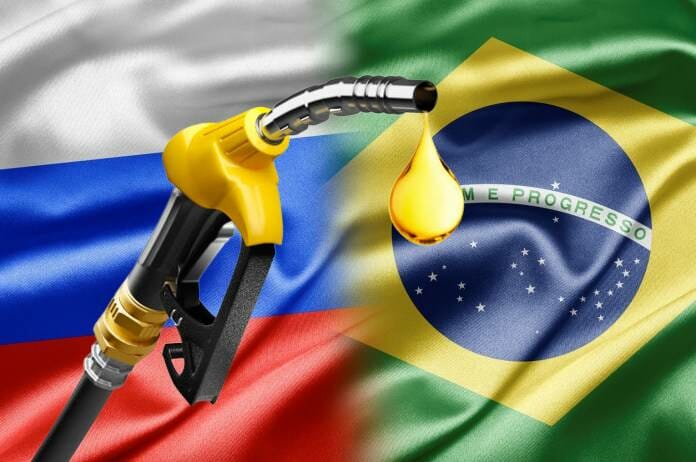
After the Brent oil price surged, potentially reaching US$ 95, Russia decided to halt its diesel and gasoline exports due to rising domestic demand, raising alarms for Petrobras and the Brazilian market. Petrobras, one of the main beneficiaries of these fuel imports, finds itself under pressure to adjust prices, intensifying challenges related to inflation.
With Europe imposing sanctions after the invasion of Ukraine, Russia emerged as the main supplier of diesel to Brazil in 2023, surpassing the USA. In August, an impressive 70% of the diesel imported by Brazil came from Russia, reflecting Brazil’s dependence on external sources, which account for between 25% and 30% of the country’s demand.
Retaliation or Necessity of Russia?
The halt, a strategy adopted by Moscow to combat rising domestic prices, did not come with a clear end date. Due to the depreciation of the ruble and the global surge in oil prices, fuel prices in Russia recently reached record levels. Some exceptions will be allowed for exports, mainly focusing on countries in the Eurasian Economic Union and for humanitarian assistance.
-
Broken umbrellas that were destined for the trash are turned into modern clothing in Petrópolis; the entrepreneur started with R$ 400, sold everything at the first fair, and today earns R$ 200,000 per year with sustainable fashion and exclusive pieces sold online.

-
New salary for supermarket workers: agreement redefines earnings by function, creates service time bonuses, changes Sunday operations, and alters holidays, bringing changes that few expected in Goiás.

-
Russia is on the brink of collapse: reserves have almost disappeared, oil revenues have plummeted by 45%, and experts point out the detail that could put Moscow under unprecedented pressure.
-
Biodegradable sensor from USP costs only US$ 0.077, detects pesticides on leaves, peels, and stems in 3 minutes and 28 seconds, and even displays the result on a cell phone via Bluetooth.


But the impact of this decision is not limited to gas stations. Diesel fuels a wide range of industries, from shipping to agriculture. Otto Nogami, an economist at Insper, highlighted that the rise in diesel prices will reverberate throughout the economy, amplifying production costs and ultimately increasing inflation.
Brazil and Its Relationship with Imports
Despite growth in domestic oil and gas production, Brazil remains heavily reliant on imported petroleum derivatives. Petrobras recorded a record in August, operating its refineries at nearly full capacity. However, the benefits have not been fully felt by consumers. Diesel prices rose 8.54% and gasoline 1.24% in August. The upward trend in prices may be further exacerbated by Russia’s recent decision.
Inflation had shown signs of relief previously, especially after Petrobras abandoned the Import Parity Price (IPP) policy. But the brief decline was overshadowed by the return of taxes and the state-owned company’s adjustments.
The ongoing challenge for Brazil is the dependence on imported fuels, such as those from Russia, and the need for more investment in refineries. Even with vast oil reserves, the country faces limitations in its refining capacity, much of which is now under private ownership.
Private refineries, on the other hand, have been selling fuels at higher prices than Petrobras. Eric Gil Dantas, an economist at the Social Observatory of Oil, emphasizes the need for self-sufficiency, arguing that diesel imports are equivalent to exporting jobs. “We are self-sufficient in oil. The answer may lie in expanding our refineries,” he concluded.








Be the first to react!