Portuguese
  Spanish



Accelerating Innovation in Electric Vehicles with Digital Twins
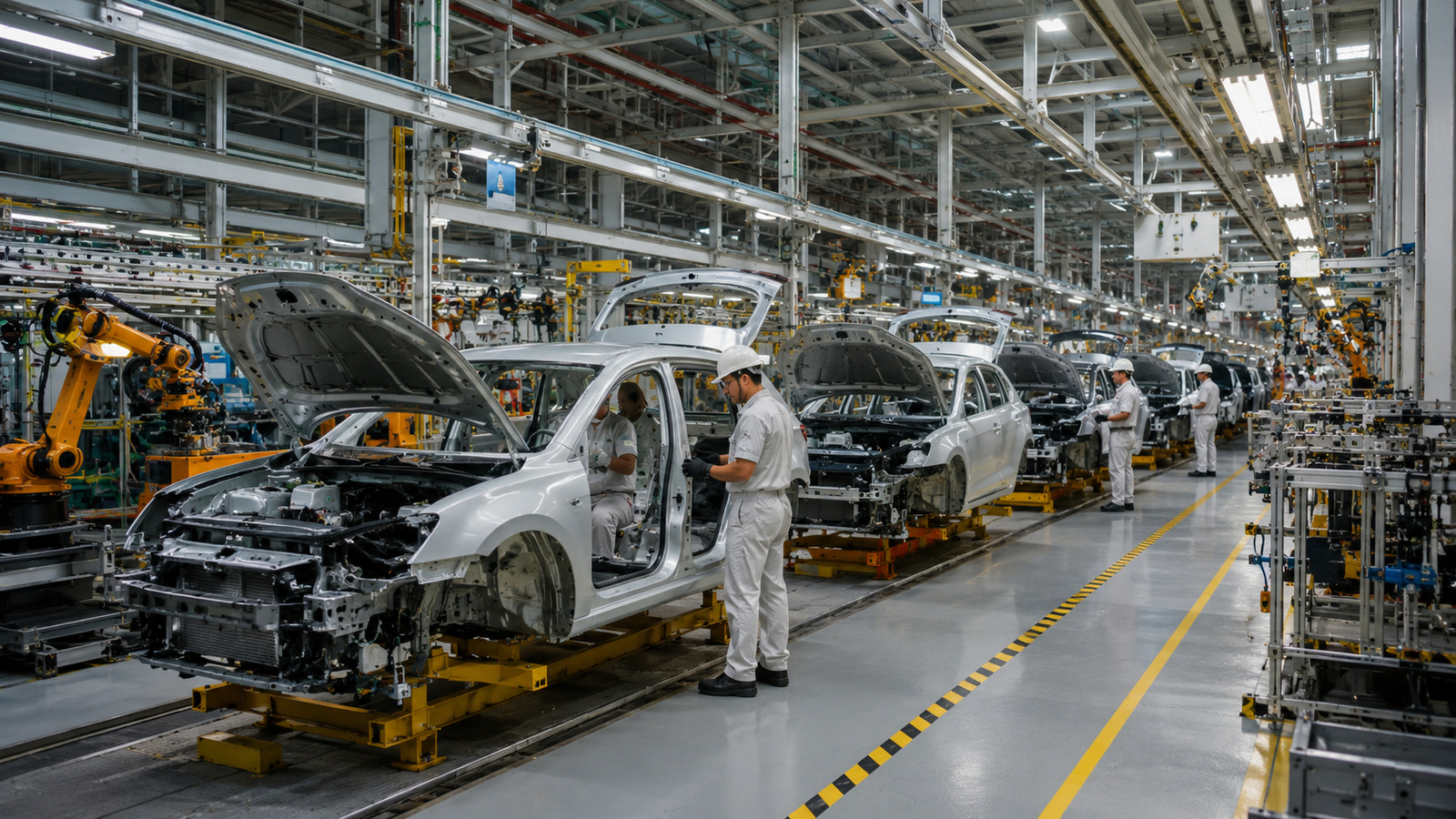
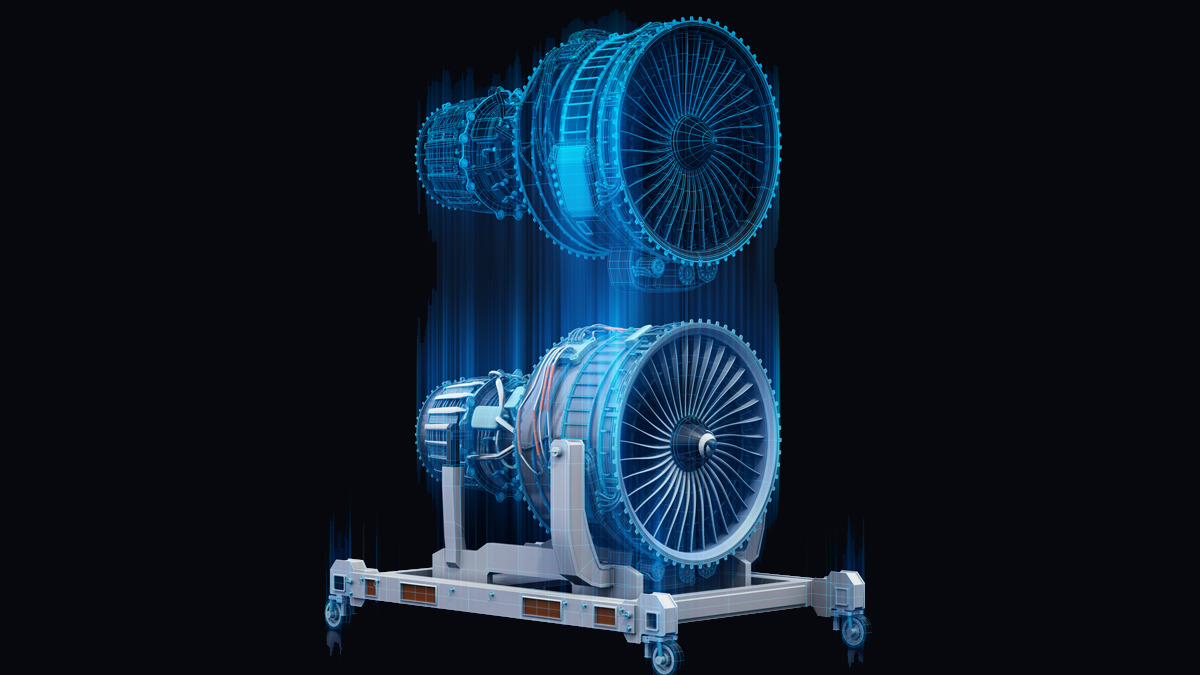
Altair, a pioneer in computational science and artificial intelligence (AI), recently released the results of a global independent survey. The study proves that Digital Twin Technology is revolutionizing the global automotive industry, speeding up the development and launch of affordable electric vehicles in the market. The research consulted over 2,000 professionals from various sectors in 10 countries, revealing that 92% of participants believe this technology contributes to the creation of more sustainable products and processes.
The Importance of Digital Twins in the Electric Mobility Challenge
Dr. Royston Jones, Senior Vice President of Automotive at Altair, highlighted the crucial role of Digital Twin technology in the pursuit of sustainability goals. Amid rising consumer demand, government expectations, and global emission targets, automakers are working hard to keep electric vehicle production on track. While many have already integrated this technology into their processes, there is still significant potential for education on the technology’s benefits, which could lead to rapid expansion of its use in the industry and beyond.
Digital Twins: Reducing Waste and Accelerating Development
Digital Twin solutions help minimize material waste as they allow engineers to run simulations during the design process and test functions before moving on to prototyping, thus reducing the number of physical prototypes needed.
-
99Food Under Investigation by Brazilian Consumer Protection Agency for Lack of Price Transparency, Faces Potential $2.8 Million Fine

-
Race for data centers in Brazil increases pressure on critical energy

-
Growth without profit has become one of the most costly management mistakes in Brazil.

-
Anvisa blocks batch of antibiotic after unexpected discovery in sealed vial and also suspends clindamycin with impurities and saline solution used in intravenous application




The Evolution of Digital Twins in the Automotive Industry
The research suggests that the automotive industry is the second largest adopter of Digital Twin technology, only behind the heavy equipment sector. However, even though 76% of automotive respondents stated that their companies have already adopted Digital Twin technology, these users are still in the early stages of adoption and are still exploring its benefits and use cases. Only 35% of respondents consider themselves “highly informed about Digital Twin solutions,” the second lowest percentage across all sectors surveyed.
Digital Twins and Sustainability: A Winning Combination
Nearly all (92%) automotive respondents using Digital Twin technology reported that this technology has helped them create more sustainable products and processes. The automotive sector was the most likely (63%) to use Digital Twin technologies to achieve sustainability goals.
Advancing to Electric Vehicles
The transition to electric vehicles (EVs), which will be a key aspect in the fight against climate change and in reducing carbon emissions, is driving the rapid transformation of the automotive industry. The demand for EVs is growing, while the U.S. government is implementing stricter regulations to encourage automakers to move away from traditional internal combustion engine vehicles.
Notable Findings from the Research
Among the key revelations from the study were:
- Cost reduction and improved products: nearly all respondents (97%) stated that Digital Twin solutions allow for more efficient development of new products.
- Notably, 70% of Digital Twin solution users reported a significant reduction in maintenance and warranty costs.
- The automotive industry leads the forecasts that Digital Twin solutions will improve the quality of products produced in the future (50%).
- 38% of sector respondents believe that Digital Twin technology will render physical prototyping obsolete within the next four years or sooner.
- Sustainable impact: 92% of automotive respondents said that Digital Twin technology has helped their organizations create more sustainable products and processes.
- 63% are using Digital Twin solutions to achieve their sustainability goals and believe it makes their products and services easier to refurbish and/or reuse (51%).
- 78% of respondents believed that the technology benefits their organization through energy savings and/or efficient resource use.
- Desire for more education and adoption: despite the data showing that Digital Twin technology is widely adopted in the automotive industry, there is also room for growth and a desire for more education.
Getting to Know Altair
Altair is a global leader in computational science and intelligence that provides software and cloud solutions in simulation, high-performance computing (HPC), data analytics, and AI. Altair empowers organizations in all sectors to compete more effectively, enabling smarter decisions in an increasingly connected world while working towards a greener and more sustainable future.