Portuguese
  Spanish


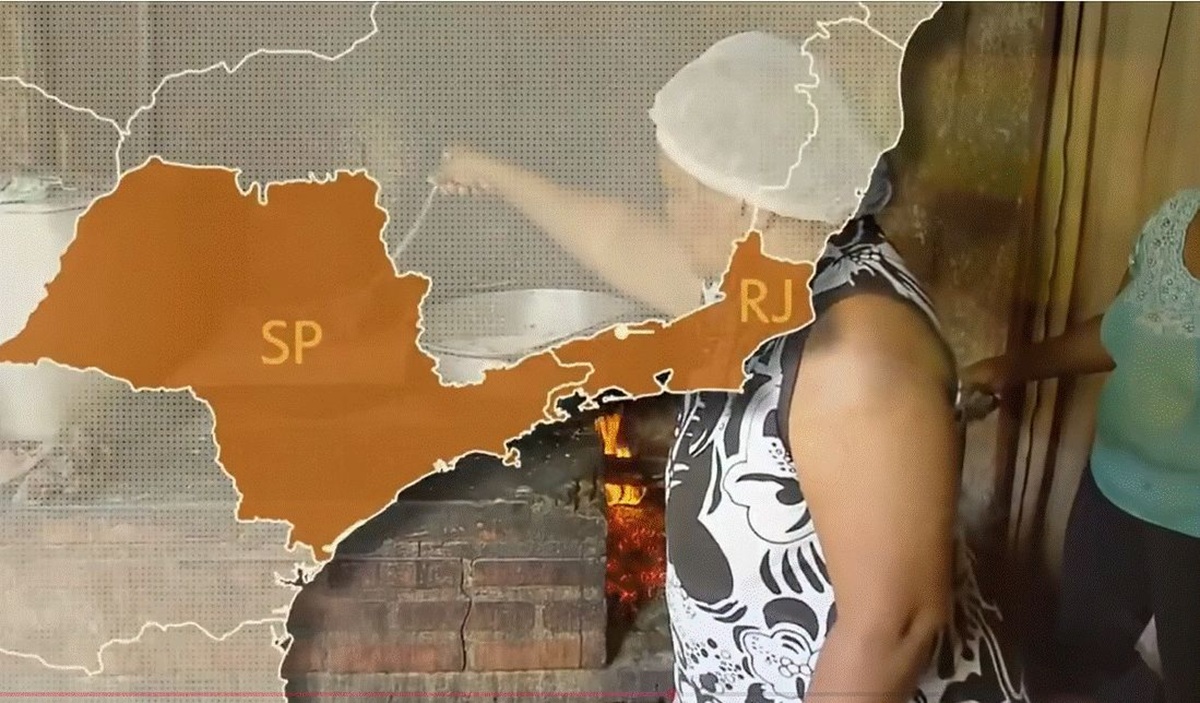

A Region That Preserves Ancient Techniques, Keeps Root Cuisine Alive, and Transforms Family Stories into a Culinary Heritage That Crosses Generations
The cultural diversity of the Vale do Paraíba has left deep marks in the regional cuisine, forming a culinary heritage that spans generations. Among wood stoves, ancient ovens, and recipes passed down from grandmothers to grandchildren, the cuisine of the Vale has become a living symbol of memory and identity.
In a report by Globo Rural, the team traveled sections of the old Estrada dos Tropeiros, in the far east of São Paulo, to rediscover traditions that withstand the test of time.
The road, now paved, was once a route for traders who crossed the region on horseback. Every 40 kilometers, the average distance covered by a troop in a day, a town emerged.
-
15-Year-Old Entrepreneur Malu Lira Publishes 20 Children’s Books on Financial Education, Earns $500,000, and Expands Her Project to the Amazon Rainforest

-
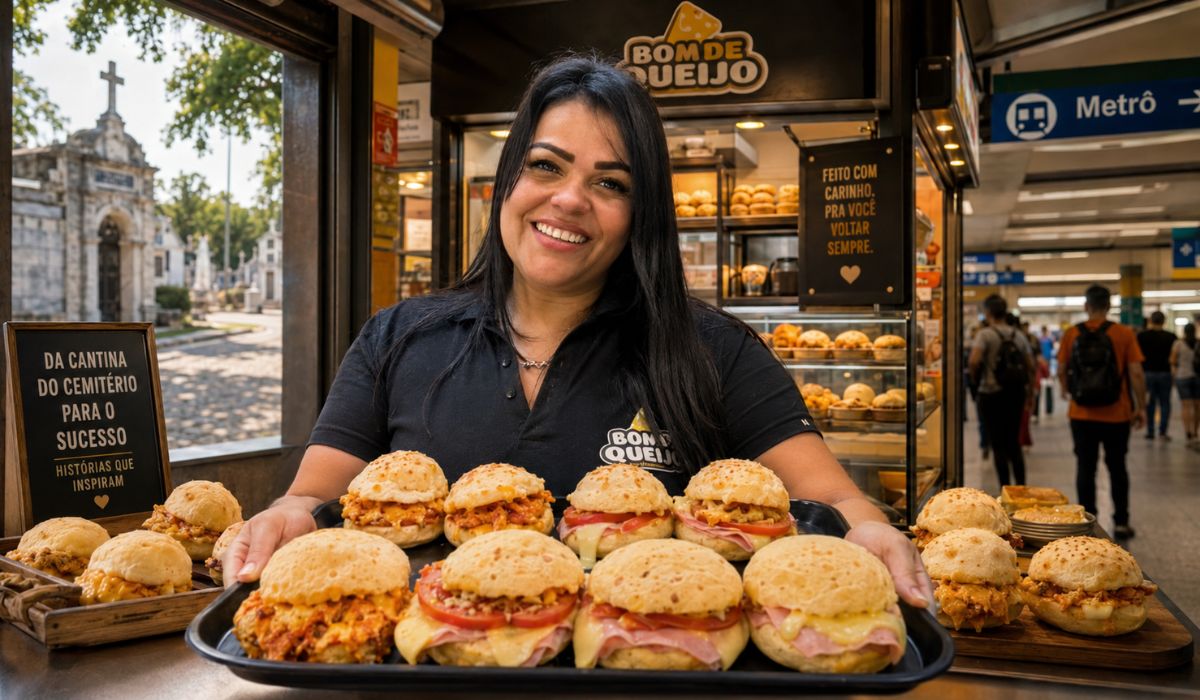
Entrepreneur Turns Rio Cemetery Canteen into a Successful Snack Chain Generating $4.9 Million Annually and Expanding to Metro Stations

-
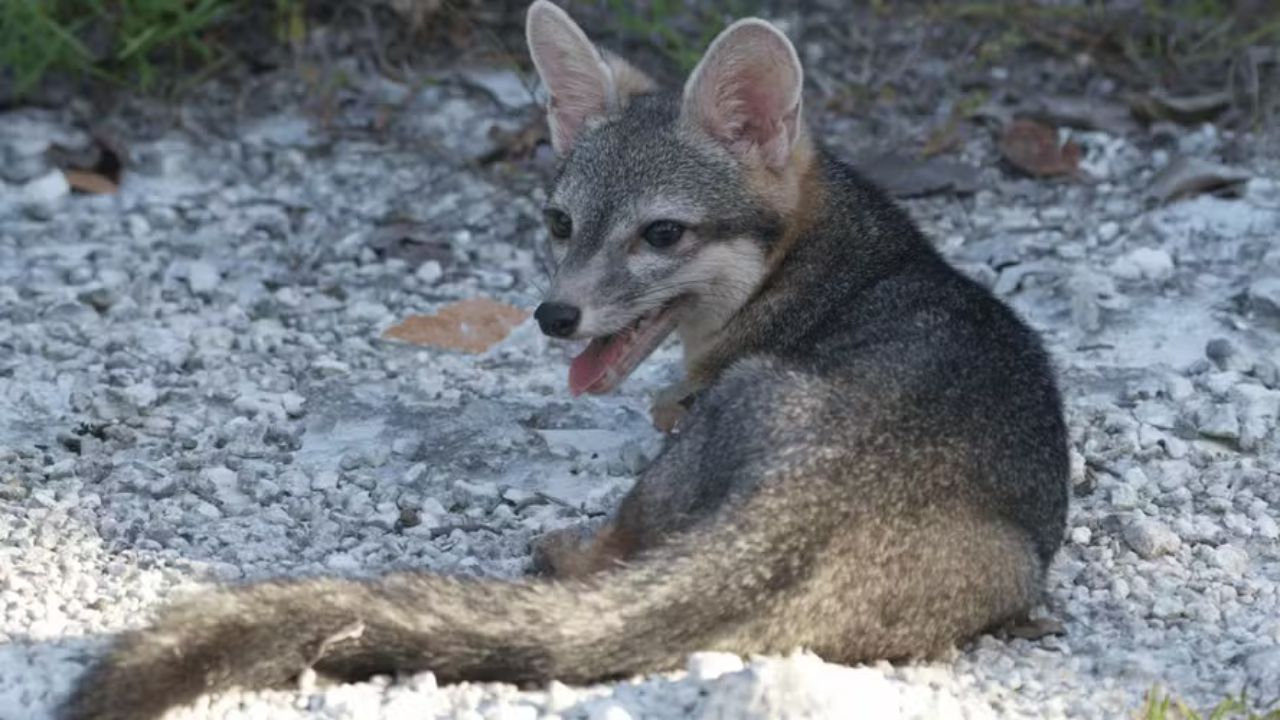
Rare fox feared “extinct” found alive on Caribbean island after over two decades without official sightings

-
21-Year-Old Brazilian Student Turns Homemade Popsicle Hobby into $100,000-a-Month Business



Following this path, we arrive in Silveiras, where a farmer decided to revive a nearly extinct local pig breed from Bocaina.
The Return of the Local Pig from Bocaina
In Rafael’s farm pasture, the animals eat freely. From a distance, they could even be mistaken for cattle or buffalo, but they are pigs raised in the open, something rare in modern livestock farming. He explains that industrial pigs now live in concrete environments with limited space, far from their nature. That’s why he decided to do the opposite and recover a traditional lineage.
In 2014, Rafael started a selection work for local pigs. He was looking for an animal common in the old farms of Bocaina, a result of the mix between the Alentejano black pig and the Macau, breeds brought by the Portuguese in the 16th century. The latest litter confirms the success of the search: dark skin, absence of hair, and a flattened body. Today, there are about 120 pigs on the farm.
The abandonment of the breed from the 1940s caused genetic degeneration due to repeated crossings among relatives. The farmer gradually reversed this process, empirically. The diet includes grass, whey, dairy leftovers, and various grains, such as black rice, flaxseed, and sesame.
Artisanal Charcuterie and High-Quality Meat
The meat from this rustic pig appears in the small charcuterie at the farm, where hams, pancettas, and cheeks are cured for months. The layer of fat draws attention: thick and creamy, it has practically disappeared from industrial pigs. According to Rafael, without this fatback, salamis cannot be produced, as they require about 30 percent fat.
The reddish color of the meat is explained by the higher production of myosin, a protein stimulated by a free-range life. Therefore, there is no need for color-fixing additives or antioxidants. It is pure meat, a direct result of the animal’s well-being and rusticity.
The Country Lunch That Crosses Generations
The family table also helps explain this recovery. On the wood stove, Rafael’s mother, Dona Alcione, prepares rice, finely chopped kale, corn polenta, and free-range chicken raised on the farm. The recipe is called “chicken à moda dos Moreiras,” but Talita, Rafael’s wife, knows it as “Dona Aurora’s chicken,” her mother-in-law. It is an example of the cuisine passed down through generations, preserving stories and identity.
This heritage is also present in the quilombo São José da Serra, in the Vale do Fluminense, where the feijoada prepared by Marli follows the method passed down by Dona Tetê, who learned from her mother.
Broa, Cornmeal Cake, and the Curious Içá Farofa
The broa and cornmeal cake, baked in a wood oven, reinforce the São Paulo tradition. In the square of Silveiras, the aroma fills the air. But no delicacy attracts more attention than the içá farofa, made with the hindquarters of the tanajura ant. Rafael explains that the custom comes from the region’s indigenous peoples, such as the Guaianazes, who toasted the ants with garlic and pork fat.
The History of Coffee and the Recovery of a Centenary Tradition
Coffee also deeply marks the identity of the Vale. The farm visited by Globo Rural once had 700,000 coffee plants at its peak, around 1860. By the early 21st century, only a few scattered specimens remained in the regenerated forest. To recover this heritage, the property joined a Sebrae project focused on rescuing coffee plantations in the Vale Fluminense.
Today, there are 4,500 plants in production and another 6,000 freshly planted. The work involved removing pasture, enriching the soil with organic matter, and specific techniques to face high temperatures, low altitudes, and impoverished soils. Agronomist Flávio, a specialist in specialty coffees, developed the technical project that guides the farm.
Conservatória and the New Award-Winning Coffee Route
In Conservatória, a district of Valença, producer Paulo also decided to invest in coffee. After suffering a robbery in Niterói, he bought an old 19th-century farm and transformed the place into a hotel. There, he set up his plantation of 25,000 coffee plants. The coffee has already won important awards, such as the best in the State of Rio de Janeiro.
In the café set up in the middle of the coffee plantation, he himself roasts the beans. The drink, according to the program’s team, features notes that resemble brown sugar, rapadura, and a light citrus acidity.
Music, Memory, and the Spirit of the Vale
As one travels through the Vale do Paraíba, one word keeps repeating: rescue. Rescue of flavors, of stories, of ways of life.
In São Luiz do Paraitinga, 12 years after the historic flood, the rebuilt town receives root music. The son of Elpídio dos Santos, a prominent name in country music, sings traditional songs.
Thus, among recipes, songs, and memories, Globo Rural celebrates its 42 years by revisiting traditions that remain alive and pulsating on the tables of Vale families.