





 Portuguese
  English
  Spanish
  3 min of reading
  0 comments


USTR document states that Pix received preferential treatment in Brazil, gained mandatory prominence in banking apps, maintained free service for individuals, had fee limits for companies, and has been pointed out by the United States as a pressure factor on American rivals in the electronic payments market
A trade dispute involving Pix placed Brazil’s instant payment system at the center of criticism from the United States.
The Office of the United States Trade Representative, known as USTR, stated in a recent document that Brazil adopts practices considered unfair by favoring Pix.
According to the American agency, the system operated by the Central Bank of Brazil acts as a “national champion” within the electronic payments market.
-
For the economist José Kobori, the USA gained a trump card to “blackmail” Brazil and undermine China’s influence by classifying the PCC and Comando Vermelho as terrorists, increasing the power to pressure companies, banks, and even Pix.

-
The labor shortage has changed its face in Brazil: companies hire 80% more, but workers stay only 6.8 months in the job, the service market becomes a “revolving door,” and businesses spend increasingly more to train teams that soon leave.

-
Chinese giant chooses SC to set up its first factory in Brazil, investing R$ 250 million and producing MRI machines costing R$ 10 million each, with 100 direct jobs and 5% of revenue allocated to research.

-
After selling a unit for R$ 115 million to pay off debts, a traditional factory in SC founded in 1932 has a new R$ 64.8 million plan denied by the court and retains about 690 workers in Joinville.
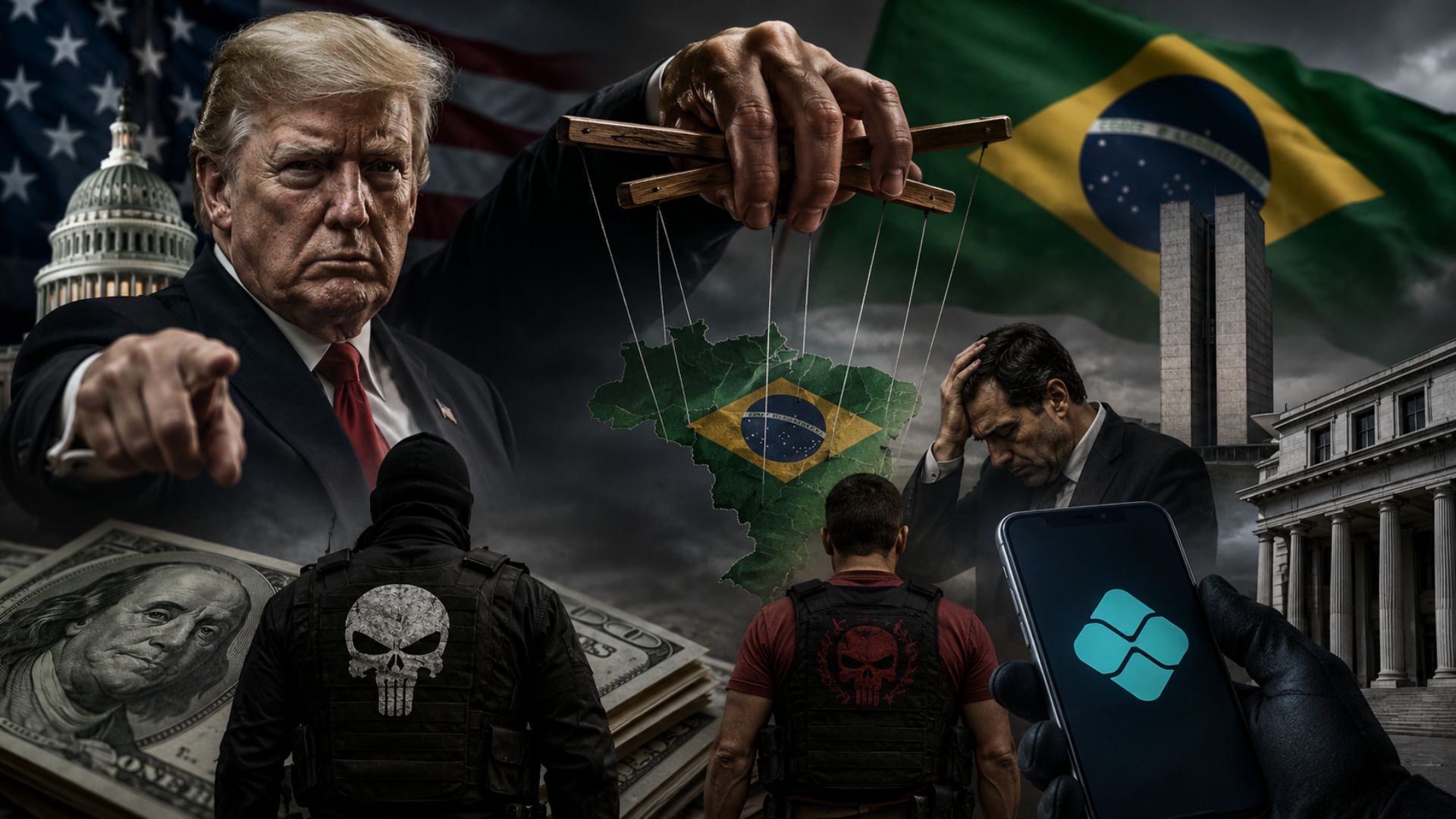


The document argues that American companies in the sector end up being pressured to promote a Brazilian competitor without receiving compensation.

American document targets free Pix
The main accusation from the USTR involves the operational model of Pix within the Brazilian financial system.
According to the document, the Central Bank acts simultaneously as sector regulator and as owner and operator of Pix.
For the American government, this dual role creates a potential conflict of interest.
The USTR claims that the Central Bank uses its regulatory power to favor Pix and disadvantage American providers of electronic payment services.
The document also mentions the obligation imposed on financial institutions with more than 500,000 accounts.
These institutions need to offer Pix to customers, according to the Brazilian rules mentioned by the American agency.
Mandatory Highlight in Apps Annoys the USA
Another criticized point involves the visibility of Pix within banking apps.
According to the USTR, the Central Bank requires Pix to be highlighted on the main screens of apps.
This visibility cannot be less than that of any other payment or transfer function.
In the American assessment, this rule gives Pix a competitive advantage within the Brazilian market.
For this reason, the document classifies the practices as unfair and discriminatory.
The text states that competitors need to offer advantages to Pix, such as availability, visibility, and limits on fee charges.
Free Service for Individuals Becomes Target of Dispute
The free service of Pix for individuals also appears among the main points of criticism.
According to the document, Brazil imposes free service for individuals and limits fees charged to companies.
In the view of the USTR, competitors end up bearing costs related to the system operated by the Central Bank.
The American body states that these rules create a burden on U.S. trade.
The text says that American suppliers are forced to promote their Brazilian competitor without any compensation.
This accusation reinforces the assessment that Pix has received preferential treatment within the country.
USTR Recognizes Banking Advancement but Maintains Accusation
Despite the criticisms, the document itself acknowledges that Pix has expanded banking access in Brazil.
The system connects financial institutions, companies, individuals, and government entities.
It also allows instant payments, scheduled transfers, withdrawals, bills, and short-term credit operations.
Even so, the USTR states that the current structure restricts American trade.
In the assessment of the body, the Brazilian model exclusively favors Pix and limits the performance of foreign suppliers.
The dispute turns one of the most used systems by Brazilians into a theme of international commercial pressure.
Pix at the Center of Commercial Tension
The case shows how Pix has become more than just an everyday payment tool.
Now, the system appears in a broader debate about competition, regulation, and trade between Brazil and the United States.
The American document argues that the Central Bank favored Pix with membership rules, mandatory prominence, and tariff limits.
The accusation heightens the tension over the system’s role within the electronic payments market.
Do you think Pix represents Brazilian innovation or an excessive competitive advantage in the global dispute over payment methods?







Be the first to react!