Portuguese
  Spanish


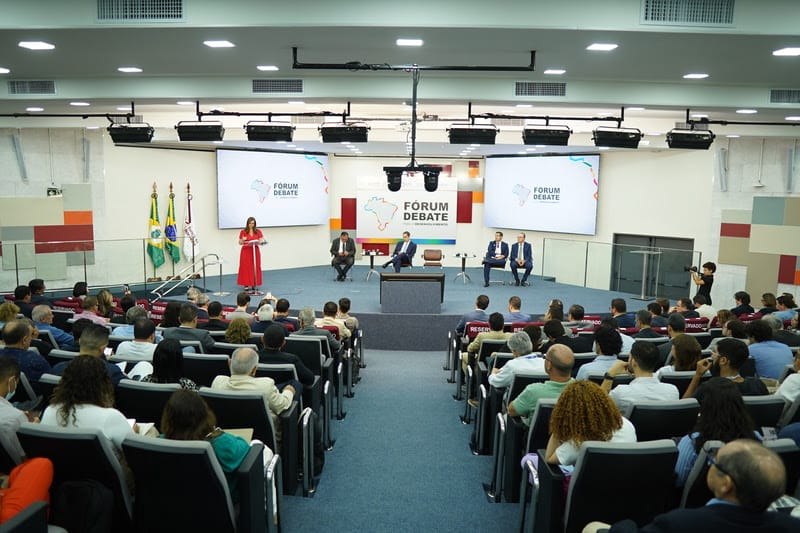

ABDE Event Discusses Brazil’s Potential to Lead the Energy Transition with a Focus on Clean Energy and Social Inclusion in the Northeast.
In a recent event organized by ABDE, the predominant role that Brazil can play in the global energy transition was widely discussed. Experts and industry leaders gathered to explore pathways and strategies that position the country as a protagonist in the adoption of more sustainable energy practices. The main focus is on the opportunities that specific regions, such as the Northeast, offer with their vast potential to enhance and lead this essential change in the global energy landscape.
In the pursuit of an effective energy transition, the spotlight is on the development of renewable energies, which are fundamental to achieving a more balanced and environmentally responsible energy matrix. This change not only boosts the creation of new jobs and infrastructure in the Northeast but also promotes a fair transition, ensuring that local communities benefit equitably. The event emphasizes the need for concrete actions so that Brazil not only keeps pace but leads global efforts in this new era of sustainable energy.
Financing the Just Transition in the Northeast
The National Development Society (SNF) joined authorities during the 4th Forum Debate for Development, which addressed the crucial theme of financing the just transition and the potential of the Brazilian Northeast. This event, promoted by the Brazilian Development Association (ABDE) in association with the Banco do Nordeste (BNB), focuses on how to finance the energy transition and turn it into a viable and inclusive strategy.
-
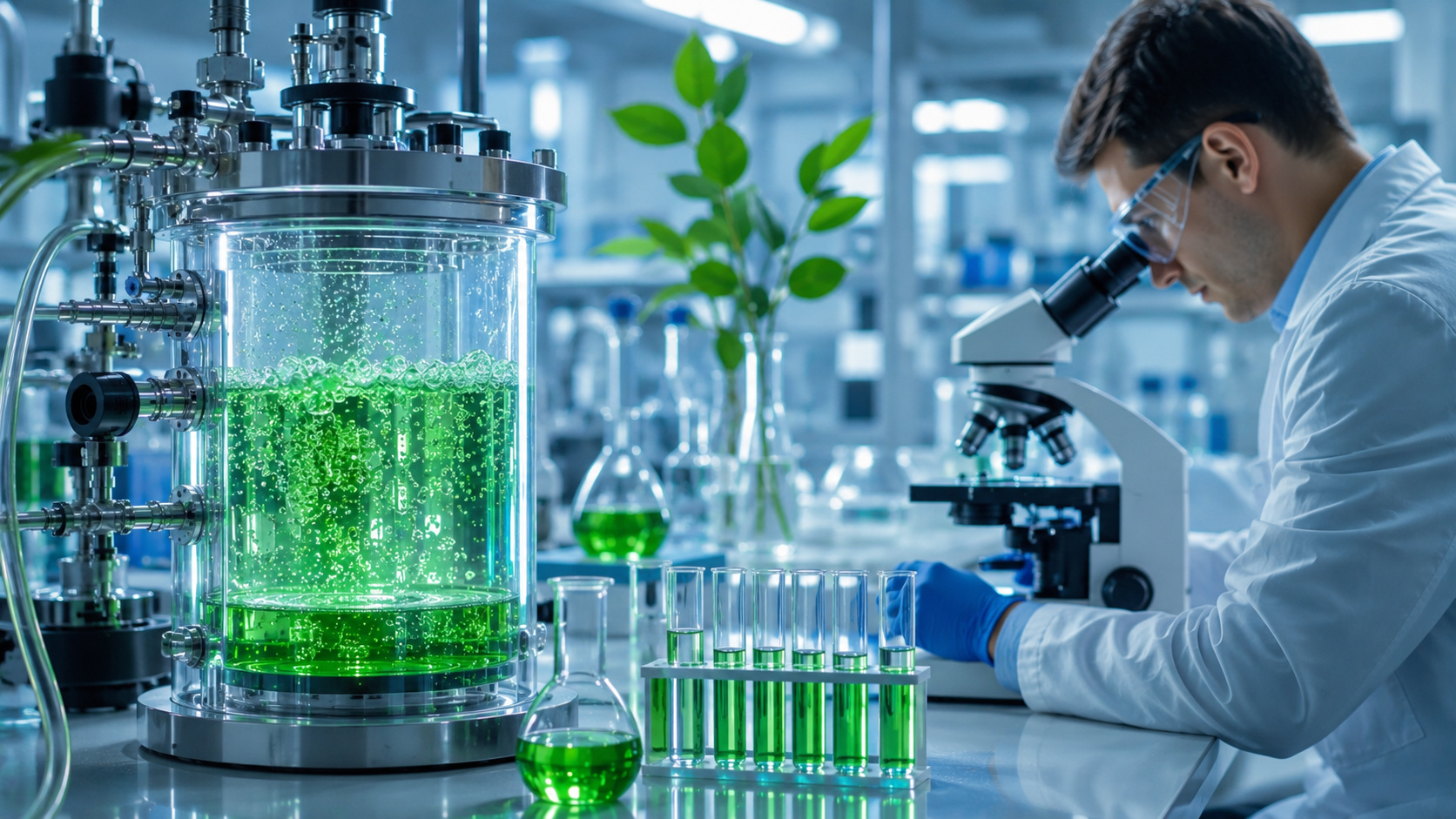
Brazilian scientists are simultaneously advancing two research projects on clean hydrogen and driving solutions that could transform the energy matrix, enhance industrial competitiveness, and accelerate large-scale emission reduction targets.

-
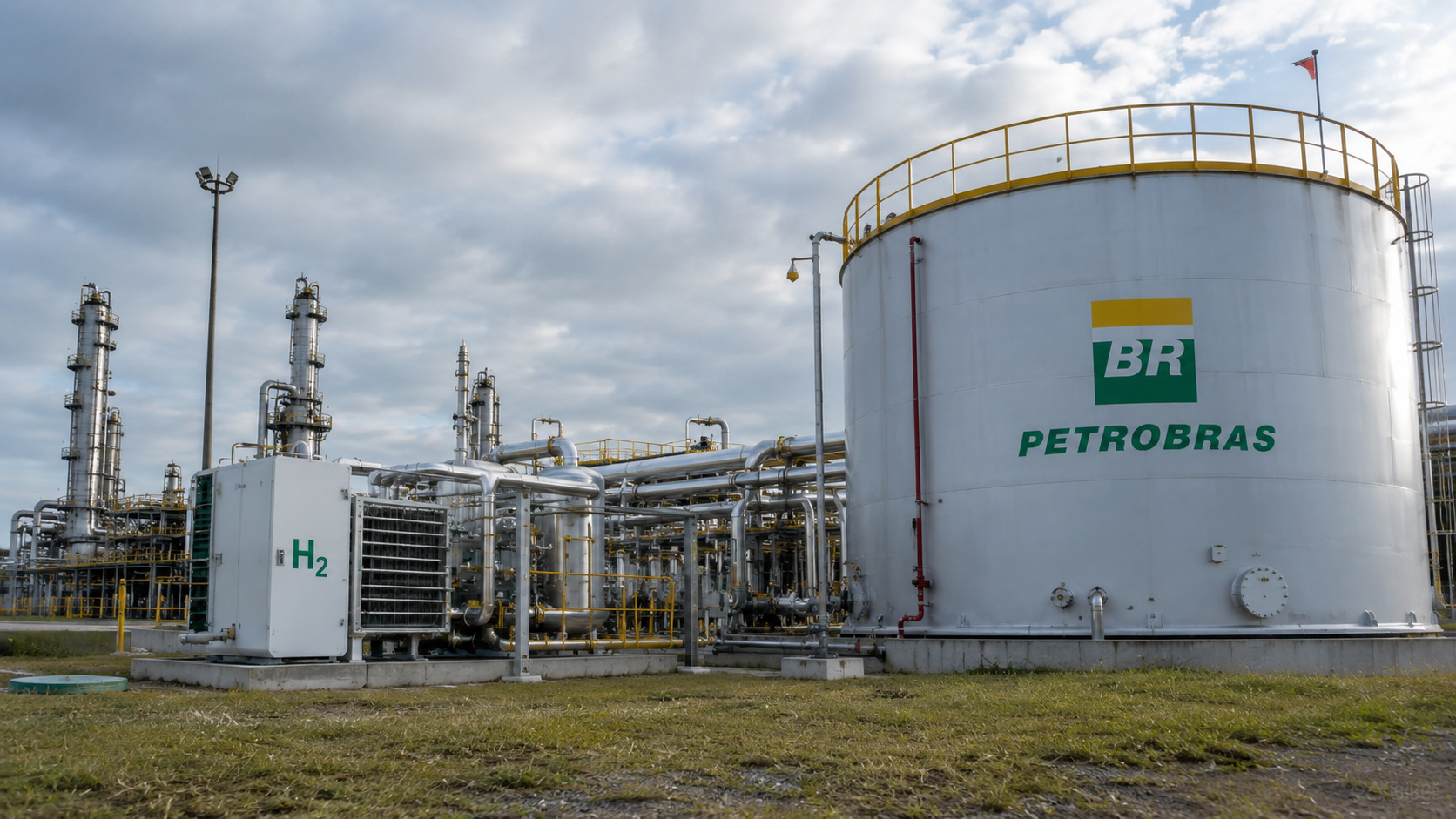
Advancement in renewable energy: A R$ 150 million project launched by Petrobras and Finep aims to create state-of-the-art electrolyzers for green hydrogen, strengthening national research and preparing Brazil to compete in a billion-dollar energy market.
-
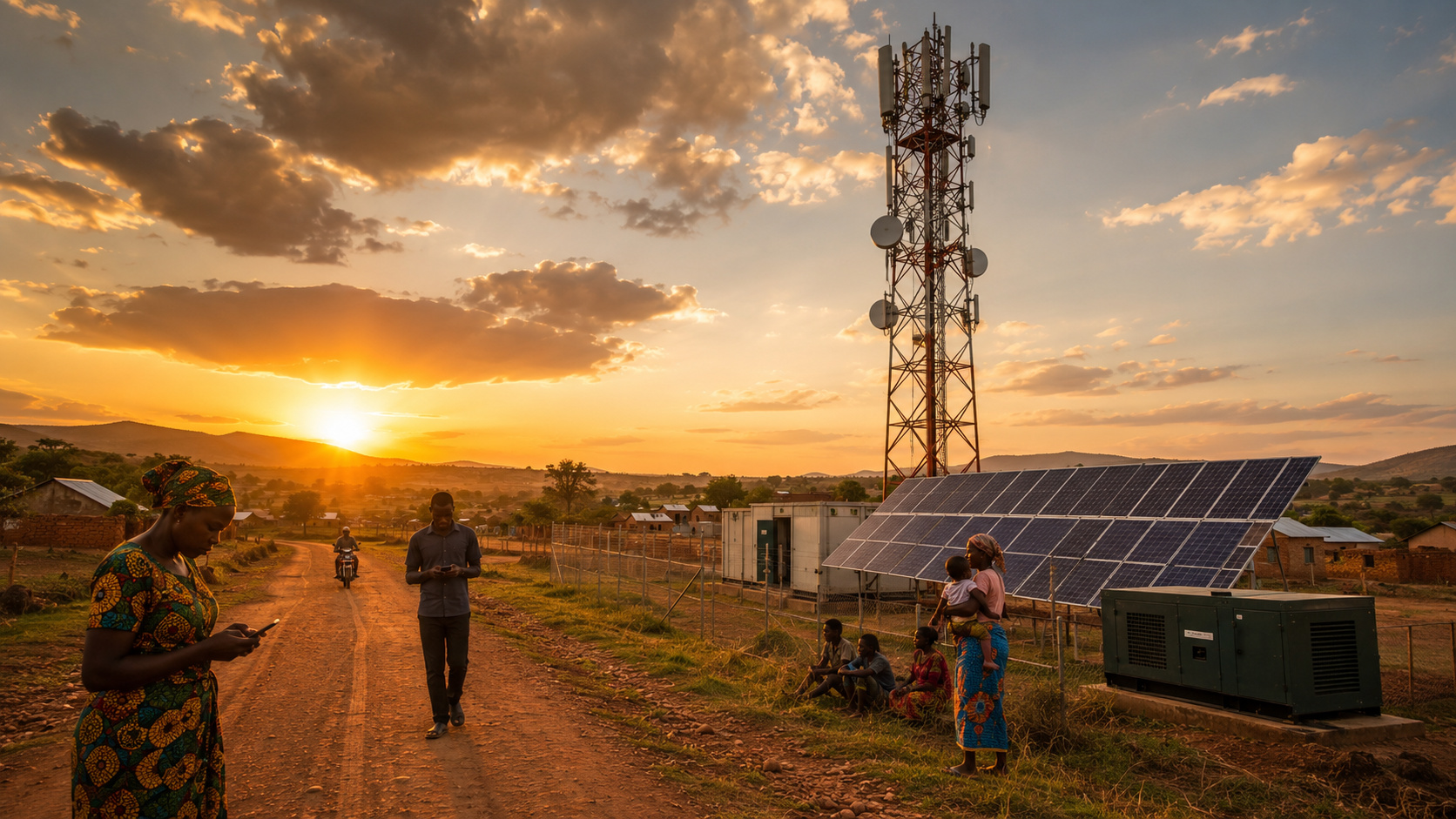
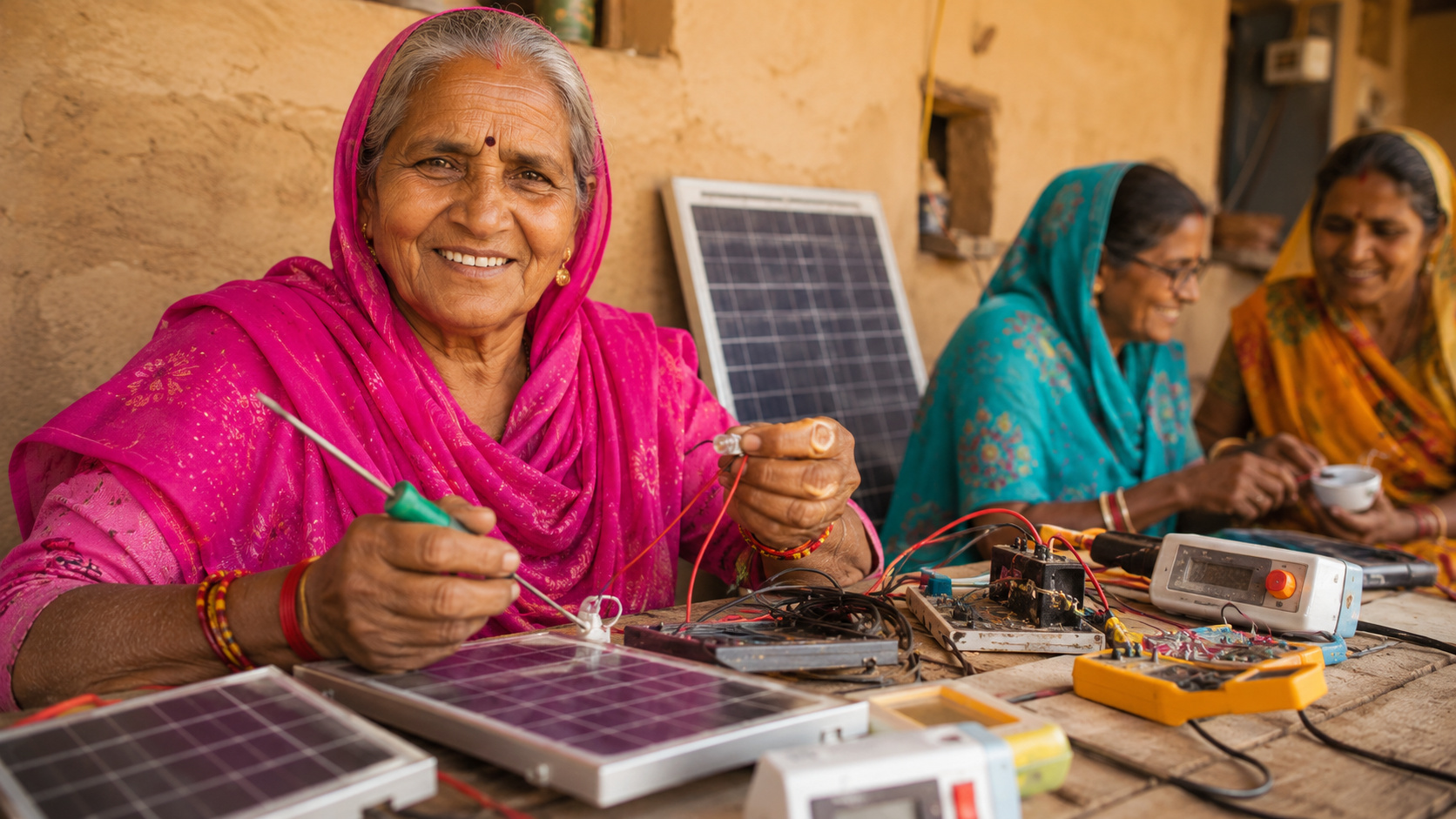
Illiterate or semi-literate grandmothers were trained to repair solar systems, open rural workshops, and light up homes that still depended on kerosene.
-
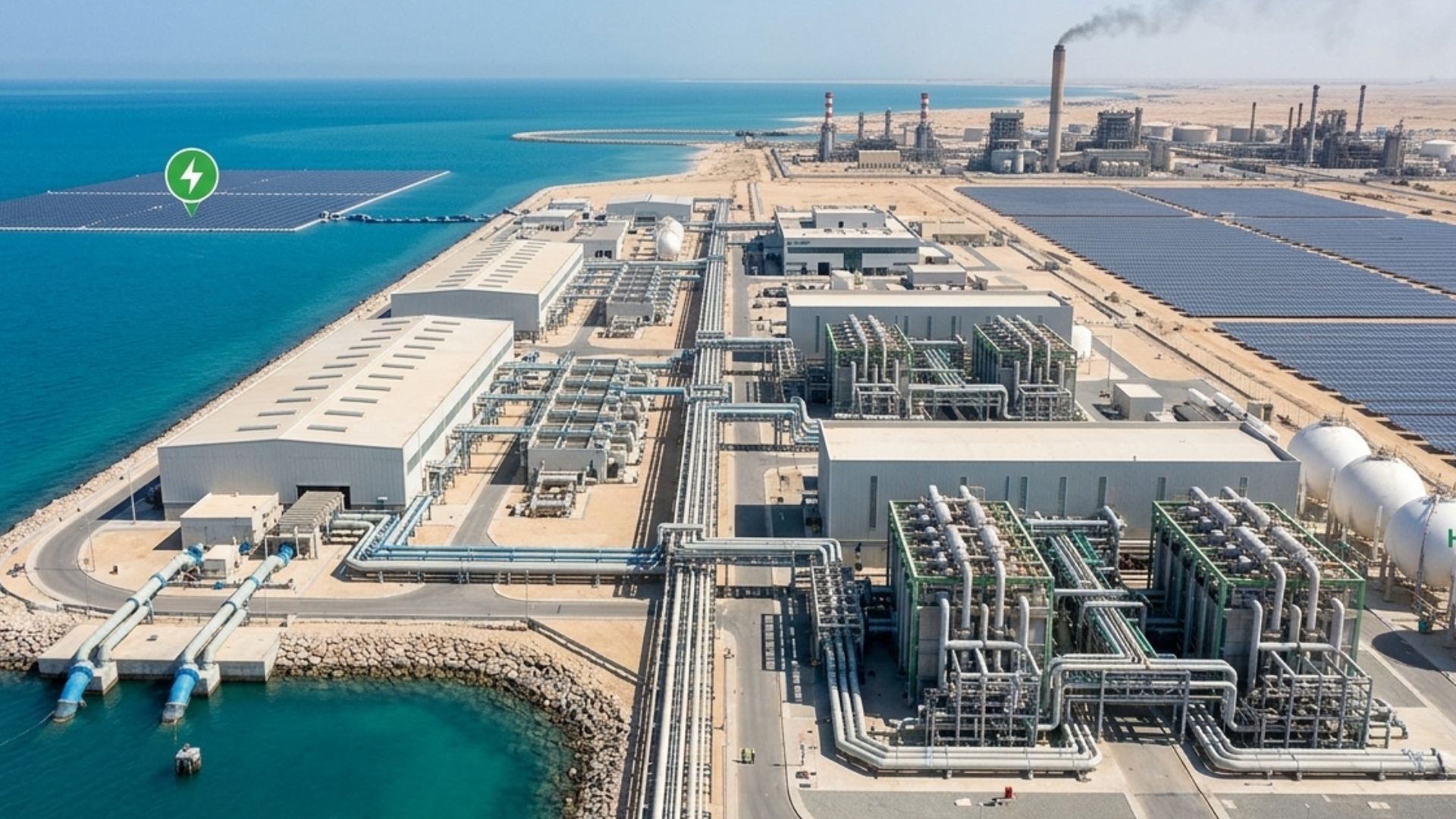
The world has bet on green hydrogen as the fuel of the future, but now faces the side effect: producing 1 kilogram requires about 9 liters of ultrapure water, and the largest projects on the planet are precisely in the driest regions of the Earth, where water is already scarce for people.

The forum brought together a diversity of specialists from national and international institutions, such as the World Bank, National Bank for Economic and Social Development (BNDES), and the French Development Agency (AFD). During discussions, institutions focused on effective strategies to finance and enable a just and inclusive energy transition, highlighting the promising potential of the Northeast to become a leading country in the field.
Climate Urgency and Renewable Energies
At the opening, the director of ABDE and president of the Development Agency of Rio Grande do Norte (AGN), Márcia Maia, emphasized the global climate situation and the pressing need for energy transition, highlighting that in 2023, the average temperature of Earth exceeded the 1.5°C limit agreed upon in the Paris Agreement. She also pointed out that Brazil is responsible for 3% of global carbon emissions, ranking sixth among the largest emitters. However, Maia noted that the Brazilian energy matrix is privileged, with a 45% share of renewable sources, significantly above the global average, making Brazil a model to follow.
Electricity generation in Brazil is even more focused on sustainability, with 85% coming from renewable sources, mainly due to the significant growth of wind and solar energies, which today represent more than 30% of the country’s energy matrix, according to recent data from the Energy Research Company (EPE). Maia also highlighted the crucial role of the Northeast in this landscape, indicating that the wind regime and high solar incidence elevate the region as one of the main hubs of renewable energies in Brazil.
Potential of the Northeast in Green Hydrogen
She also mentioned the state of Rio Grande do Norte, which recently reached a mark of 10 gigawatts (GW) of installed capacity in wind energy. With the correct investment, Maia stated that the Northeast can become a power in green hydrogen production, seen as one of the most innovative solutions within the energy transition. The president of Banco do Nordeste, Paulo Câmara, brought to the discussion a perspective deeply rooted in social and economic inclusion, fundamental elements for a transition towards a low-carbon economy.
‘A just energy transition necessarily implies reducing regional inequalities, and development financial institutions play a crucial role in this journey,’ Câmara stated. He presented data highlighting Banco do Nordeste as a central agent in promoting sustainable development in the region. In 2023, R$ 58.5 billion in credit was applied in the nine states that make up the northeastern region and in northern Minas Gerais and Espírito Santo, a 27% increase compared to the previous year. Of that total, R$ 37 billion was dedicated to renewable energy projects, such as solar and wind, highlighting the commitment to a clean energy matrix.
Social Inclusion Through Microcredit Programs
Câmara highlighted the success of BNB’s urban and rural microcredit programs, which have played a significant role in economic inclusion. The Crediamigo program invested R$ 10.6 billion in 2023, with over 14,000 transactions carried out daily, while Agroamigo, dedicated to family farming, moved R$ 5.7 billion. ‘These programs are vital to ensure that productive credit reaches those who really need it, fostering not only energy generation but also improving the quality of life for millions of Brazilians,’ Câmara said.
The central role of technology and innovation in the energy transition was addressed by Ruben Delgado, president of Softex. He highlighted the positive impact of startups and new technologies on job generation and the acceleration of the decarbonization process. ‘Brazil needs to be a producer of technology, not just a consumer,’ Delgado emphasized, revealing that Softex has already invested over R$ 90 million in training in Ceará, aiming to train programmers and boost the development of technological startups.
Technological Innovation and Productive Chains
According to Delgado, more than 6,000 startups have benefited in recent years, with total investments of R$ 3 billion allocated to innovation. ‘Technological innovation is not just a differentiator for the energy sector, but for all productive chains in Brazil,’ he stated. Paulo Simplício from the French Development Agency (AFD) reinforced the importance of the partnership with Banco do Nordeste and other local institutions, emphasizing AFD’s role in resilient infrastructure and renewable energy projects in the Brazilian Northeast.
‘AFD has already financed over 5,000 projects in 160 countries and Brazil is one of the five largest beneficiaries of these resources,’ Simplício said. He highlighted that AFD has been strategically focusing on financing renewable energy in Brazil, prioritizing solar, wind, and green hydrogen projects. ‘In recent years, AFD has allocated resources to strengthen local productive chains, promoting more resilient infrastructure aligned with the principles of a just energy transition,’ he emphasized.
The Forum Debate continues throughout the day with discussions about the challenges and opportunities that the Northeast faces in the global context of the energy transition. Check the complete program being broadcast live at the link: <https://www.youtube.com/live/dxkZ7SnhH2o>.
Source: ABDE Press