






 Portuguese
  Spanish
  3 min of reading
  0 comments


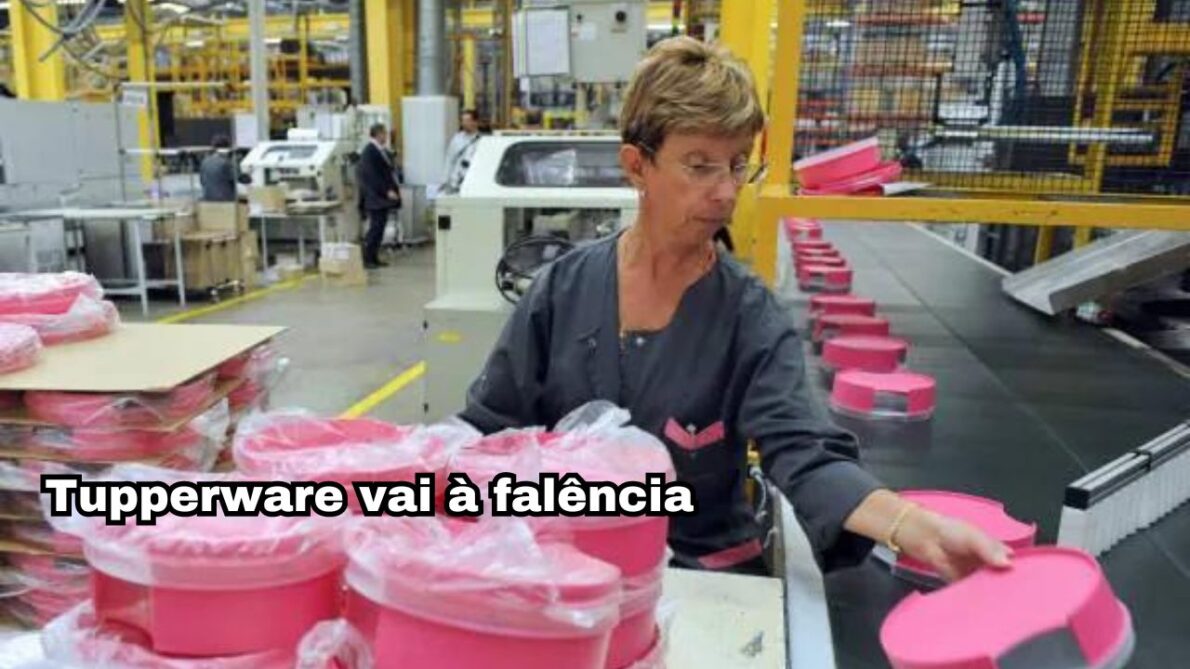
The Legendary Plastic Container Manufacturer Tupperware, Which Dominated Kitchens and Shelves for Decades, Is About to File for Bankruptcy and Face Mass Layoffs.
Yes, my dear friends, the pot is gone – or rather, the production line of one of the world’s most iconic brands is gone. Tupperware, which was once a symbol of organization and efficiency in kitchens, is heading towards bankruptcy. With 80 years of history, the company will execute mass layoffs and end a cycle that spanned generations.
According to information from Bloomberg, Tupperware may file for bankruptcy in the coming days, a fact that has shaken the financial market. After the announcement, the company’s stock plummeted over 59%, reaching a value of US$ 0.4875 before being suspended on the New York Stock Exchange. The container giant had signaled the possibility of bankruptcy last year, but now the situation seems irreversible.
Crisis and Mass Layoffs at Tupperware
With assets estimated between US$ 500 million and US$ 1 billion, but with liabilities ranging from US$ 1 billion to US$ 10 billion, Tupperware is struggling to keep its doors open. The company is in negotiations with creditors to try to manage a debt that exceeds US$ 700 million. Even with agreements that alleviated some debts, the financial situation has only worsened.
-
Brazilian Joins Homeownership Consortium, Faces Decade of Dual Payments Totaling $141,000, Surpassing Traditional Mortgage

-
Land Rover to Halt Production in July, Putting 371 Jobs at Risk, as Chinese Automaker Negotiates to Convert Factory to 100,000 Vehicles Annually by 2027

-
Mexican Pest Threatens U.S. Cattle Herds at Historic Lows, Potentially Boosting Brazilian Beef Exports as Burger Prices Soar

-
Brazilian Freight Bill Progresses in Congress with $5,000 Minimum Wage, 70% Advance Payment, and Fines Up to $1 Million, as Agriculture and Industry Warn of Rising Costs and Legal Uncertainty


The impact will be significant, and mass layoffs are inevitable. Tupperware had already considered closing its only factory in the United States, which would result in the layoff of 150 employees. Now, with the imminent bankruptcy, that number could drastically increase, affecting thousands of workers directly and indirectly linked to the brand.
Tradition versus Innovation
Founded in 1946 by Earl Tupper, Tupperware revolutionized the market with its plastic products and famous airtight seal. The company built its empire through an innovative sales method: Tupperware parties, which became popular in American homes. However, over the years, the formula has worn thin.
The company did not keep up with the transition to digital retail, where consumers began looking for cheaper and more sustainable alternatives. While platforms like Amazon and Walmart dominated the online market, Tupperware remained dependent on its direct sellers. In 2022, even with 300,000 resellers, the company’s financial crisis deepened.
The End of an Era at Tupperware
Even with changes in leadership and attempts at restructuring, Tupperware could not adapt to the new economic and digital landscape. The pandemic brought a temporary respite for sales, but the effect was brief. The company, which was once synonymous with quality and innovation, now faces the bitter fate of closing its doors.
The possible announcement of bankruptcy marks the end of an era. And with it comes the mass layoffs that will affect not only Tupperware employees, but also the entire distribution network and resellers that have, for decades, kept the brand alive.
Pfor many, it will be hard to imagine the kitchen without those classic containers. But like everything in life, even the most resilient plastics come to an end.
With the end of Tupperware and the mass layoffs, the question remains: are traditional brands doomed if they do not adapt to the digital world, or is there still room for the rescue of icons from the past? What do you think?





Be the first to react!