






 Portuguese
  Spanish


Treated Wood Arrives as a Modern Alternative to Traditional Tiles, Offering Resistance to Moisture, Heat, and Stains, While Creating More Integrated, Sophisticated Kitchens Connected to the Rest of the Home’s Decoration.
The Kitchen of 2025 Comes with a Change in Direction: Treated Wood Emerges as an Alternative to Tiles and Gains Ground in Residential Projects by Combining Resistance to Moisture, Heat, and Stains with a Cozier Look.
Architects and designers point out that this choice brings the kitchen’s language closer to the rest of the house and can add value to the property by creating continuous and integrated spaces.
Why Treated Wood Gains Strength in 2025
After decades as a standard, tiles are losing their prominence partly due to the sensory appeal of wood and, above all, the evolution of treatment processes.
-
Retired Builder Constructs House Using Over 4,000 Milk Cartons in Brazil, Engineer Estimates Structure Could Last 100 Years

-
Brazilian Well Taps Guarani Aquifer, Sparking Debate on Water Supply and Security
-
Unique Neck Flexibility and Natural Echolocation Make Amazon’s Pink River Dolphin Extraordinary

-
Young Brazilian Woman Rescues 60 Animals, Faces $6,500 Debt, and Strives to Build Shelter for Dogs and Cats




Industry professionals explain that the material receives layers of protection that increase durability in areas exposed to steam, splashes, and grease.
With this preparation, the surface preserves its appearance for longer and reduces the risk of deformation, darkening, or persistent marks.
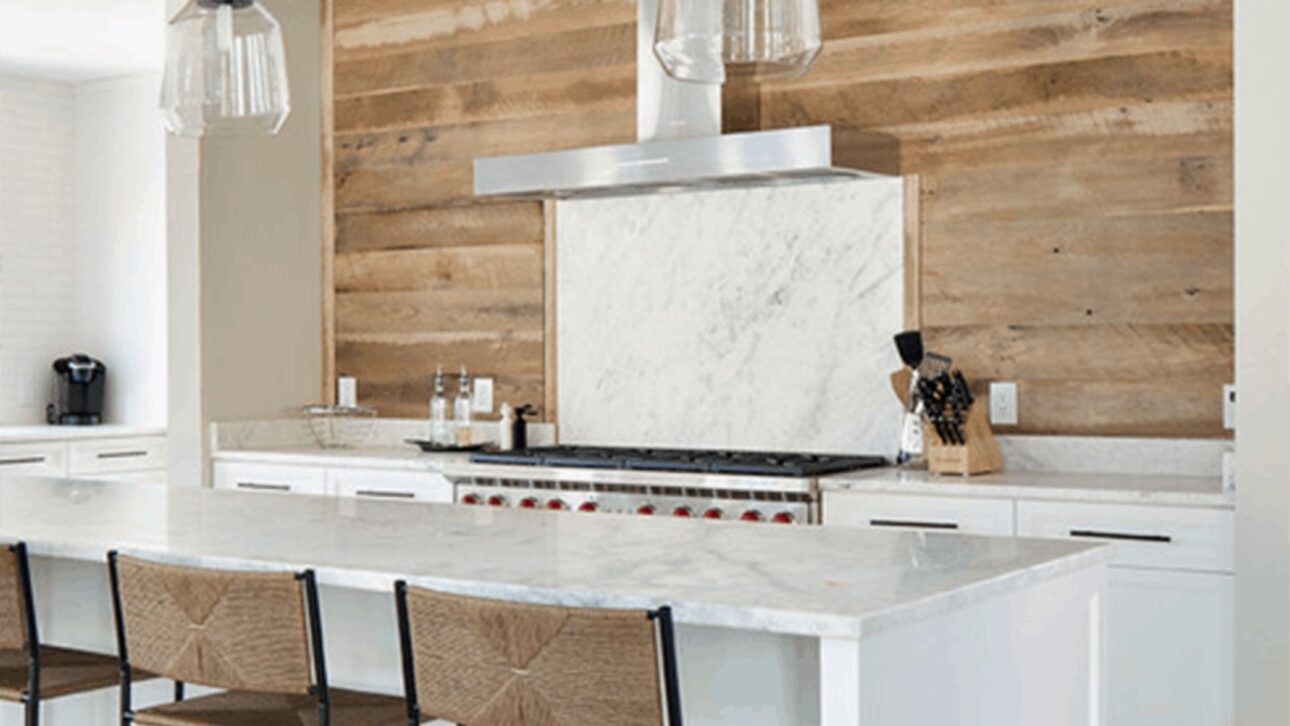
Another factor is the aesthetic perception.
While ceramic tiles often convey a cooler feeling, wood brings texture and visual warmth.
At a time when homes seek continuity between living, dining, and cooking, this characteristic weighs in the decision and contributes to projects that seem less “technical” and more homely.
Technical Advantages and Everyday Use
The appeal is not limited to the visual aspect.
High Durability is a recurring argument, as the right treatment helps stabilize wood in the face of temperature and humidity variations.
Ease of Maintenance also counts: routine cleaning tends to require only a lightly damp cloth and neutral products, provided the protective layers are respected.
The available variety broadens the range of solutions.
Contemporary projects favor light tones and subtle grains, which enhance bright and minimalist kitchens.
More sophisticated environments opt for darker palettes, which dialogue with brushed metals and natural stones.
There are also lines with textured or satin finishes that soften reflections and highlight the depth of the grains.


Aesthetic That Connects with the Home
The popularity of the material relates to the search for integrated kitchens.
By repeating the wood from social areas on technical surfaces, the ensemble gains unity and fluidity.
In this scenario, slatted panels, reinterpreted boiseries, and baseboards aligned with cabinet doors help compose a continuous design.
Even in compact layouts, the solution can enhance spatial reading by reducing cuts and arrangements typical of ceramic coverings.
Treated wood also offers flexibility in compositions.
Instead of an entire wall with the same module, the project can alternate flat planes, horizontal strips, and vertical details, always respecting the zones with the highest contact with water and heat.
The result is kitchens with a clear visual signature, without compromising the expected performance in wet areas.
Sustainability and Raw Material Source
The demand for responsible solutions influences the choice.
Offices have prioritized certified wood or reclaimed wood when available, aligning aesthetic decisions with environmental criteria.
Besides origin, extended durability reduces early replacements and, consequently, the disposal of materials throughout the usage cycle.
In times of leaner construction and targeted interventions, this aspect weighs in the long-term costs.
Where to Apply and How to Combine
The most frequent use appears on vertical surfaces with low to medium contact with water, such as fronts, background panels, and strips between countertops, always with specifications compatible with the level of exposure.
In critical areas, the design can provide additional protection, such as sealants, discreet corner guards, and controlled distancing from direct heat sources.
The combinations vary according to project preferences. Light Woods pair well with light quartz countertops and chrome metals.
On the other hand, dark tones match dense stones and black hardware. Task lighting, with LED strips in neutral or warm temperatures, enhances the grains without creating excessive shine.
In small kitchens, flat doors and embedded handles maintain focus on the continuous plane.
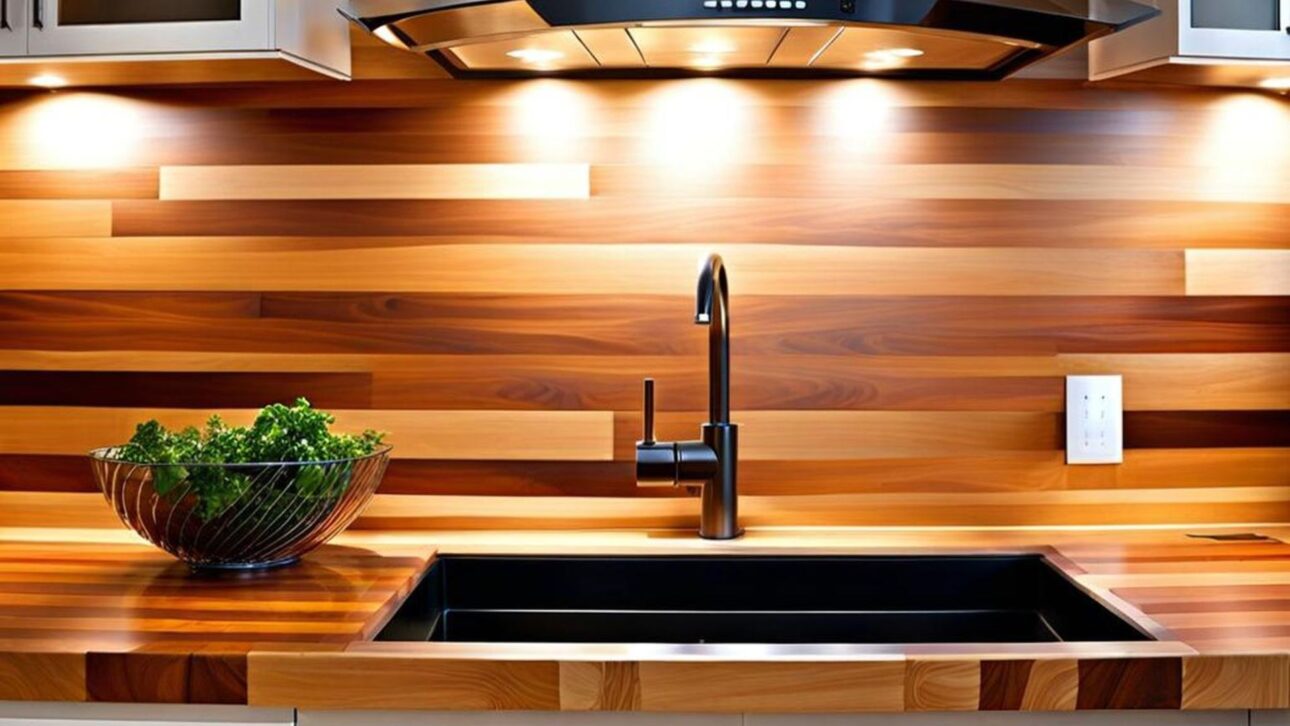
In larger areas, trims and framed cabinetry introduce relief and depth.
What to Observe Before Adopting
The correct specification is crucial for performance.
Projects usually consider the room’s ventilation, efficient exhaust, and compatibility between the chosen finish and usage habits.
In kitchens with intense preparation, the design of cooking and washing areas must separate risk zones and anticipate protective reinforcements.
In residences with lighter routines, treated wood can take on broader areas without compromising functionality.
Another point is preventive maintenance.
Despite good resistance, longevity depends on simple care, such as cleaning splashes promptly and avoiding abrasive products.
When necessary, reapplication of finishes helps recover the protective film and extend the useful life of the coating.
These measures are usually included in the user manual provided by the supplier or the responsible cabinetry.
Why the Trend Goes Beyond Aesthetics
The adoption of treated wood reflects a broad movement in residential architecture, focused on welcoming spaces that encourage easy interaction and have a more natural language.
By aligning technical performance with appearance, the coating brings the kitchen closer to a social space, and not just a workspace.
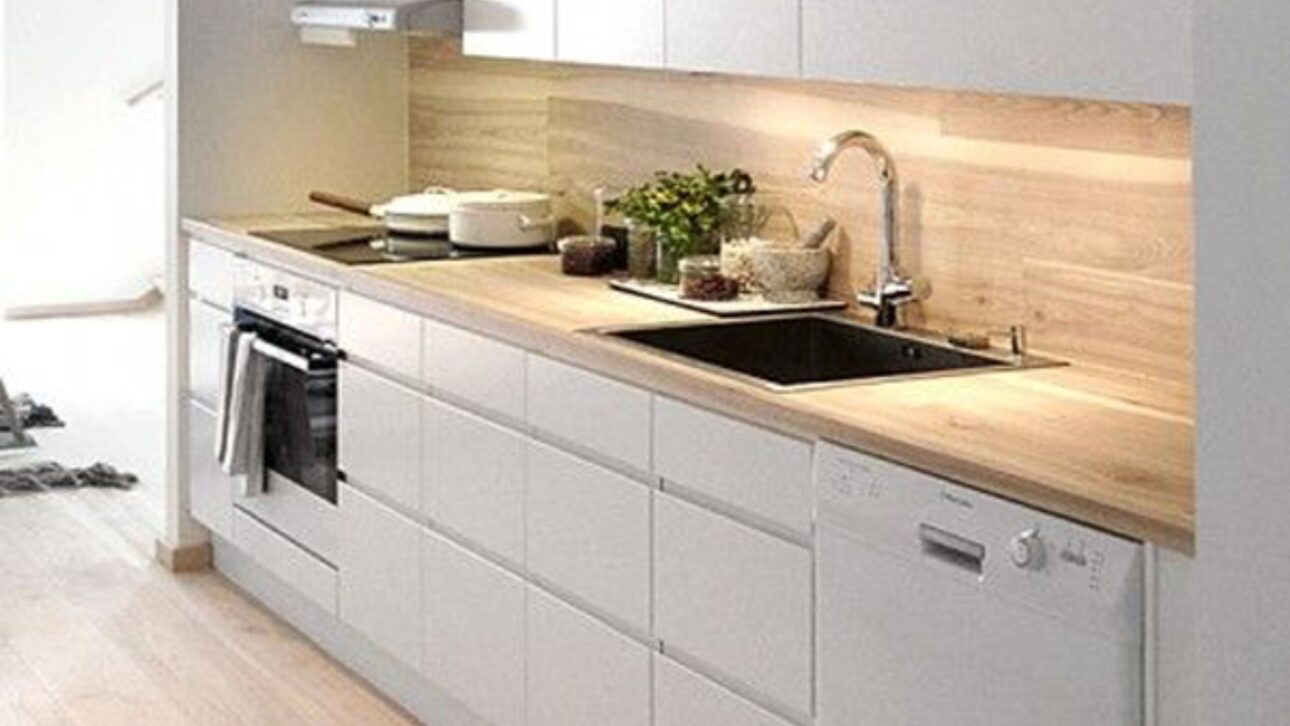
This transition intensifies as integrated layouts and multifunctional furniture become more common, and the kitchen participates in daily routines beyond meal preparation.
Although tiles remain a valid choice in many scenarios, 2025 solidifies an alternative with a clear appeal.
Treated wood delivers texture, visual continuity, and a varied repertoire of finishes, from minimalist to robust.
With appropriate specification, the material meets the demands for resistance and maintenance required by daily use while sustaining a warmer and contemporary aesthetic.
Perspectives for the Next Project Cycle
Following reports and analyses of interiors this year, professionals in this market have pointed out that the preference for natural materials should continue.
At the same time, suppliers are expanding catalogs with specific lines for wet areas, making technical compatibility easier in new constructions and renovations.
For those planning to renovate the kitchen, assessing the usage context, budget, and availability of specialized suppliers usually guides the final decision.
Considering this scenario, what would weigh more in your choice when planning the kitchen of 2025: visual unity with the rest of the house, the material’s technical resistance, or long-term maintenance?


