Portuguese
  Spanish


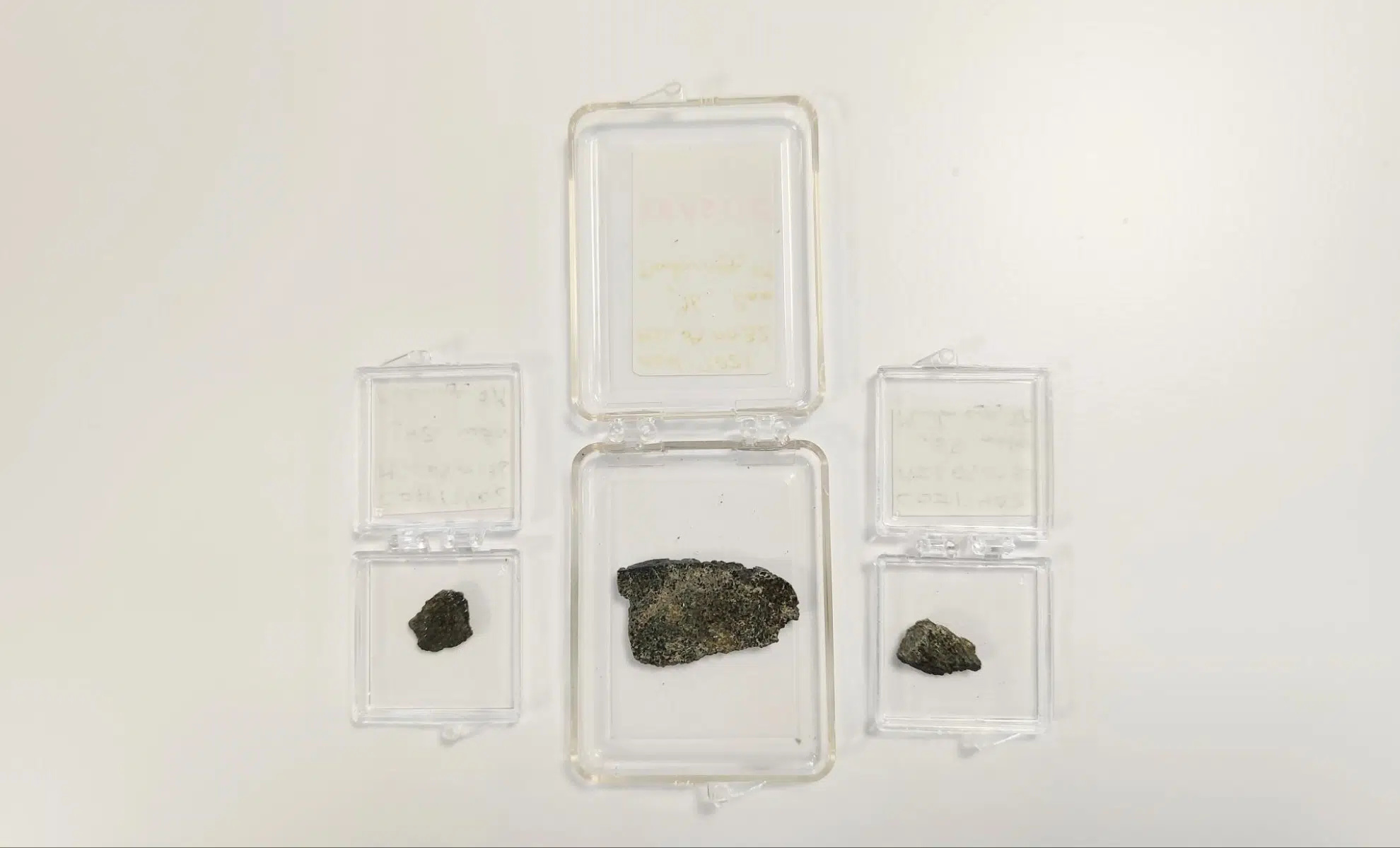

The detection of materials that no one expected in fragments of Mars suggests that the red planet had surprising internal geochemical processes.
A deep analysis of meteorites from Mars revealed the presence of unprecedented chemical compounds and mineral structures, challenging the expectations of the global scientific community.
The researchers, using state-of-the-art spectroscopy technologies, identified materials that no one expected to find in rocks expelled from the red planet. This discovery suggests that Mars’ geological history and internal composition are significantly more complex and chemically diverse than previous models indicated.
The analyzed fragments belong to a class of meteorites that were launched into space after asteroid impacts on Mars, falling to Earth after millions of years of travel. The detection of materials that no one expected occurred in samples that were previously considered well understood but hid secrets on a microscopic scale.
-
In Andradina, in the interior of SP, a tannery transformed tilapia skin that slaughterhouses used to throw away into exotic leather for bags, shoes, and even wedding dresses, producing about 2,000 pieces per month and exporting to seven countries, proving that fish waste has become high-value fashion.

-
The industrial waste that even recyclers didn’t want has gained value in the interior of Bahia: two entrepreneurs invested R$ 2.8 million to transform 350 tons per year of foam, rubber, and plastic into boards that can replace wood and MDF.

-
What is a red flashlight used for, after all? See why it is so commonly used at night.

-
He has never read a line of code, but he already knows how to work: the French company UMA presented in Paris the Northstar, its first AI-powered humanoid robot designed for factories and warehouses, capable of copying tasks just by observing an employee in action.



Among the findings, complex organic signatures and mineral formations that typically require very specific pressure and temperature conditions to form stand out.
Mineralogical complexity and unprecedented chemical signatures
The detailed study revealed that the Martian crust may contain deposits of elements that were previously associated exclusively with advanced biological or hydrothermal processes on Earth.
By isolating these materials that no one expected, scientists realized that the interaction between water and magma on Mars produced a variety of previously unknown chemical byproducts. The presence of certain organic polymers within the meteorites raises new questions about prebiotic chemical evolution in the solar system.
The analyses were conducted in controlled environments to avoid any terrestrial contamination that could invalidate the results. The confirmation that these materials that no one expected are genuinely of Martian origin was obtained through the measurement of specific isotopes that serve as a “fingerprint” of the planet. This methodological rigor allowed researchers to map the depth from which the rocks were extracted, indicating a surprising magmatic diversity in Mars’ internal layers.
Implications for the geological evolution of Mars
The discovery of these components alters the perception of the cooling of the Martian core and the planet’s historical volcanic activity. The existence of materials that nobody expected in meteorites of different ages suggests that Mars maintained active geochemical processes for much longer than previously thought. This indicates that the planet had thermal and chemical reservoirs capable of sustaining sophisticated mineral transformations even after the end of its visible tectonic activity.
Furthermore, the diversity of these materials that nobody expected points to the existence of isolated microenvironments in the Martian subsurface. These locations could have served as refuges where complex chemistry persisted, protected from intense solar radiation and the rarefied atmosphere of the surface.
Understanding these zones of chemical interaction is crucial for interpreting the data currently being sent by rovers exploring Martian craters in search of signs of habitability.
Analysis technologies and the future of space exploration
The identification of such substances was only possible thanks to the development of atomic resolution imaging techniques that were not available in past decades. By revisiting meteorite collections with new eyes, science is finding materials that nobody expected, proving that answers about the solar system may be stored in already collected samples.
The refinement of these techniques will be applied in the analysis of rocks that will be brought back from Mars in future sample return missions.
The impact of this research resonates in the planning of new probes, which will now be equipped to specifically search for these compounds identified in meteorites. By understanding that Mars’ geology produced materials that nobody expected, astrobiologists gain new clues about where to look for evidence of ancient life.
The discovery reaffirms that the red planet remains one of the most mysterious objects in the cosmos, holding secrets that challenge the imagination of Earth scientists.
With information DailyGalaxy