Portuguese
  Spanish


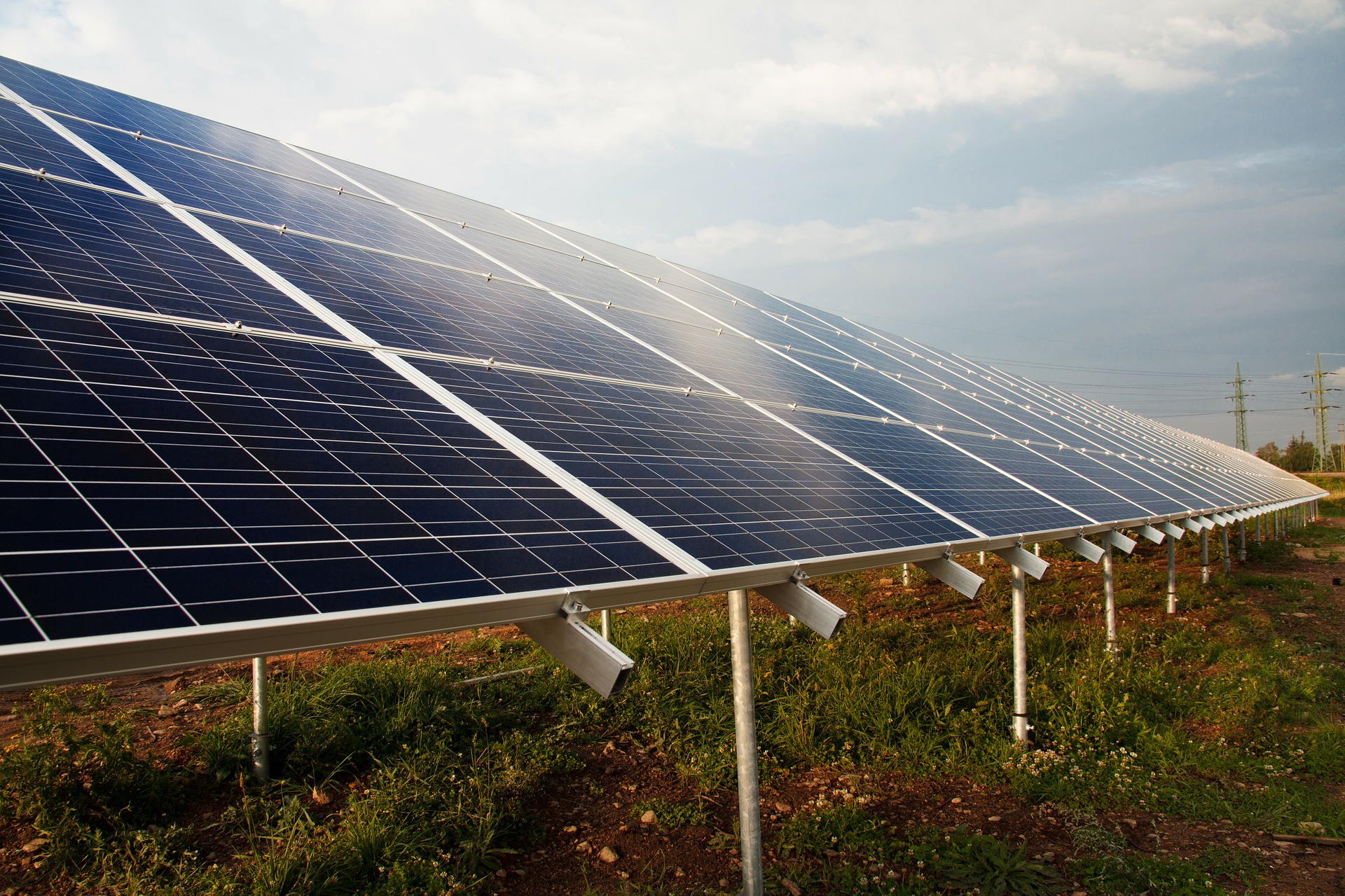

Israeli Study Develops New Technique Promising to Make Solar Panels Much More Efficient
The use of clean energy around the planet is increasingly growing. The Paris Agreement sets targets for reducing carbon emissions, while also driving the development of new technologies in the energy sector. With this in mind, scientists from Israel have made a significant advance in solar energy by seeking to increase the efficiency of solar panels.
Researcher Avner Rothschild from the Department of Materials Science and Engineering at Technion, along with Ben-Gurion University of Negev and Helmholtz-Zentrum Berlin, are at an advanced stage of developing this new technology that could boost the growth of solar energy worldwide. The study is advancing the understanding of how semiconductors work.
Better Understand the Study Proposal
Solar panels operate with photovoltaic cells or photoelectrochemical cells. Photovoltaic cells do not require external batteries, but rather semiconductors. Photoelectrochemical cells need external batteries to store energy at night.
-
After a Year of Success in Switzerland, Solar Railway Attracts Italy’s Interest for Clean Energy Transformation

-
Robots Clean Solar Panels in Desert Power Plants Without Water, Preventing Energy Losses
-
Brazil’s Offshore Wind Energy Potential Worth $1 Trillion Stalled by Long-Delayed Agreement

-
World’s Largest Engie Solar Plant in Brazil Highlights Billion-Dollar Energy Waste Issue: Company Considers Batteries and Bitcoin Mining to Avoid Wasting Production




Semiconductors enable the energy from light to split molecules of water into oxygen and hydrogen, which is stored in a separate source for later use. However, hematite, the material most commonly used in semiconductors, suffers from low efficiency and a consequent waste of energy.
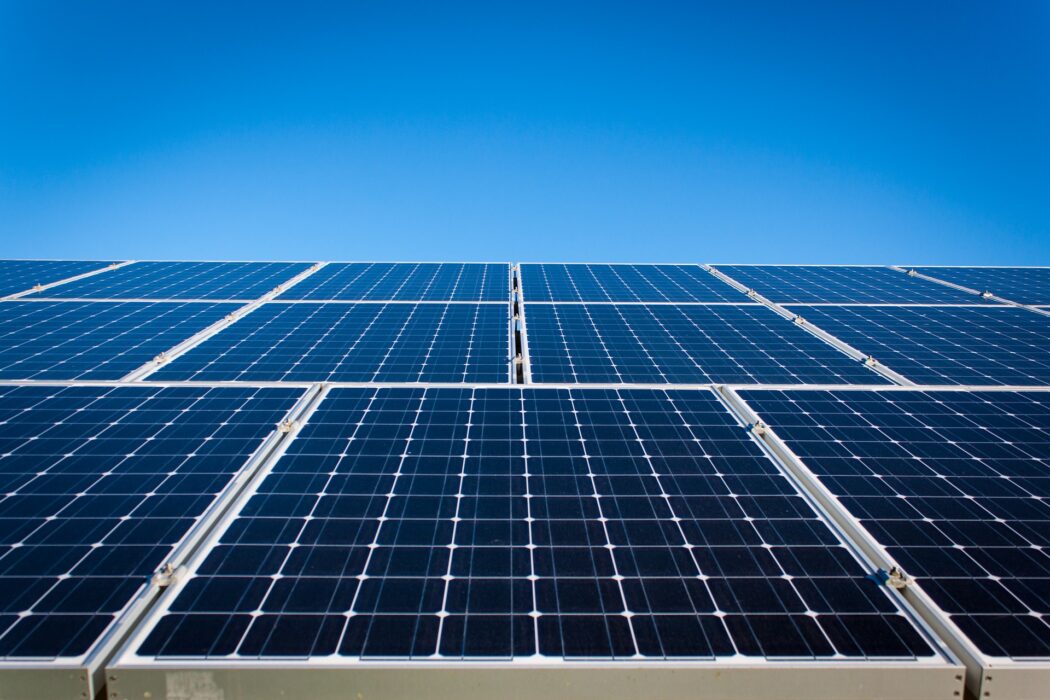
The study developed by the Israelis is testing new techniques to measure the efficiency of hematite and other semiconductors. The hope is that the study will lead to advancements in solar panels in the future.
“Reducing the use of fossil fuels is the most important challenge our planet faces, and the answer must be to utilize the free energy that surrounds us. Improving solar panels is just another brilliant idea that has emerged from the scientists at Technion.” declared Alan Aziz, CEO of Tecnnion UK.
The use of solar energy is evolving and is expected to continue gaining much more space. Abundant and inexhaustible, the resource is seen as promising because it is cheaper to implement than wind energy.