





 Portuguese
  English
  Spanish
  5 min of reading
  0 comments


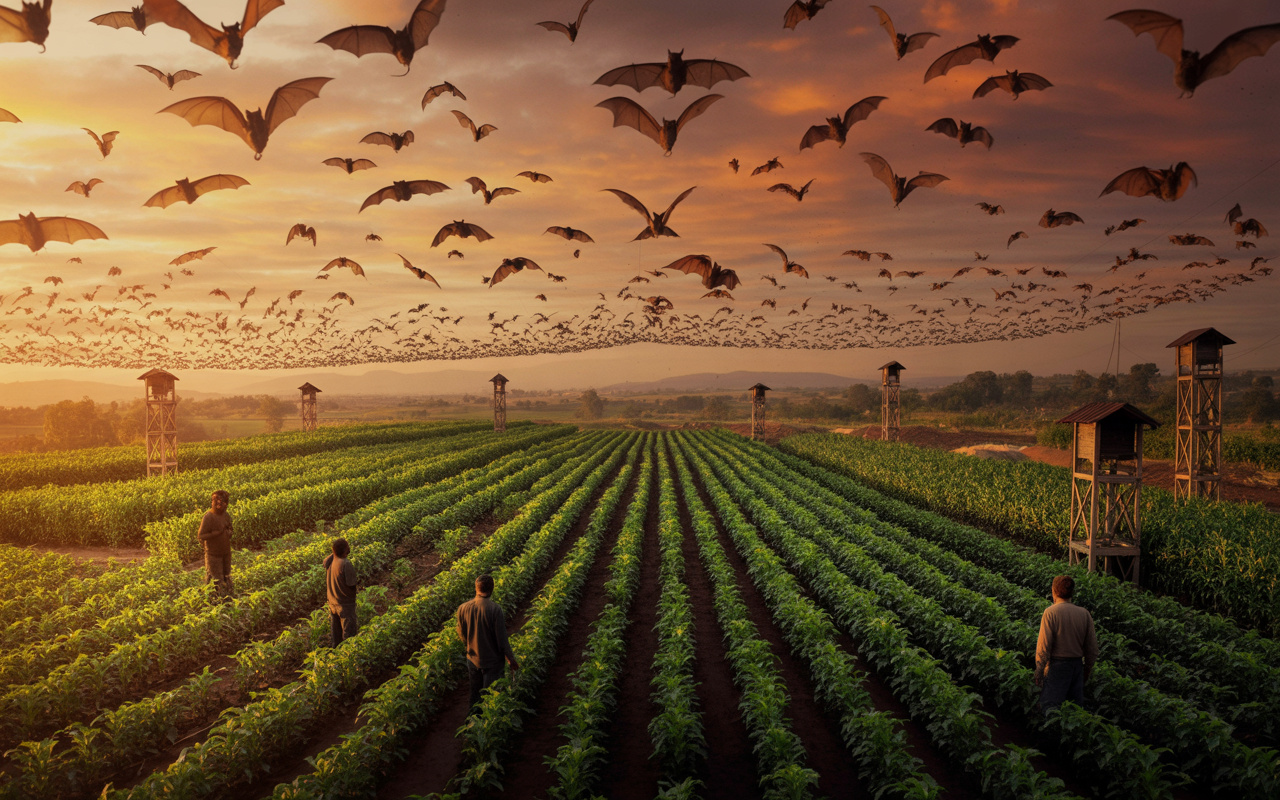
Farmers Around The World, Mainly From Vietnam, Have Started Using Bats As Biological Control Against Agricultural Pests, Reducing Pesticides, Saving Millions, And Beginning To Restore Ecological Balance In Crops.
For decades, the fight against agricultural pests in Vietnam followed the classic script of intensive agriculture: increasing application of insecticides, frequent spraying, and ever-rising costs to contain insects that adapted rapidly to chemicals. In rice, tropical fruit, and vegetable-producing regions, losses compromised a significant part of the annual harvest. It was in this scenario that an unlikely — and even dangerous to many — strategy began to gain traction: attracting and protecting insectivorous bats as natural allies in the fields.
The idea seemed simple, but culturally explosive. Bats were associated with disease, fear, and superstition. Nonetheless, local researchers, environmental NGOs, and groups of farmers decided to test an approach based on basic ecology: where there is a large abundance of insects, natural predators tend to control populations continuously, for free, and without chemical residues.
The Problem That Pesticides Could No Longer Solve
Vietnam is among the countries that depend the most on intensive agriculture in Southeast Asia. Millions of small producers rely on relatively small areas, making any loss of productivity a direct risk to family income.
-
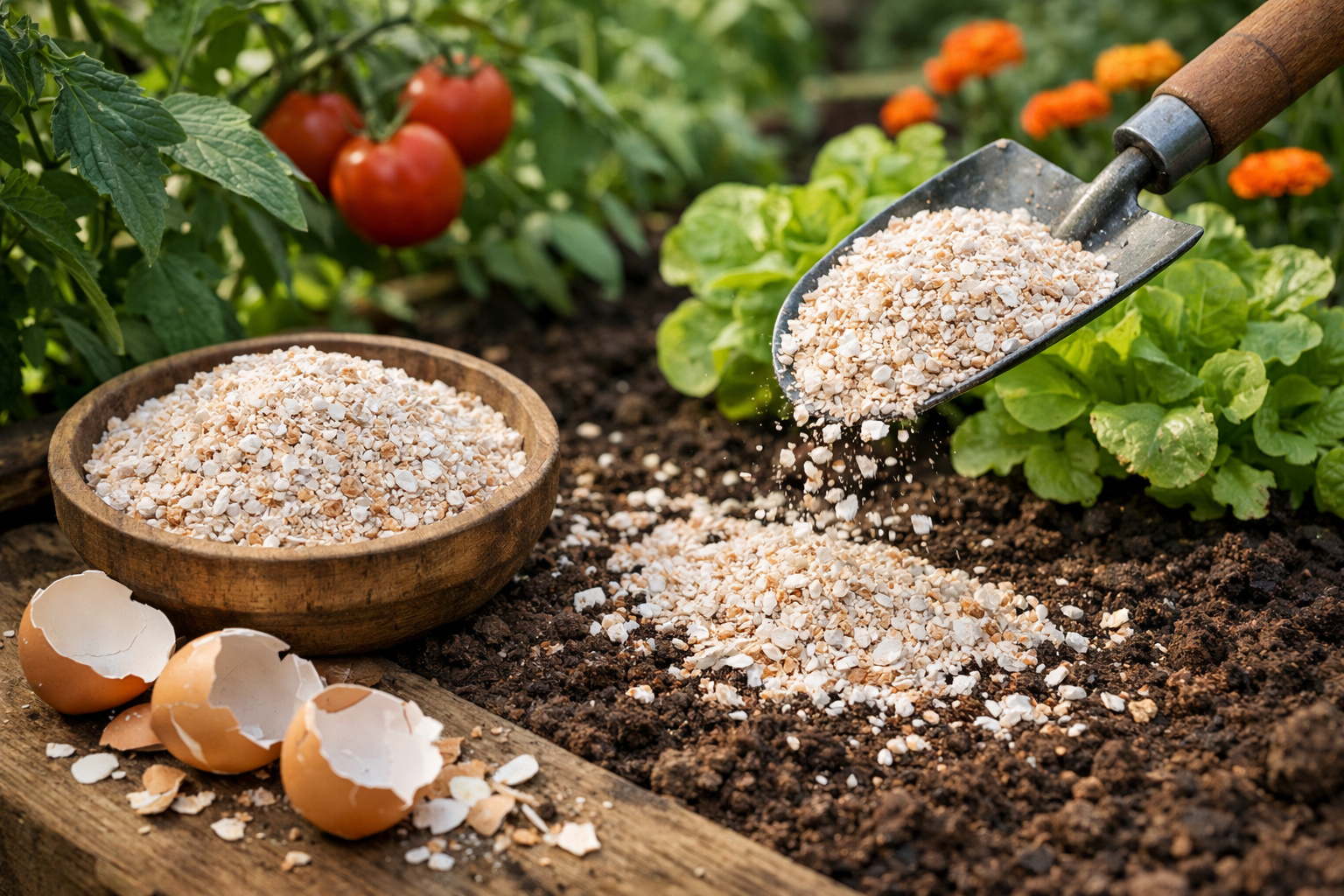
The eggshell that almost everyone throws away is made up of about 95% calcium carbonate and can help enrich the soil when crushed, slowly releasing nutrients and being reused in home gardens and vegetable patches.
-
This farm in the United States does not use sunlight, does not use soil, and produces 500 times more food per square meter than traditional agriculture: the secret lies in 42,000 LEDs, hydroponics, and a system that recycles even the heat from the lamps.

-
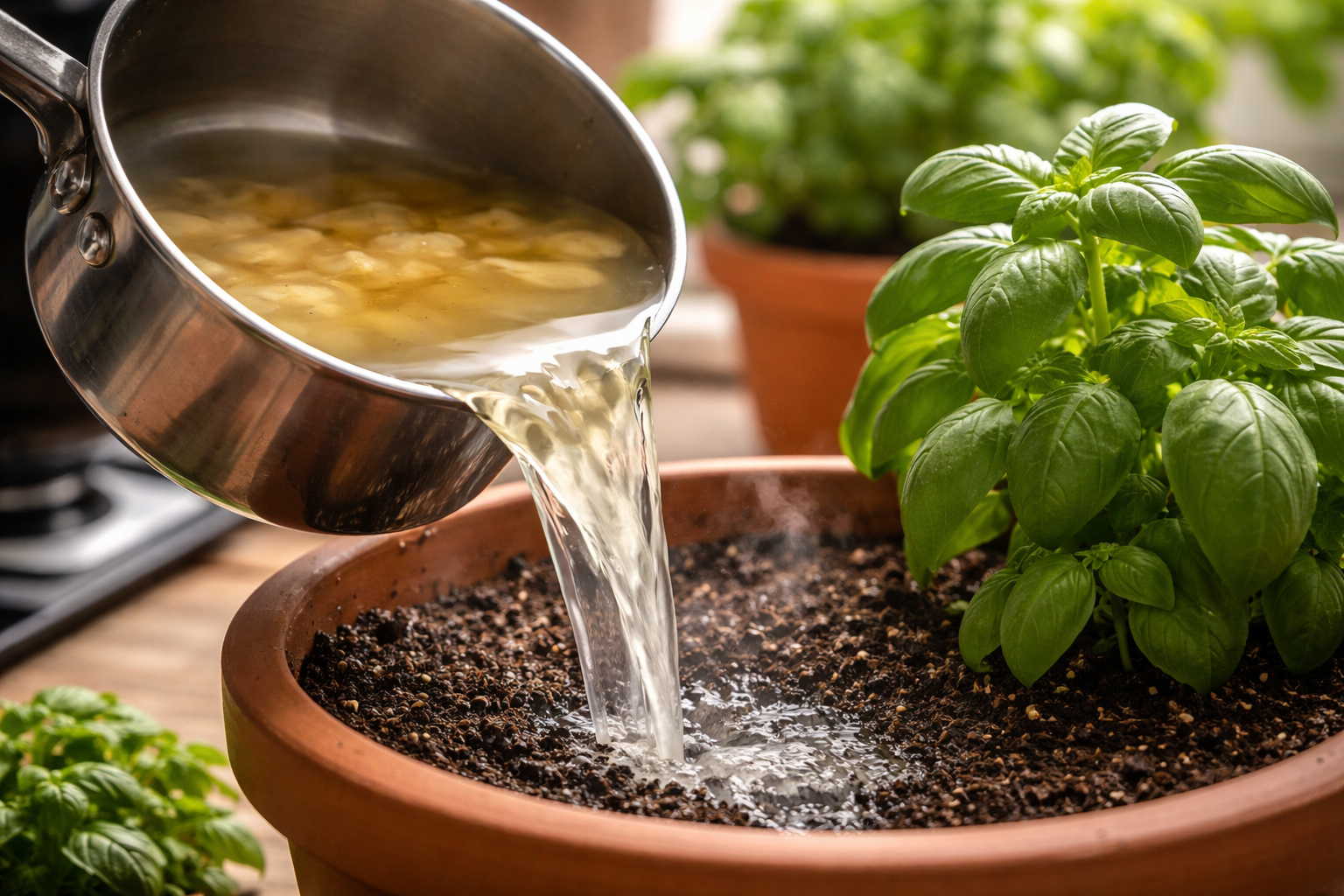
The water that almost everyone throws away after cooking potatoes carries nutrients released during the preparation and can be reused to help in the development of plants when used correctly at the base of gardens and pots, at no additional cost and without changing the routine.
-
The sea water temperature rose from 28 to 34 degrees in Santa Catarina and killed up to 90% of the oysters: producers who planted over 1 million seeds lost practically everything and say that if it happens again, production is doomed to end.


Throughout the 2000s and 2010s, pests such as moths, beetles, stink bugs, and sucking insects began to show increasing resistance to traditional pesticides.

The result was a vicious cycle: more applications, higher costs, increased environmental impact, and reduced natural enemies that once helped maintain balance. In some regions, beneficial insects practically disappeared, leaving the fields even more vulnerable to explosive pest outbreaks.
Furthermore, the intensive use of chemicals brought additional consequences, such as soil contamination, watercourses, and health risks to the farmers themselves. It became clear that the model needed a functional alternative, not just more inputs.
Why Bats Entered The Farmers’ Radar
Vietnam is home to dozens of species of insectivorous bats. A single individual can consume thousands of insects in a single night, including species directly responsible for damage to crops.
Regional studies showed that colonies close to agricultural areas significantly reduced pest pressure, especially during critical periods of crop cycles.
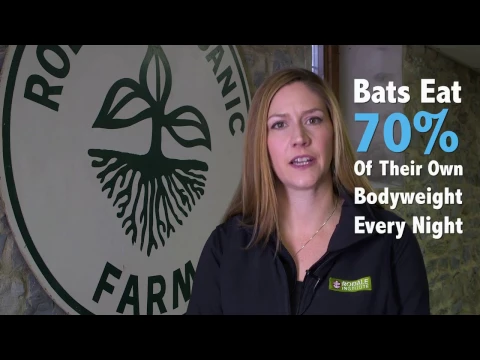
The advantage of bats over other natural predators lies in scale. They fly long distances, hunt throughout the night, and catch insects that escape conventional methods, such as traps or daytime sprays.
Additionally, they do not require artificial feeding or continuous maintenance, as long as they find suitable shelter.
This is how pilot projects focused on the installation of bat roost boxes in agricultural areas, especially near rice paddies, orchards, and monoculture zones, emerged.
Fear, Social Resistance, And Initial Criticisms
The deliberate introduction of bats into productive environments did not occur without controversy. Part of the rural population feared health risks, associating bats with viruses and diseases transmitted to humans. There was also resistance from producers accustomed to quick chemical solutions, who viewed the method as slow, uncertain, or “too experimental.”
In some cases, the bat roost boxes were destroyed out of fear or misinformation. Educational campaigns had to explain that the species used were insectivorous, not bloodsucking, and that the health risk was minimal when there was no direct contact.
Pressure increased during the Covid-19 pandemic, when bats began to be mentioned in global debates about zoonoses. Even so, the projects continued on a controlled scale, with rigorous scientific monitoring.
Practical Results Are Starting To Appear In The Field
After a few years of implementation, results began to catch the attention of even the most skeptical. In areas where bat colonies established, farmers reported a noticeable reduction in the presence of pest insects, especially during the night and early morning when many damages used to occur.
Local surveys indicated a significant drop in the use of insecticides, with some communities reducing applications by over 30% over a harvest. This reduction translated into direct savings, lower chemical exposure, and gradual recovery of other beneficial organisms, such as birds and pollinating insects.
Another significant effect was the stability of control. Unlike pesticides, which require constant reapplication, bats maintain continuous pressure on insect populations, making sudden pest outbreaks more difficult.
Economic And Environmental Impact Beyond Agriculture
The use of bats as biological control began to generate chain effects. Fewer chemicals meant less contamination of water and soil, which favored the recovery of local ecosystems. In irrigated regions, water quality improved, reducing indirect treatment costs and mitigating conflicts between agriculture and neighboring communities.
From an economic perspective, the strategy demonstrated that nature-based solutions can be competitive, especially for small producers. The installation of the roost boxes has low cost and long lifespan, becoming an accessible investment even for family farmers.
Moreover, the model began to be observed by other countries in the Southeast Asia facing similar problems, such as Thailand and Cambodia, where resistant pests also pressure agricultural production.
Limits, Care, And What Cannot Be Romanticized
Despite the positive results, experts warn that the use of bats is neither a magical nor universal solution. Success depends on factors such as habitat diversity, food availability, absence of secondary poisoning, and respect for local species.
Excessive use of pesticides can still indirectly kill bats, compromising the system. Furthermore, the strategy works best as part of an integrated pest management approach, combined with crop rotation, preservation of natural areas, and gradual reduction of chemicals.
There is also health care. Although the risk is low, successful projects include clear guidance to avoid direct contact with the animals and to maintain distance from the colonies.
What This Experience Reveals About The Future Of Agriculture
The case of farmers in Vietnam shows that solutions considered unlikely can become effective tools when based on science and local context. Instead of combating nature, the strategy began to work with it, transforming a historically feared animal into a silent ally of food production.
More than an ecological curiosity, the use of bats exposes the limits of the traditional chemical model and points to a future where productivity, economy, and environmental balance do not have to be opposites. For regions pressured by rising costs, climate change, and pest resistance, looking to natural predators could cease to be an exception and become a central part of agricultural strategy.
In Vietnam, what began as a risky bet is now consolidating as an example that, in certain cases, the solution does not come from a new product, but from the recovery of natural relationships that have always been there — just ignored.









Seja o primeiro a reagir!