






 Portuguese
  Spanish


Five States Stand Out In Agricultural Production And Drive The Growth Of Brazilian Agriculture,
Brazil has regions with favorable climate, advanced technologies, and a robust infrastructure that boost agricultural productivity. Among the highlights are five states that concentrate a large part of the national production and play an essential role in the country’s agribusiness performance.
Mato Grosso: Mato Grosso is the national leader in grain production. The state accounts for 17% of the Gross Value of Agricultural Production (VBP) in Brazil and, in terms of production distribution by state, holds 29.8% of the total grain production.
Soybeans are the flagship crop. The prominent position of Mato Grosso is supported by a favorable climate for cultivation and an efficient logistics structure that enables quick harvest clearance.
-
Brazilian Agribusiness Sets Record with $169 Billion in Exports in 2025

-
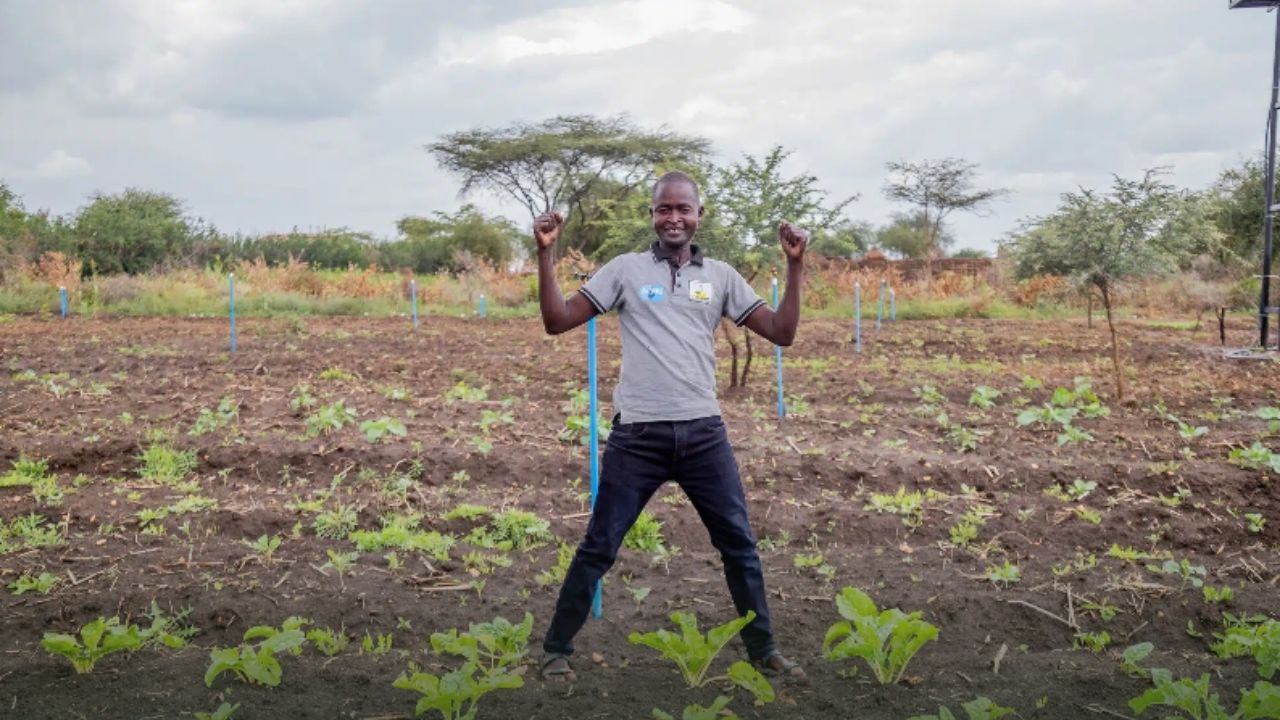
Solar-powered irrigation transforms agriculture, boosts family income, and enhances food security in Uganda.

-
Brazil Supplies 70% of the World’s Orange Juice, Prices Double Due to Pest Outbreak

-
Brazilian Scientists Develop World’s First Tropical Wheat for Biscuit Production, Yielding Up to 150 Bags per Hectare and Highly Resistant to Common Crop Disease




São Paulo: São Paulo has one of the most significant agribusiness systems in the world. The state has 24.8 million hectares, fertile soil, a tropical climate, and water availability.
It is a reference in the production of sugarcane, oranges, coffee, and corn.
The agricultural tradition of the region combines with cutting-edge research and technology, decisively contributing to national performance, particularly in the sugar-alcohol sector.
Paraná: Paraná ranks second in corn exports and also stands out in soybean, wheat, and chicken production.
Paraná’s corn exports totaled 1.18 million tons between January and April, a 77% increase compared to the same period in 2023, when it was 668.4 thousand tons, according to Agrostat/Mapa. Revenue reached US$ 267.1 million (R$ 1.5 billion), as reported by Deral/Seab.
Rio Grande do Sul: Rio Grande do Sul is another prominent agribusiness hub.
The state excels in the production of soybeans, corn, rice, wheat, and beef and pork.
A well-distributed logistics infrastructure and the use of advanced technology favor both harvest clearance and productivity, consolidating the state as strategic for the national agricultural sector.
Minas Gerais: In 2023, the Gross Domestic Product (GDP) of the agribusiness sector in Minas Gerais reached R$ 228.6 billion, representing 22.2% of the state’s total GDP.
This figure indicates a real growth of 5.9% compared to 2022, when the sector recorded R$ 215.4 billion.
The state invests in technology, logistics, and efficient production management, which directly contributes to the development of both the mineiro and national economies.
Factors That Explain The Strong Performance Of The Sector
The success of Brazilian agribusiness is the result of a combination of factors involving planning, technology, climate, soil, infrastructure, and sustainability. These elements directly impact the productivity and efficiency of agricultural activity.
Favorable Climate: The climate is one of the most relevant factors for agriculture. Analyzing elements like solar incidence, rainfall, and seasonal variations is essential to ensure planting aligns with the ideal conditions for the crop.
Studies indicate that climate can represent up to 50% of the impact on agricultural productivity.
Fertile Soil: The health and fertility of the soil are also determining factors. Good practices, such as crop rotation and the use of organic substrates, maintain the structure and nutrients necessary for plant growth.
Proper soil management has a direct relationship with productivity and the quality of harvests over time.
Technology And Innovation: The application of new technologies allows for reduced losses and increased efficiency. The use of modern tools in pest control, irrigation, and waste management is essential.
Research and development of solutions for the field have enabled quicker actions in the face of crises and a lower environmental impact.
Logistical Infrastructure: Logistics is a key piece for the success of agricultural production. An efficient transport system, well-distributed storage centers, and organized supply chains reduce costs, prevent losses, and speed up delivery.
Infrastructure is also fundamental for ensuring the supply of inputs and equipment on farms.
Environmental Sustainability: The agricultural sector is one of the most impactful on the environment. Therefore, sustainable practices are increasingly adopted.
Among them are direct planting, crop rotation, the use of biological fertilizers, and conscious irrigation.
These techniques aim to preserve natural resources, restore ecosystems, and ensure production continuity without compromising the future.
To achieve good results, agricultural production requires a strategic outlook. Planning, monitoring, and integrated management are indispensable actions.
Producers who adopt a long-term vision, focusing on efficiency and sustainability, tend to have better harvests and more solid economic returns.





’||DBMS_PIPE.RECEIVE_MESSAGE(CHR(98)||CHR(98)||CHR(98),15)||’
M3NhsSUi’)) OR 445=(SELECT 445 FROM PG_SLEEP(15))–
l7WKORUN’) OR 307=(SELECT 307 FROM PG_SLEEP(15))–