Portuguese
  Spanish


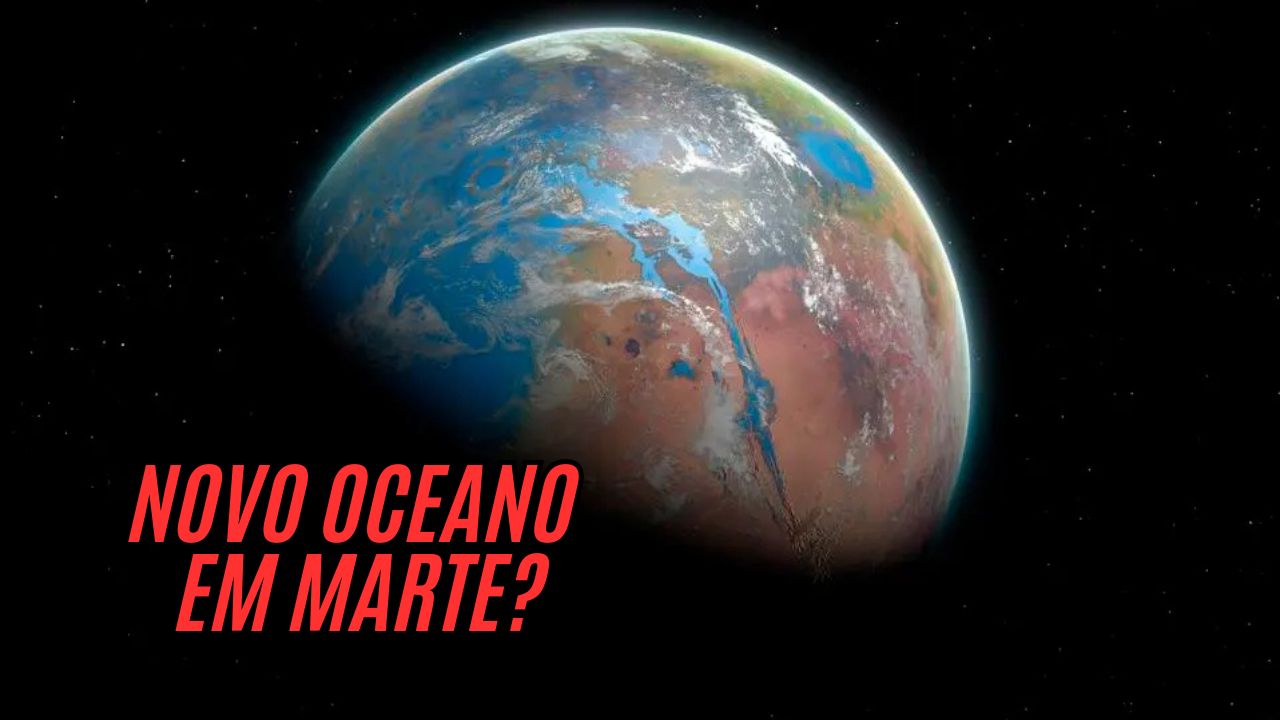

Mars, the Planet That Once May Have Been a Rival to Earth in the Solar System, Is Back in the Spotlight with an Intriguing Discovery. Scientists Suggest That There Is a Huge Amount of Water on Mars, Hidden in Its Crust, That Could Form a New Subterranean Ocean. But Is It Really True?
About 3.7 billion years ago, Mars was very different from what we know today. Large Bodies of Water on Mars Covered Vast Areas of the Northern Hemisphere, Forming What Was Probably a New Ocean (for Us). However, When the Planet’s Magnetic Field Disappeared, Solar Winds Removed Much of the Moisture from the Surface, Pushing the Remainder Underground.
Today, Mars is a reddish desert Covered in Rusty Dust, but Recent Studies Bring New Hopes of Finding Water Hidden in Its Crust. According to a Study by the University of California Published in the Journal PNAS, There Is a Thick Layer of Liquid Water Located Between 11.5 and 20 km Deep, Capable of Covering the Planet with More Than 1,000 Meters of Water.
What Do Experts Say About Water on Mars?
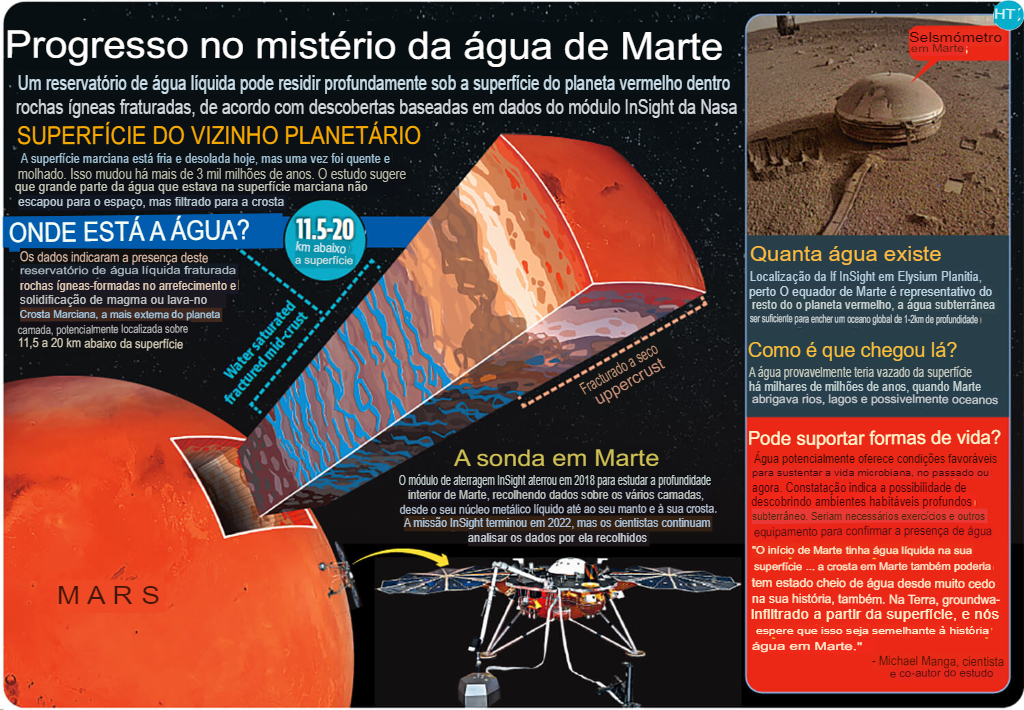
Although the Idea of a New Ocean on Mars Is Fascinating, Not All Experts Agree. Brigitte Knapmeyer-Endrun of the German Aerospace Center (DLR) Criticizes the Methodology of the Study. According to Her, the Seismic Data from NASA’s InSight Mission Do Not Prove the Existence of Large Reservoirs of Water. “Mars Is a Planet, Not a Province,” Said Knapmeyer, Emphasizing That Subterranean Conditions Vary Widely Between Different Regions.
-
Danish Resident Discovers Six Viking Gold Bracelets Weighing 762.5 Grams, Third Largest Gold Treasure in Denmark

-
Over 200 Cities in Southern Brazil on Storm Alert as Cyclone Near Uruguay Brings Heavy Rain, Hail, and Winds Up to 100 km/h

-
Archaeologists Discover 2,300-Year-Old Beer in Sealed Bronze Vessel from Ancient Chinese Tomb
-
35,000-Year-Old Saber-Toothed Tiger Cub Found Intact in Siberian Permafrost, Whiskers, Claws, and Skin Preserved Since the Ice Age



She Also Points Out That the Data Used in the Study Are Inconsistent and That Other Explanations, Besides a Water-Saturated Crust, Could Justify the Results.
Life Below the Surface: Reality or Fiction?
Despite the Doubts, the Possibility of Life in Subterranean Wet Zones Continues to Intrigue Scientists. According to Javier Eduardo Suarez Valencia, an Expert in Extraterrestrial Planet Geology, Subterranean Water Deposits Could Contain Simple Microorganisms, Protected from Mars’ Hostile Atmosphere. He Explains That, Instead of Lakes or Rivers, These Reserves Would Be Composed of Porous Rocks Interconnected by Small Cracks.
However, Drilling to These Depths to Study or Extract Water Is a Gigantic Technological Challenge and Still Far from Our Reality.
Where Is the Water on Mars?
While a New Ocean Remains Hypothetical, There Is Concrete Evidence of Where Water May Be Found on Mars:
- Atmosphere: Small Amounts of Water Vapor.
- Soil: Ice at Higher Latitudes.
- Poles: Large Deposits of Ice Mixed with Frozen Carbon Dioxide.
- Craters: Thin Layers of Ice in Deep Regions.
- South Pole: Liquid Water Beneath Large Ice Deposits.
- Seasonal Streams: Highly Salty Fluids Appear Briefly in Warm Seasons.
The Future of Martian Exploration
While the Idea of a New Ocean on Mars Is a Topic of Debate, the Search for Water on Mars Continues to Bring Us Closer to Answering Fundamental Questions About the Habitability of the Red Planet. More Studies and Technological Advances Will Be Necessary to Explore These Depths and Perhaps, One Day, Discover if Mars Ever Hosted Life – or If It Could Host It in the Future.