Portuguese
  Spanish


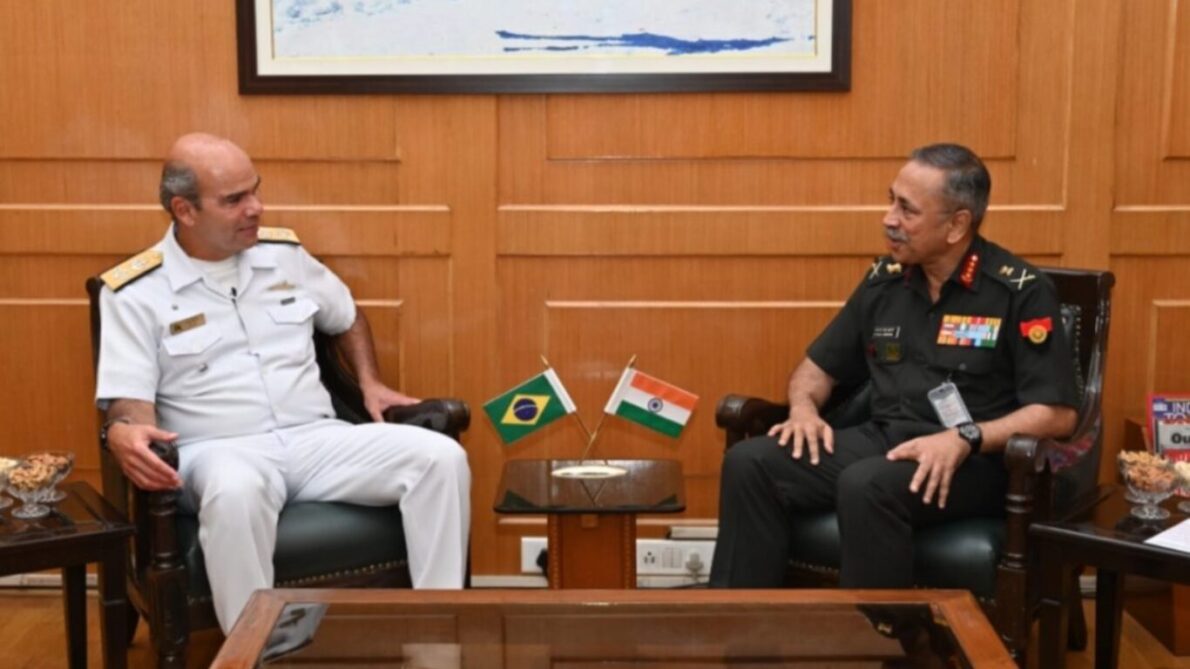

In A Sea Of Opportunities And A Strategic Alliance, Brazil And India Join Forces In Technology And Naval Defense With Nuclear Submarines
The Brazil is looking towards a strategic alliance with India to strengthen its naval power, especially in the field of nuclear submarines. During his first visit to India, Admiral Marcos Sampaio Olsen, Commander of the Brazilian Navy, expressed a strong desire to collaborate with the Indian Navy in crucial areas such as nuclear technology and specialized training. Brazil, with its rich uranium reserves and advanced enrichment technology, is ready to join forces with India, which already possesses nuclear-powered submarines, according to defesaaéreaenaval.
Nuclear Collaboration: A Strategic Leap For Brazil
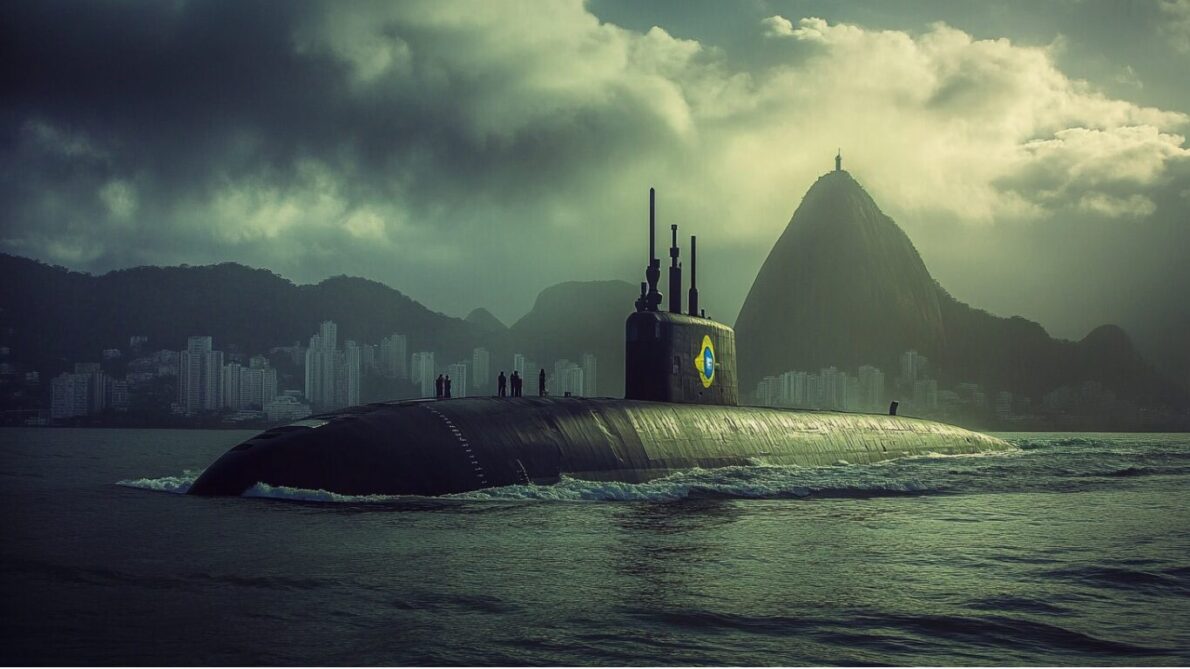
Brazil already possesses vast uranium reserves and has mastered enrichment technology, but it does not yet operate nuclear submarines. The partnership with India, which already has this technology, could be the key to bridging this gap. During his visit, Admiral Olsen emphasized Brazil’s interest in working with India, sharing technical knowledge and enhancing training for its teams. “We have sufficient uranium deposits, we have enrichment technology, and we are at a very advanced stage of developing small nuclear reactors. So, we are interested in working with India in this area,” stated Admiral Olsen.
This collaboration would not only strengthen the Brazilian Navy but could also transform the country into a new player in the global naval landscape, placing it alongside major maritime powers. The alignment with India, a BRICS member, would also open doors to new opportunities for cooperation, both in military and industrial fields.
-
Angra 3 becomes Brazil’s R$ 24 billion dilemma: finishing the 66% complete plant costs almost the same as abandoning it, right in the race for energy in the AI era.

-
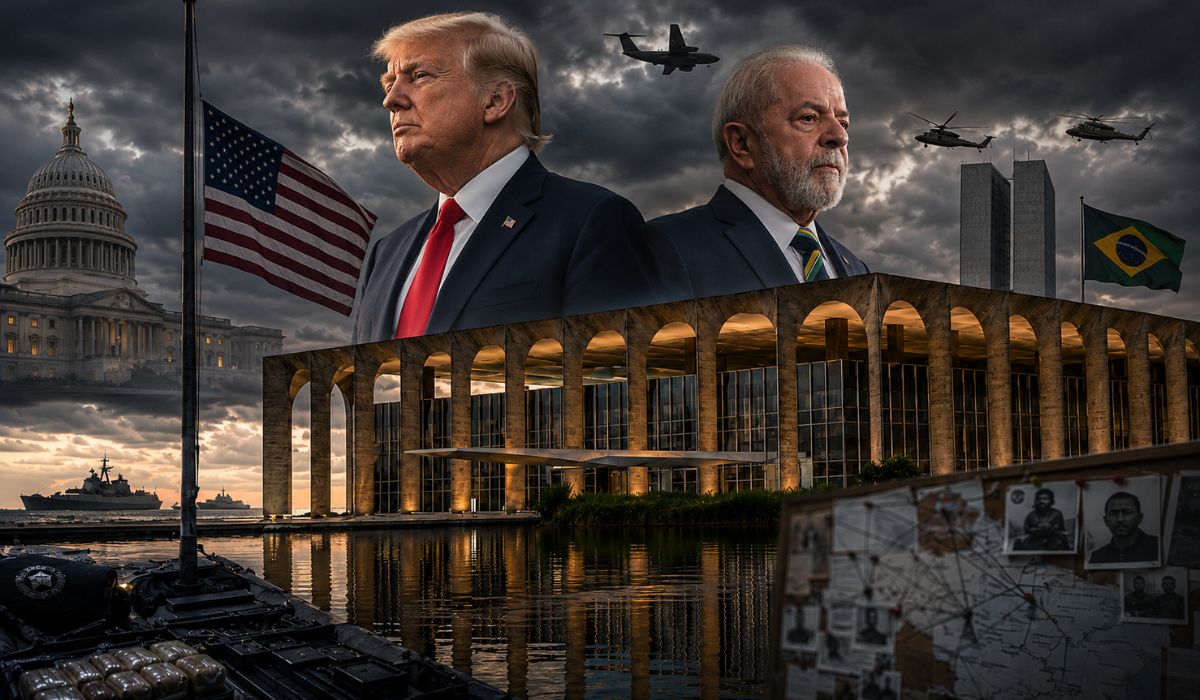
U.S. Military Intervention Risk in Brazil Raises Alarm, Highlights National Sovereignty Amid Tensions Over Washington’s Terrorist Designation of PCC and Comando Vermelho

-
Brazilian Air Force’s Sole KC-30 Aircraft Completes Strategic Mission to Spain for 105mm Anti-Tank Ammunition for Leopard 1A5 Tanks

-
Brazilian Air Force Seeks to Acquire More Gripen Fighter Jets



Expansion Of Naval Cooperation: Beyond Submarines
The partnership between the navies of Brazil and India goes beyond nuclear submarines. Admiral Olsen also discussed other areas of collaboration, such as maritime intelligence gathering and sharing, cybersecurity, anti-piracy, search and rescue, and humanitarian assistance in disasters. These initiatives could strengthen regional security and increase the navies’ responsiveness in emergency situations.
The Admiral’s visit to theMazagon shipyard in Mumbai was particularly significant. The shipyard is known for building six Scorpene submarines, a model that Brazil also uses. This visit opens the possibility for future collaborations, such as the modernization or overhaul of Brazilian submarines at the same shipyard, leveraging Indian experience and infrastructure.
Challenges And Opportunities: The Search For A Lasting Partnership
Building a solid partnership between the navies of Brazil and India will not be an easy task. There are significant challenges, such as integrating weapon systems, ensuring a stable supply chain, and developing stealth and network-centric technologies. However, Admiral Olsen is determined to face these challenges and sees India as a long-term strategic partner.
In addition to submarines, Brazil is also interested in acquiring weapons manufactured in India, such as the BrahMos cruise missile and light helicopters, which would further enhance cooperation between the two countries. Admiral Olsen’s visit marks a crucial moment for the Brazilian Navy, which is in the full phase of developing both nuclear and conventional submarines, while also looking at a possible helicopter carrier to expand its fleet.
A Future Connected By The Sea
Admiral Olsen’s visit to India reflects Brazil’s growing desire to strengthen its naval relations with countries of the Global South, especially with India. This cooperation can open new horizons for both nations, not only in terms of defense but also in building a more secure and integrated future. As Admiral Olsen highlighted: “The sea will connect us,” and this connection may be the beginning of a new era of naval cooperation between Brazil and India.