Portuguese
  Spanish


AI models created for robots reinforce a new phase of Chinese technology, marked by the transition from chatbots to autonomous agents capable of executing complex tasks.
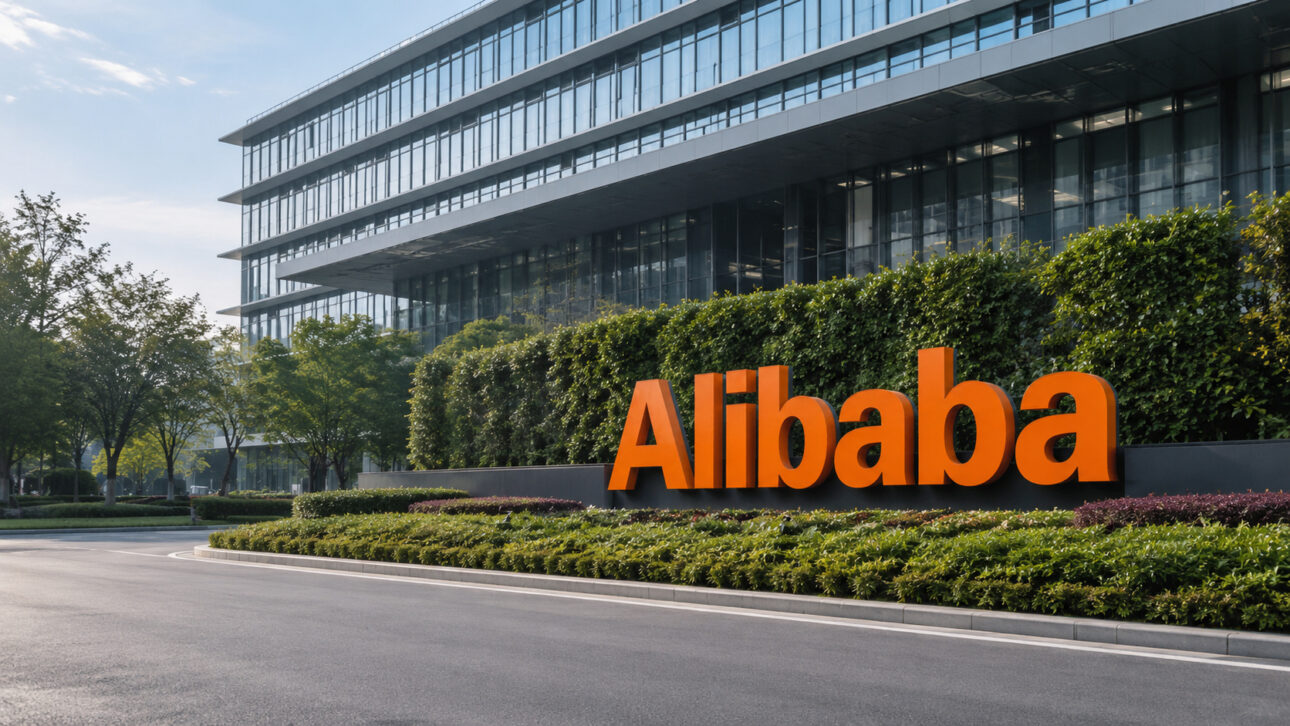
A new technological venture by Alibaba was presented in Beijing on Tuesday, June 16, 2026, drawing attention to the next stage of artificial intelligence in China.
The Chinese giant announced its first artificial intelligence models specifically developed for application in robots, according to information released by Reuters and the company itself.
The launch marks an important shift in the Chinese technology sector, which is beginning to reduce its focus on traditional chatbots and expand the search for more advanced AI agents.
-
Brazilian Innovator Transforms 1962 Mercury Comet with Nissan Leaf Electric Motor, Achieving 125 km Range for Under $6,000

-
China Tests Giant 582-Ton Magnets to Contain Plasma Hotter Than the Sun’s Core, Aiming to Cut Superconductor Costs and Generate First Electricity from “Artificial Sun” by 2030
-
Seventh Grader Builds Nuclear Fusion Machine at Home, Aiming for Guinness World Record

-
Ancient Ritual Circle, Hidden for 5,000 Years, Discovered in Scotland’s Machrie Moor Using Sensors, Revealing a “Phantom Stonehenge”



These systems were designed to execute complex tasks, increase machine autonomy, and make robots more functional in different operations.
According to Alibaba, the strategy follows a broader industry trend seeking applications of greater economic value and higher operational capacity.
Technological investigation reveals new phase of Chinese AI
Alibaba’s announcement comes at a time of reconfiguration in the artificial intelligence market in China.
As reported by Reuters, the presentation of the models took place in Beijing amid a growing competition among the country’s technology companies.
Until recently, much of the AI development was concentrated on chatbots, systems primarily aimed at conversation, automatic responses, and user interaction.
The Chinese industry, however, is now targeting artificial intelligence agents capable of performing practical actions and handling more sophisticated tasks.
According to Alibaba, the new models were created to make machines smarter, more functional, and prepared for complex activities.
Technological impacts of the investment in robots
The entry of Alibaba into this segment reinforces an attempt to capture value in more advanced areas of artificial intelligence.
Furthermore, the initiative shows that the company intends to expand its operations beyond conversational systems.
The new AI for robots models can enhance the machines’ ability to interpret commands, execute operations, and operate with greater autonomy.
The launch also indicates a shift in priority within the Chinese technology sector.
In practice, companies are beginning to see autonomous agents as a more profitable opportunity than traditional chatbots.
This transition can strengthen applications related to robotics, automation, and intelligent execution systems.
Race for autonomous agents gains momentum in China
Despite the advancement of chatbots in recent years, the new stage of Chinese artificial intelligence is moving towards systems capable of acting.
Alibaba enters this race by launching models specifically aimed at robots, instead of focusing its strategy solely on conversation tools.
This movement occurs in an environment of strong competition among technology companies in China.
Consequently, companies in the sector seek to develop solutions that deliver real tasks, not just text responses.
According to Alibaba, the new generation of systems aims to enhance machine intelligence and improve their operational capacity.

Planning to expand the use of AI in machines
Currently, Alibaba integrates its strategy with the advancement of artificial intelligence agents, an area seen as a new growth front.
The company also follows a sector trend of transforming AI models into more practical tools for businesses, robots, and automated processes.
The announcement in Beijing reinforces that artificial intelligence applied to robotics should gain more space in Chinese technological planning.
Specific large-scale applications have not yet been detailed.
Even so, the strategic direction was evident.
Alibaba seeks to position its models in a market where autonomy, task execution, and robotics take on a central role.
The change in a global context
The launch of Alibaba’s models occurs at a time when technology companies are competing for new ways to turn AI into productivity.
For example, chatbots have popularized generative artificial intelligence and brought the public closer to these systems.
This phase also paved the way for a greater demand for tools capable of acting, operating, and executing commands.
In this context, autonomous agents emerge as a natural evolution of conversational AI.
They do not just converse.
They also interpret instructions, support machines, and engage in more complex tasks.
Therefore, Alibaba’s initiative reinforces a market trend: the transition from dialogue-based AI to more operational artificial intelligence.
What can this new phase represent?
Technology sector specialists assess that AI agents can change the way companies use robots and intelligent systems.
The ability to transform artificial intelligence models into applied tools depends, however, on technical development, integration with machines, and commercial expansion.
Meanwhile, the competition among Chinese companies shows that the next phase of AI should not be limited to chatbots.
By launching specific models for robots, Alibaba signals that it intends to compete in a more autonomous, more functional, and more task-oriented market.
Should artificial intelligence prioritize robots and autonomous agents, or should chatbots continue to be at the center of innovation? Share your opinion!